AGN Chair demands urgent climate adaptation and food systems integration on road to COP32
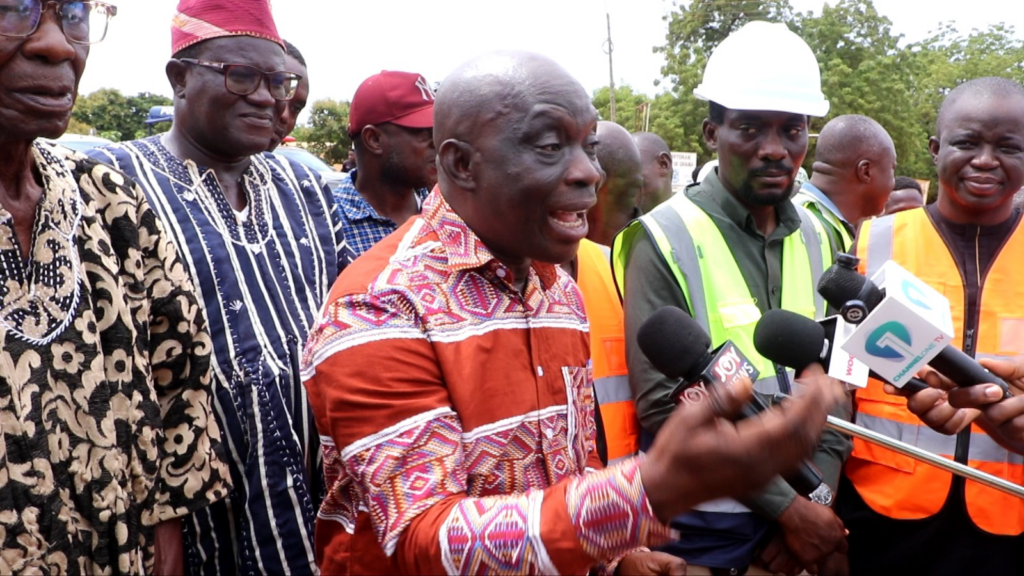
As Africa prepares for two critical years of global climate diplomacy, the Chair of the African Group of Negotiators on Climate Change (AGN), Nana Dr. Antwi-Boasiako Amoah, has issued a powerful call to align international climate negotiations with the daily realities of African communities.
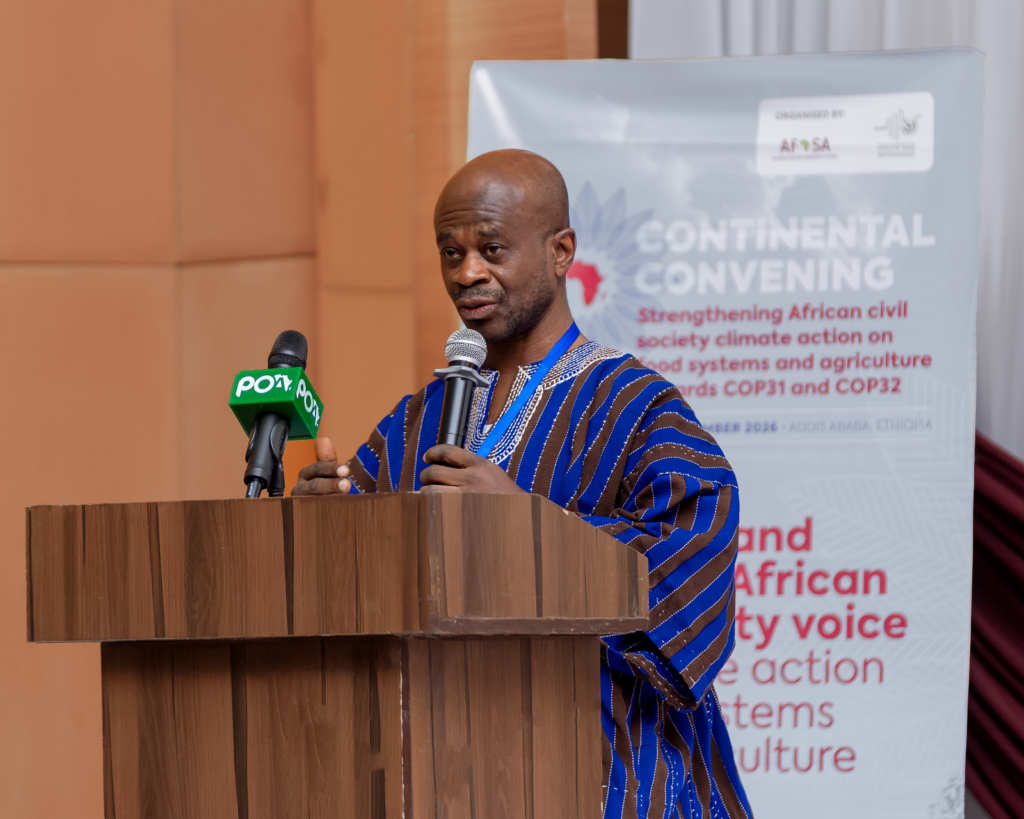
As Africa prepares for crucial climate negotiations leading up to the 32nd United Nations Climate Change Conference (COP32) in Addis Ababa, the chair of the African Group of Negotiators on Climate Change (AGN), Nana Dr. Antwi-Boasiako Amoah, has called for urgent integration of climate adaptation and food systems. Addressing civil society organizations in Addis Ababa, Dr. Amoah urged leaders to reject the notion that feeding the population and protecting the environment are mutually exclusive.
Dr. Amoah stressed that Africa must prioritize both food security and climate action, highlighting the need for productive, resilient and low-emission food systems that protect development and avoid placing undue burdens on small producers. The convening took place ahead of COP31 in Antalya, Türkiye, and the subsequent COP32 in Addis Ababa, where the continent's priorities must be central to the global climate agenda.
The AGN Chair emphasized that a COP conference held in Africa alone will not guarantee positive outcomes for the continent. Instead, COP32 must reflect African priorities, evidence and solutions, and improve lives beyond the conference halls. Dr. Amoah identified four critical gaps in global climate policy: the disconnect between climate ambition and real-world implementation, the disconnect between adaptation needs and funding, the disconnect between promised finance and direct access, and the disconnect between global rules and the daily struggles of frontline communities.
He illustrated these challenges with examples from Ghana, where unpredictable rainfall patterns pose a threat to farmers' ability to plan and invest, and the Sahel and Horn of Africa, where climate shocks have led to resource competition and community tensions among pastoralists. Dr. Amoah stressed that climate shocks can quickly impact urban areas, affecting market women and overall food security.
The AGN Chair also highlighted the massive gap in adaptation funding, estimating that developing nations will need between USD 310 billion and USD 365 billion annually for adaptation by 2035, while only USD 26 billion was available in international public adaptation finance in 2023. Dr. Amoah criticized bureaucratic hurdles that prevent existing funds from reaching local actors, such as smallholders, youth enterprises and women’s cooperatives.
He called for simpler, less costly funding pipelines from global funds to local villages, emphasizing the need for early-warning systems, improved cold storage and accessible climate information for farmers and pastoralists.
Looking ahead to COP31 in Antalya and COP32 in Addis Ababa, Dr. Amoah outlined seven priorities for Africa. These include ensuring adaptation receives equal political attention as emissions mitigation, turning the Global Goal on Adaptation into funded action, securing a meaningful outcome on agriculture through the Sharm el-Sheikh joint work program, delivering climate finance at scale, ensuring a just transition for small producers and local value addition, strengthening action on loss and damage with an easily accessible response fund, and defending fair cooperation with meaningful participation for civil society, women and Indigenous groups.
Written by urgent.news from MyJoyOnline Ghana's reporting — not their text. Machine-written — may contain errors; check the original before relying on it.