Africa should stop treating energy shocks as surprises
The Hormuz crisis is the latest in a series of disruptions that have exposed the continent’s energy vulnerabilities. The time to build resilience is between crises, not during them.
The recent crisis in the Strait of Hormuz has highlighted the vulnerability of African economies to energy shocks. While wealthier nations have managed to mitigate the impact through strategic reserves and political influence, African countries have faced far fewer options. Fuel prices have skyrocketed, supplies have disappeared, and the effects have reverberated throughout their economies.
For instance, diesel prices in Lagos nearly doubled, fishing vessels in Maputo were stranded on the shore, and construction projects in Addis Ababa came to a halt, causing workers to return home.
The Hormuz disruption may soon subside, but African governments should not assume that business as usual will resume. The crisis is a stark reminder that repeated energy shocks pose an expensive and largely unpriced risk for African economies. Policymakers need to reconsider their approach to energy security. Instead of viewing each disruption as an emergency, they should prioritize building systems that are resilient from the start.
This involves improving efficiency, diversifying energy sources, strengthening domestic supply chains, and incorporating volatility into investment decisions.
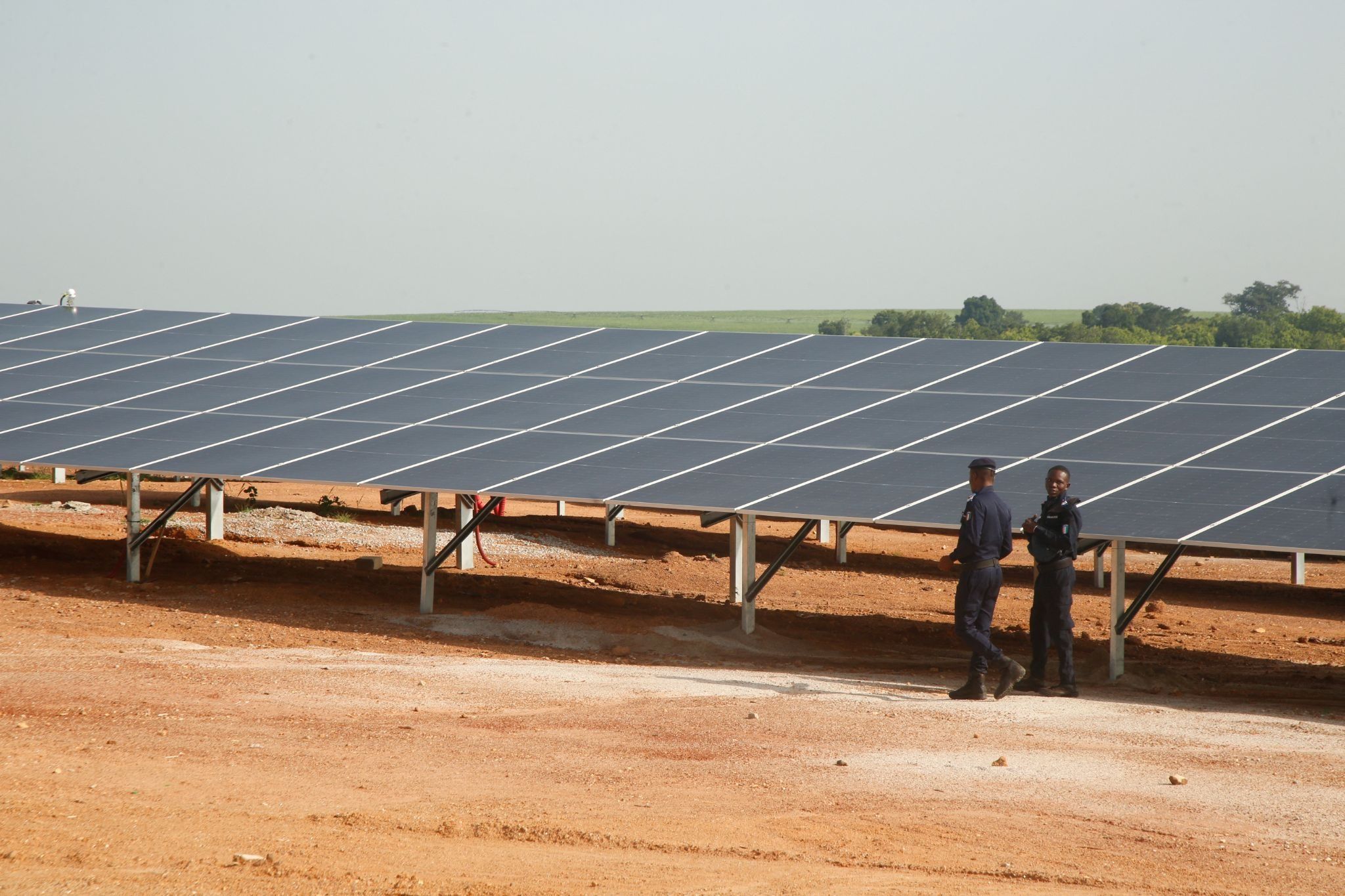
One area for improvement is efficiency. African power grids currently lose between 12% and 20% of generated electricity during transmission and distribution, more than double the rate in OECD countries. By implementing advanced transmission technologies, African nations can reduce these losses and enhance network capacity without needing entirely new infrastructure.
Additionally, aggregating distributed generators into minigrids or virtual power plants can enable them to operate at optimal levels and minimize fuel consumption.
Diversification is another crucial strategy. The greater an economy's reliance on a single fuel or imported energy source, the more susceptible it is to disruptions beyond its control. Kenya provides a good example, with about 90% of its electricity derived from renewables. Its growing fleets of electric motorcycles and buses have proven less vulnerable to fuel-price shocks compared to other African nations.
Similarly, Pakistan's expansion of solar power has helped insulate its electricity supply from imported liquefied natural gas price fluctuations while reducing costs. Nuclear power can also offer a stable source of generation, although its viability depends on specific conditions. However, even countries with abundant oil and gas can face challenges when resources are allocated to foreign markets or when they lack sufficient refining capacity, remaining dependent on imported petroleum products.
Egypt serves as a case in point, turning to Libya for oil after Kuwaiti crude supplies were disrupted, while Nigeria, despite being one of Africa's largest oil producers, struggled to secure enough domestic crude for the Dangote Refinery initially, leading to reliance on international suppliers at a premium.
To truly grasp the significance of energy volatility, governments must treat it as a risk on par with currency fluctuations, interest rates, and credit costs. Quantifying the cost of disruptions—ranging from fuel subsidies and emergency imports to lost output and idle workers—would make the case for resilience more compelling. This argument is not for a specific technology or a retreat from global energy markets but rather for redundancy: more efficient grids, a broader generation mix, increased domestic refining capacity, distributed systems, and investment decisions that account for the potential for sudden supply price increases or unavailability.
The technologies to achieve these goals exist, and the economics of such investments are becoming increasingly favorable. Rather than waiting for the next crisis to pass, African leaders should use this opportunity to rethink what energy security means. By building energy systems that can withstand future shocks—regardless of their origin—African nations can safeguard their economies, lower consumer costs, reduce emissions, bolster industrial capacity, and promote growth.
The Hormuz crisis should serve as a wake-up call to develop energy systems capable of enduring the next disruption, ensuring that African economies are better prepared for whatever challenges lie ahead.
Written by urgent.news from Semafor's reporting — not their text. Machine-written — may contain errors; check the original before relying on it.