A growing movement wants AI out of schools
America's two largest school districts both imposed sweeping AI bans this past week, hitting the brakes on a technology that's rapidly making its way into classrooms around the country. Why it matters: Research on AI's educational value is mixed. Some studies have found personalized AI tutors can improve learning, while other research has linked AI-assisted essay writing to weaker critical…

Two of America's largest school districts have recently banned AI technology in classrooms, reflecting a growing movement questioning the use of artificial intelligence in education. The New York City public school district restricted AI use for approximately 600,000 students in Pre-K through 8th grade, while Los Angeles Unified imposed a districtwide moratorium on AI use on school devices for the 2026-27 school year.
Chicago school board candidates are also pledging to demand a three-year moratorium on generative AI in its schools.
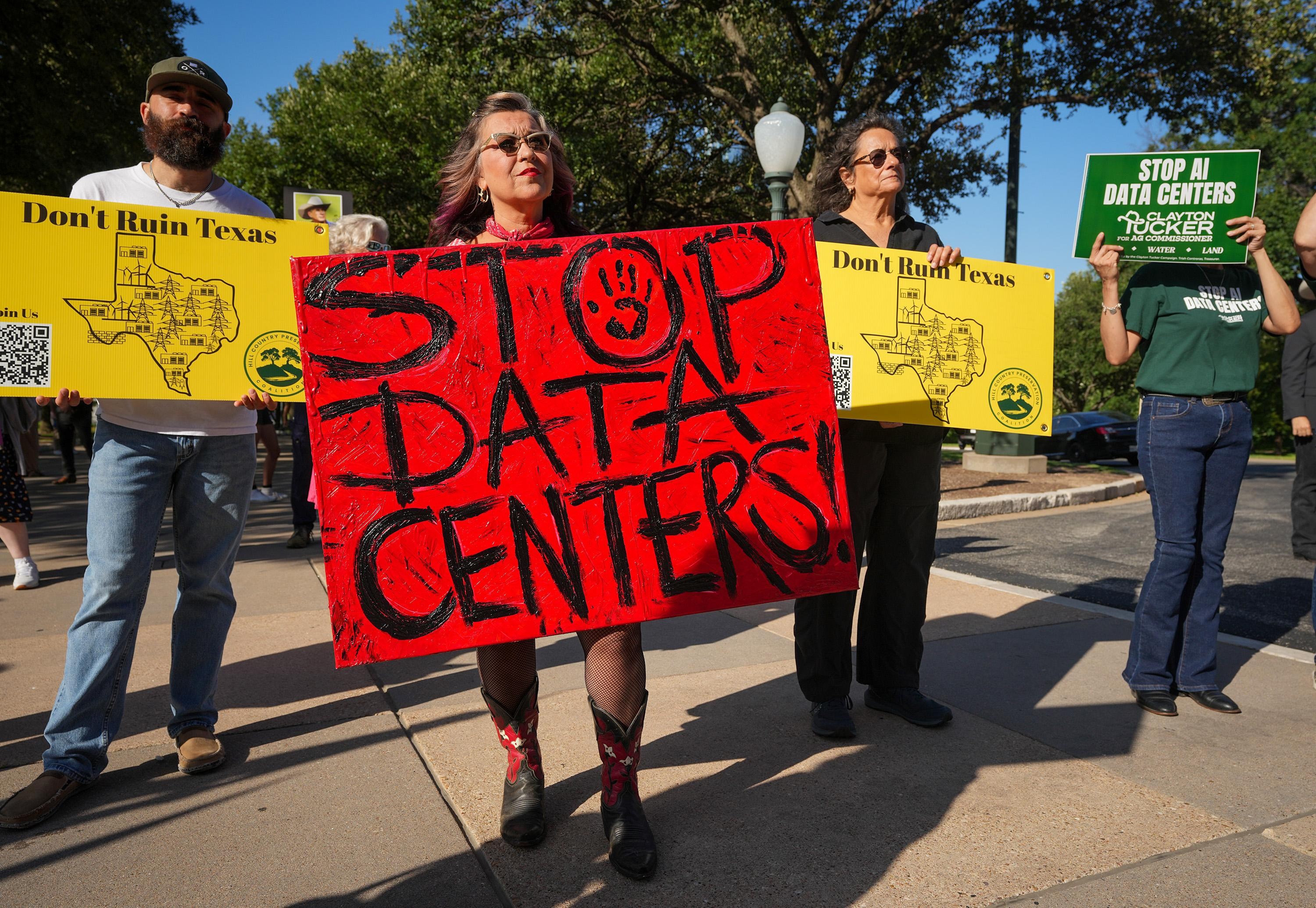
The debate over AI in schools is fueled by mixed research finding both potential benefits and drawbacks. Some studies suggest AI tutors can improve learning, while others link AI-assisted essay writing to weaker critical thinking skills. Parents express concern over the technology being exposed to young children, describing them as "the guinea pig generation" and questioning the appropriateness of AI interactions, even for a five-year-old who still believes in the Tooth Fairy.
However, some educators argue that banning AI completely could remove valuable tools for certain students, such as those with special needs or learning English. Janice Jackson, executive director of the Aspen Institute Education & Society Program and former Chicago Public Schools CEO, believes that while sweeping bans might not be ideal, they shouldn't discard all beneficial uses of technology.
Teachers are concerned that students may misuse AI as a shortcut to avoid work, which could hinder the development of critical thinking skills and make it difficult to assess students' actual knowledge. A recent NPR/Ipsos poll revealed that 55% of respondents believe students primarily use AI as a shortcut, 54% think it makes critical thinking harder to develop, and 57% say it is challenging to determine what students truly know. Over half of the respondents also stated that their schools lack guidance on handling AI.
The ed tech industry faces an uncertain future, with multiple states considering strong legislative guardrails to ensure safe and effective use of AI tools. Brendan Bouffard, associate general counsel at Fairplay, emphasizes the need for real standards to be put in place to protect students and hold tech companies accountable for their products.
Written by urgent.news from Axios's reporting — not their text. Machine-written — may contain errors; check the original before relying on it.