Why China Is the Bogeyman Data Center Enthusiasts Just Can't Quit
Polls show that overwhelming majorities of Americans hate data centers. China makes a perfect scapegoat for tech leaders and their allies—the only problem is a lack of evidence.
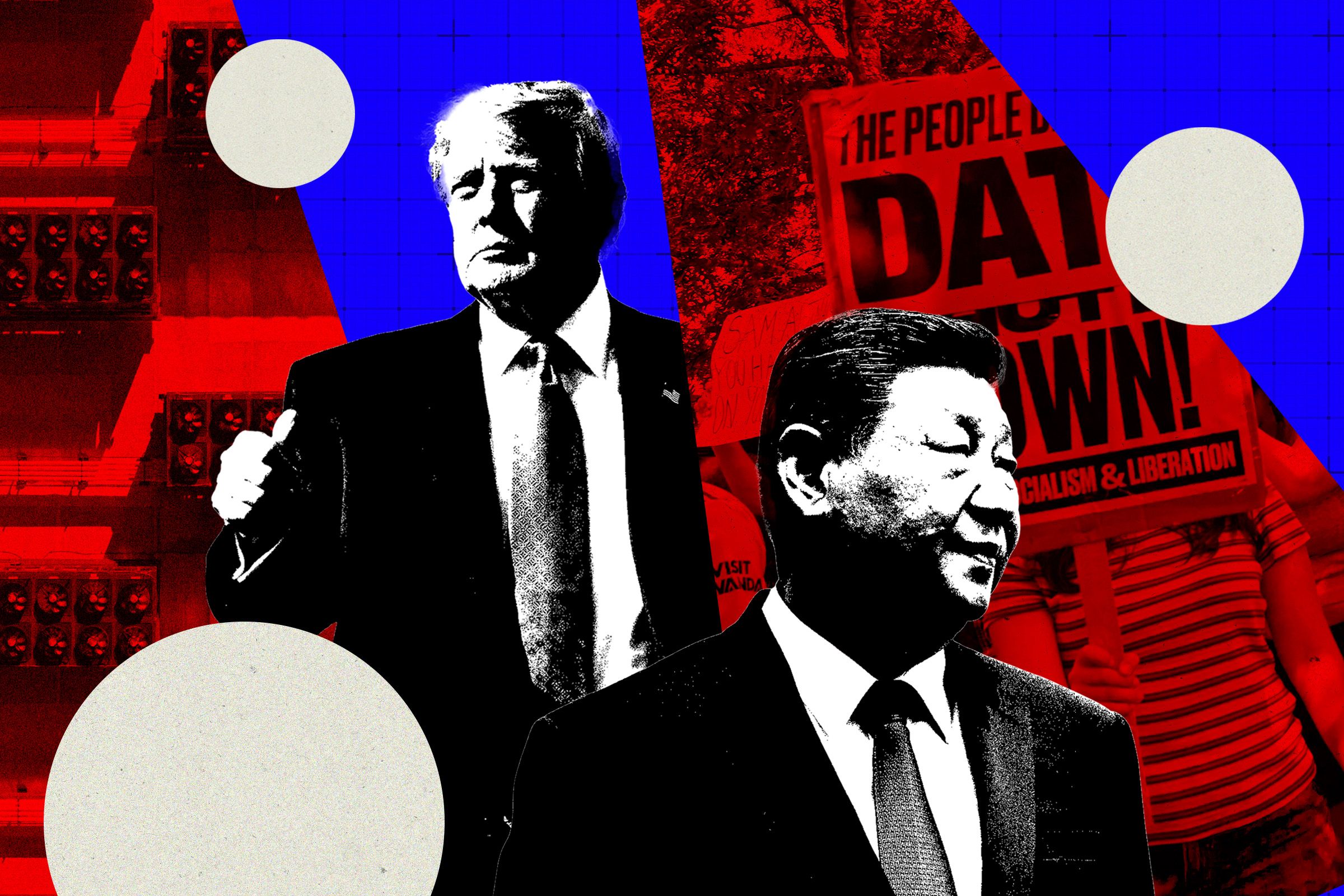
Why China is the Bogeyman that Data Center Enthusiasts Cannot Let Go
Data center boosters have faced a rough summer. Opinion polls show that up to 75 percent of Americans would oppose a data center being built in their area, a significant increase from 42 percent last year. Politicians from both parties who previously supported data center construction, such as Texas Governor Greg Abbott and Pennsylvania Governor Josh Shapiro, are now distancing themselves in an effort to appear tough on infrastructure during the midterms.
However, some Republicans are now joining prominent tech leaders in continuing to blame China for the backlash against data centers.
In late August, X (formerly Twitter) reported that it had identified 200 accounts linked to China that were spreading anti-data center messages on the platform. This caused alarmist headlines and tweets, with media outlets like Axios declaring that China was "secretly fueling America's data center rage." Even President Trump himself tweeted, "China could not be happier with this anti Data Center movement," in a post defending data centers.
The notion that Americans hate data centers because of a foreign influence operation, rather than environmental concerns, political influence, or resistance to AI, is a convenient explanation for those who back the technology and its supporters. This idea has been circulating for several months, with various right-wing policy shops and lawmakers pointing fingers at the Chinese Communist Party for allegedly manufacturing anti-data center narratives among the American public.
However, there is little concrete evidence to support the claim that Americans hate data centers due to Chinese influence. OpenAI, for example, banned a cluster of users it suspected were linked to the Chinese government and "testing narratives against AI infrastructure." Yet, OpenAI itself acknowledged that the accounts were likely just exploiting existing discontent around data centers.
Graphika, a social media analytics firm, found that the majority of opposition to data centers comes from within the United States. Tyler Williams, vice president of intelligence at Graphika, stated that there is still no substantial evidence of significant foreign intervention in the anti-data center movement.
Some right-wing commentators are quick to blame China for sowing discord around data centers, as they are trying to distance themselves from the administration's complaints about Chinese firms stealing American AI advancements. These claims seem more like a way for right-wing factions to deflect blame from their own political shortcomings rather than addressing the actual issues surrounding data center sentiment.
Ultimately, the narrative of China being responsible for the backlash against data centers is a convenient scapegoat for those who wish to avoid pointing the finger at themselves. Americans often find it easier to blame a nebulous other rather than examining their own attitudes and concerns.
Written by urgent.news from Wired's reporting — not their text. Machine-written — may contain errors; check the original before relying on it.