Who cares for the caregivers? — Sharmila Thinagar
SEPTEMBER 6 — At 6.30 every morning, a mother prepares breakfast for her children before getting ready for work. H...
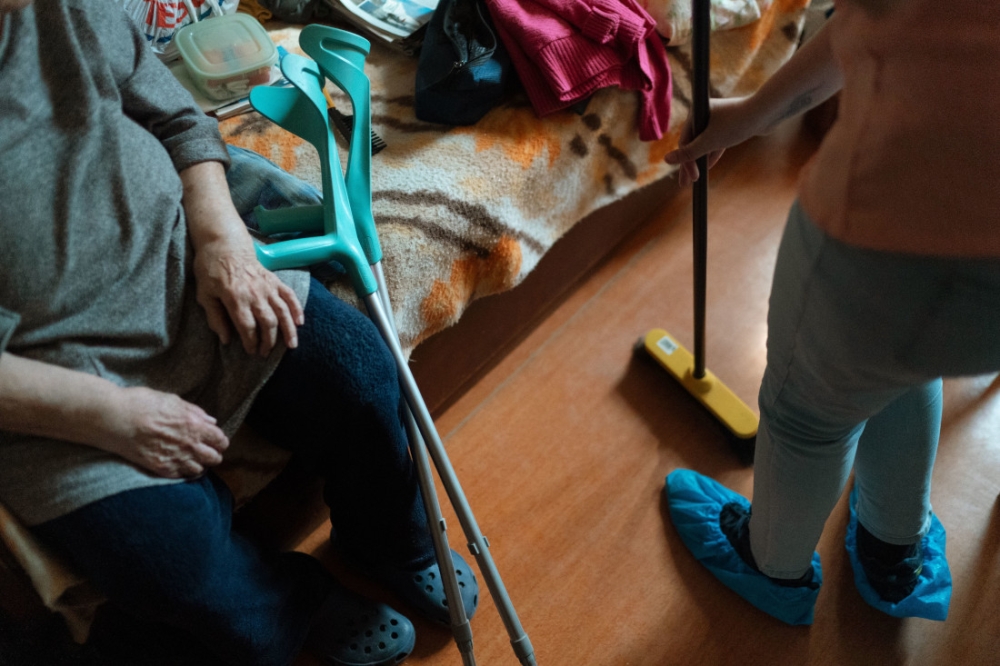
Every morning at 6:30, a mother in Malaysia prepares breakfast for her children before heading to work. Her husband tends to his elderly mother, who has become more dependent on them following a recent illness. This unpaid domestic and care work is usually treated as a family responsibility, not an economic activity. In Malaysia, people spend an average of 5 hours and 12 minutes daily on unpaid domestic and care work, with women spending 6 hours and 7 minutes on average.
Caregiving often means leaving work early, taking unpaid leave, or eventually leaving employment. This decision can impact income, career progression, and financial security. In 2026, 7.11 million Malaysians were outside the labour force, with housework and family responsibilities accounting for 43.3% of the reasons reported. Women make up 69.5% of those outside the labour force, equivalent to around 4.89 million women.
Malaysia is aging, with 8.4% of the population aged 65 and above in 2026, up from 8.0% in 2025. Meanwhile, children aged 0 to 14 accounted for 21.2% of the population, down from 21.6%. The growing elderly population and shrinking working-age adult numbers put pressure on working-age adults to earn. Supporting ageing parents while raising children can be challenging for the "sandwich generation."
The Malaysian government is developing the Malaysia Care Strategic Framework and Action Plan for 2026-2030, aiming to professionalize the care workforce and train 50,000 skilled elderly caregivers by 2030. However, the focus should also be on protecting the economic security of family caregivers, including accessible respite care, appropriate care leave, flexible working arrangements, social protection, and pathways back into employment.
Malaysia's care debate must address not only the formal care economy but also the family members who provide care without recognition or pay. Their contribution is easily overlooked, and Malaysia's care economy needs to ensure that the people providing care are not left behind.
Written by urgent.news from Malay Mail's reporting — not their text. Machine-written — may contain errors; check the original before relying on it.