What the Pentagon’s Sweeping Polygraph Hunt Has Revealed
The tests were meant to find a leaker—but they also show how far the Defense Department is willing to go to stop unauthorized disclosures.
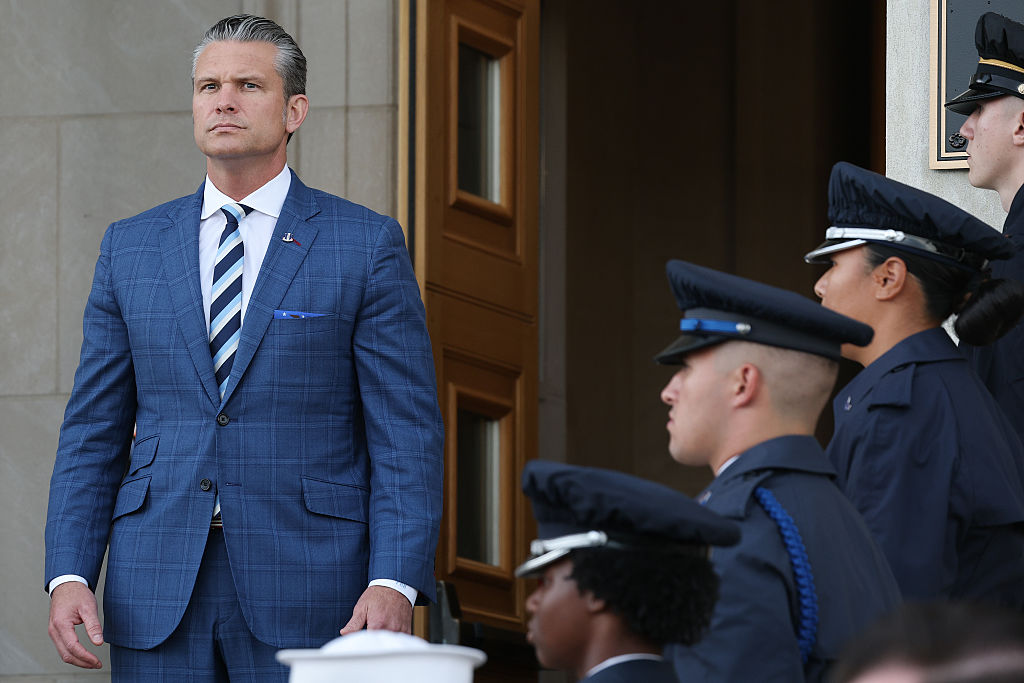
Pentagon investigators conducted polygraph tests on numerous military personnel in August as part of an inquiry into leaks about dwindling weapons supplies. The tests followed Defense Secretary Pete Hegseth's announcement in July that the Pentagon was forming a joint task force with the Department of Justice to prosecute "unauthorized disclosure of sensitive" information to the press.
The interrogations included about 50 Joint Staff members, according to The New York Times. The investigations were prompted by reports that U.S. supplies of critical munitions, such as long-range precision-guided missiles and air-defense interceptors, had fallen dangerously low. This decline was attributed to ongoing tensions with Iran.
Trump, who denied a shortage in a recent post, vowed to jail leakers who reported on the issue, calling them "treasonous scum." Despite Trump's denials, the Center for Strategic and International Studies estimated that missile interceptor inventories had dropped to under 1,000 and THAAD inventories to about 250. The Pentagon's polygraph procedures require written consent and allow the examinee to end the examination at any time. However, it is unclear if these requirements were followed in this case.
Written by urgent.news from Time's reporting — not their text. Machine-written — may contain errors; check the original before relying on it.