US, Canada driver’s licence data on Dark Web: What to know as FBI probes 153 million records
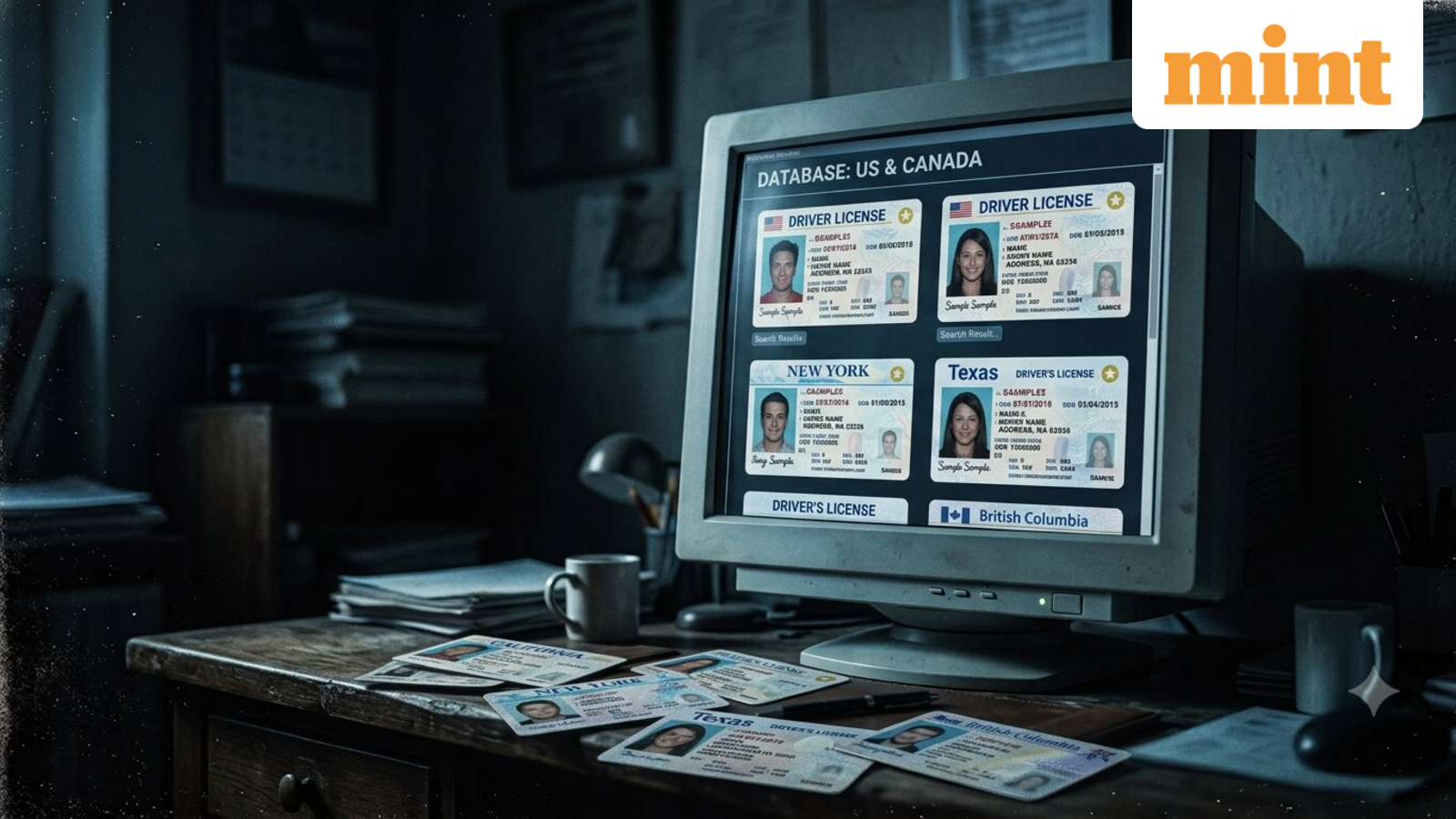
A dark web service known as Nexus is reportedly selling digital scans of more than 153 million driver's licenses from both the United States and Canada. This startling revelation has raised significant concerns over identity theft and data security. The FBI's New Orleans field office has launched an investigation into the origin of this stolen data.
The Nexus service was advertised on the Russian cybercrime forum Exploit on August 31. The operators claimed possession of over 170 million identity documents belonging to individuals across North America. The database includes over 153 million driver's licenses, more than 10 million identification cards, more than 3 million travel documents, and at least 579,000 medical cards.
Most of the records are from the US, with Ontario accounting for nearly 474,000 driver's license records. The data is believed to have originated from a breach at a major identity verification company that serves Fortune 500 businesses. The Nexus website reportedly vanished from the dark web, replaced with a message stating that the service is no longer available. However, this does not confirm the deletion of the stolen data.
The FBI investigation into the suspected breach and the source of the stolen identity documents is still ongoing. The incident highlights the risks associated with sharing sensitive personal information, as stolen driver's license scans can be used to verify identities and open financial accounts. Cybersecurity experts warn that such data compromises efforts to strengthen identity authentication through driver's license verification.
Privacy advocates also express concern over the large amounts of sensitive information stored in third-party companies without sufficient oversight.
Written by urgent.news from Live Mint's reporting — not their text. Machine-written — may contain errors; check the original before relying on it.