Toxischer Staub: Wenn Helfer Jahre später erkranken – Die Folgen von 9/11
Nach den Anschlägen auf das World Trade Center 2001 eilen etliche an den Ground Zero, um zu helfen. 25 Jahre danach leiden Zehntausende an den Folgen des toxischen Staubs. Und es werden immer mehr.
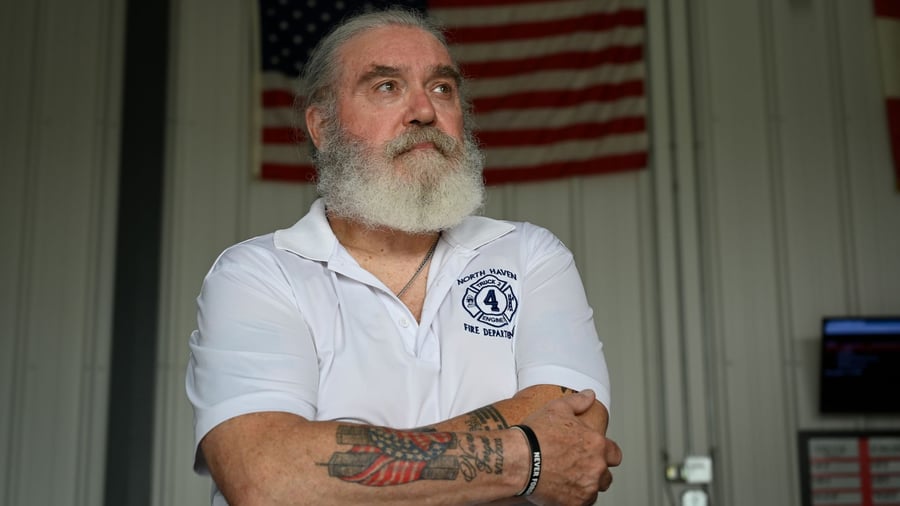
Curt Andrews, a volunteer firefighter from Connecticut, was exposed to a toxic cocktail of pulverized concrete, glass, gypsum board, burnt plastics and other pollutants during his week-long stay at Ground Zero, also known as the site of the World Trade Center attacks. He had little choice but to enter the disaster zone, where thousands of people had worked.
He arrived just as the Twin Towers had already collapsed. Andrews recalls walking through a layer of ash up to his knees. The streets surrounding Ground Zero were filled with debris. He went there to help others, rescuing people from the rubble. However, all he heard were sirens. The devices beeped when left unused for too long, signaling a dead battery.
On New Year's Eve, just before midnight, they found someone still alive - a man with a metal beam pierced in his arm. Doctors administered morphine to him, and they had to amputate his arm, then rescued him from the rubble. Andrews himself was the only survivor they managed to save within a week. They did not wear protective masks, believing they were there to help others, not themselves.
His eyes were irritated and he had a lot of congestion. The first night, Andrews spent on a curbside. He and his colleagues were completely covered in the toxic dust. Today, tens of thousands are sick from the rescue and cleanup efforts following the 9/11 attacks. Over a decade later, the health crisis continues. In addition to toxic dust, intense fires burned in the rubble for months, further polluting the air.
The U.S. Environmental Protection Agency declared the air safe on September 18, 2001, a judgment they later had to retract. Thousands returned to their jobs, schools, and homes, exposed to the toxic air. The nearby New York Stock Exchange reopened on September 17. Lila Nordstrom, a high school student near Ground Zero, returned to school in early October, only to find herself among those suffering from respiratory issues.
She developed a severe asthma exacerbation, a stomach ulcer, and a post-traumatic stress disorder due to witnessing the attacks. She was at school when the hijacked planes crashed into the towers. The U.S. Centers for Disease Control and Prevention (CDC) currently records over 57,000 cancer cases linked to the attacks. The most common are skin cancers, followed by prostate and breast cancers.
As of June 2026, more than 150,000 people have registered in a state health program for those harmed by the attacks. The program evaluates if the illness, its severity, and the timeline meet scientific criteria. If so, the disease is recognized as 9/11-related. More deaths have occurred from late effects than from the attacks themselves.
Experts identified over 350 chemical substances in the dust, including pulverized concrete, insulation materials, kerosene, electrical devices, and a high concentration of glass particles. The dust attacked the sinuses and the gastrointestinal tract almost immediately after the attacks. Borders' photo, made famous as the 'Dust Woman,' led to her death from stomach cancer at age 42.
Experts estimate that more than 3,000 people have died directly from the attacks, but the number of deaths from 9/11-related illnesses is likely higher. It took Andrews 20 years to return to Ground Zero in 2023, after a friend convinced him to visit. Even then, it took years for him to feel comfortable returning.
Written by urgent.news from Handelsblatt's reporting — not their text. Machine-written — may contain errors; check the original before relying on it.