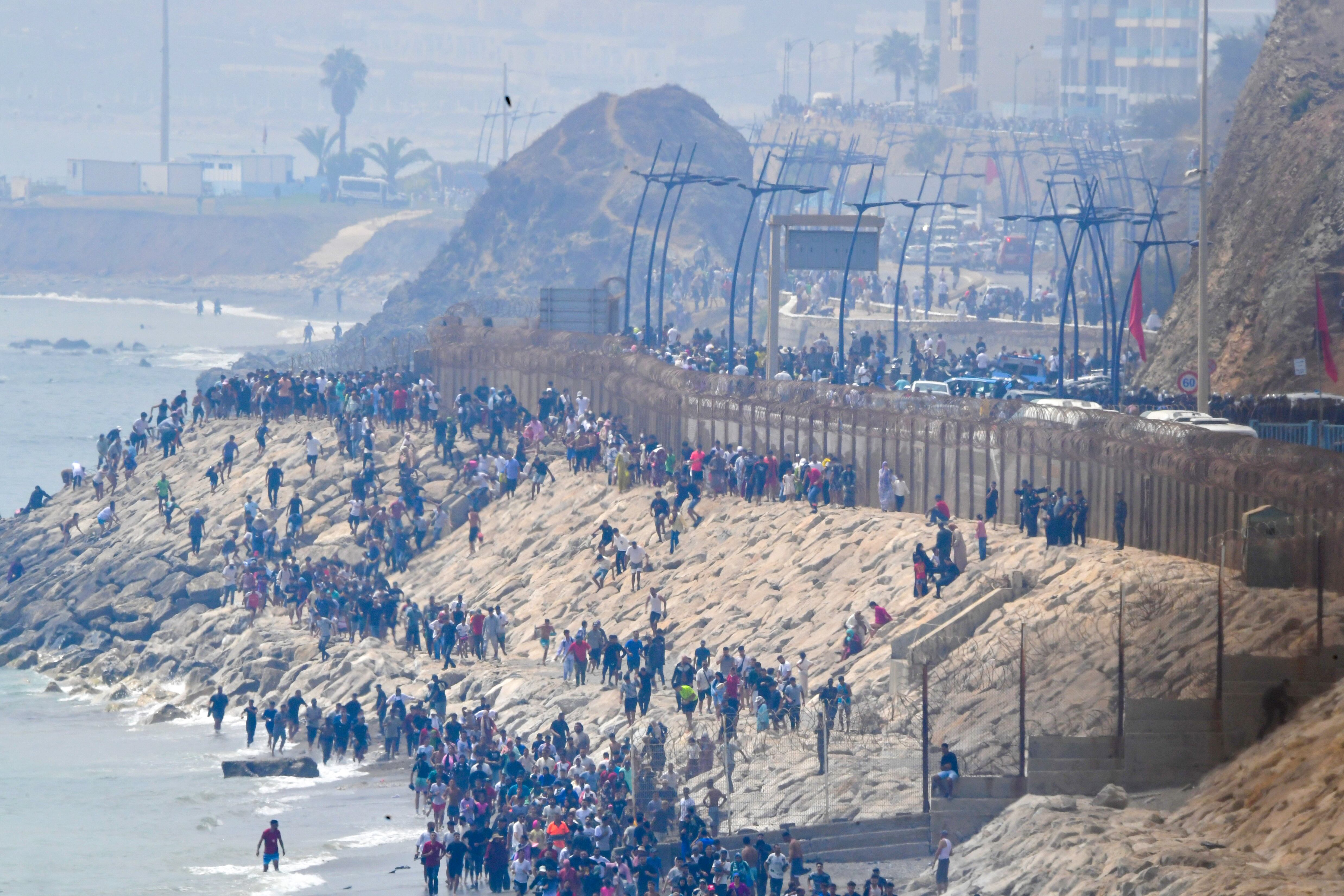
¿Tiene usted miedo?
Echo en falta ante las preocupaciones por la IA ideas sobre qué podemos hacer los civiles sin poder en una sociedad tan poco organizada
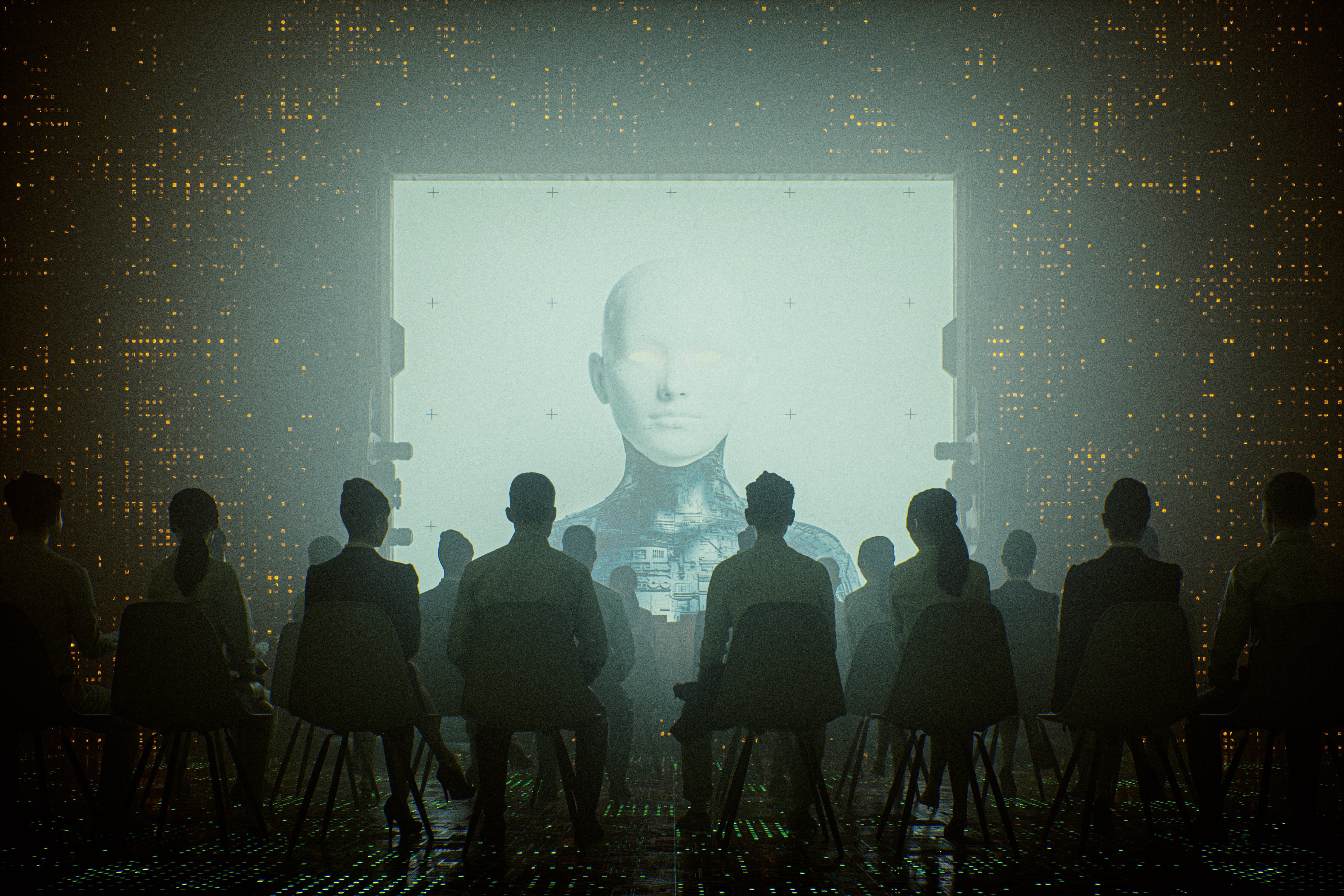
Fear is in the air, much like love was in that silly song from the seventies. Fear is lurking about us and it seems to have intensified this summer. Why don't you lack fear?, several friends have asked me in that timid way we express things we do not want to acknowledge. Do we have fear? I heard Antonio Scurati, author of the monumental M, the great novel about Mussolini, refer to fear as the main similarity between those years and now.
It was the time when people only identified with strong colors, red and black, when someone was expected to connect with the worst part of Italians, the guts, the innards, from where fear, discontent, disillusionment, abandonment, betrayal sprouts. It's the same bet, Scurati says, that the extreme right makes today. The agitation of fear is so dangerous that it often becomes a sterile sentiment.
What good is fear if we are incapable of perceiving how the destroyers of our conviviality are colonizing our minds? This does not impress us; we daily surrender to its power, we use social networks or artificial intelligence (AI) as if our acts were not in per se contradiction with a civic resistance in which we claim to believe and that for now only spills in Instagram stories.
We are like the vertical union: we nourish the power. And between fires and hybrid wars, Timothy Garton Ash's article ¿Nos estamos acercando a un Hiroshima de la IA? was buried this summer. His alarm call did not provoke a single comment in those innumerable social gatherings that populate the media space. What is not commented, does not exist.
Garton Ash warns of a possible tragedy caused by an unregulated AI, something imminent. What provokes shivers, according to the author, is that perhaps that is the only way the power will react, or us, or even that if the catastrophe strikes as far away as not to feel its tremor.
Written by urgent.news from El Pais's reporting — not their text. Machine-written — may contain errors; check the original before relying on it.