The Nikon ZR proves that video-first cameras might actually save mirrorless stills photography
Video-driven camera design is actually good news for still photographers
The global uncertainty and instability in the camera world has led to a decrease in the number of new camera releases this year, primarily due to disruptions in supply chains caused by the surge in AI data centers. This has resulted in a lack of new mirrorless cameras from Nikon, Fujifilm, and OM System, with only a few notable releases from Panasonic, Canon, and Sony.
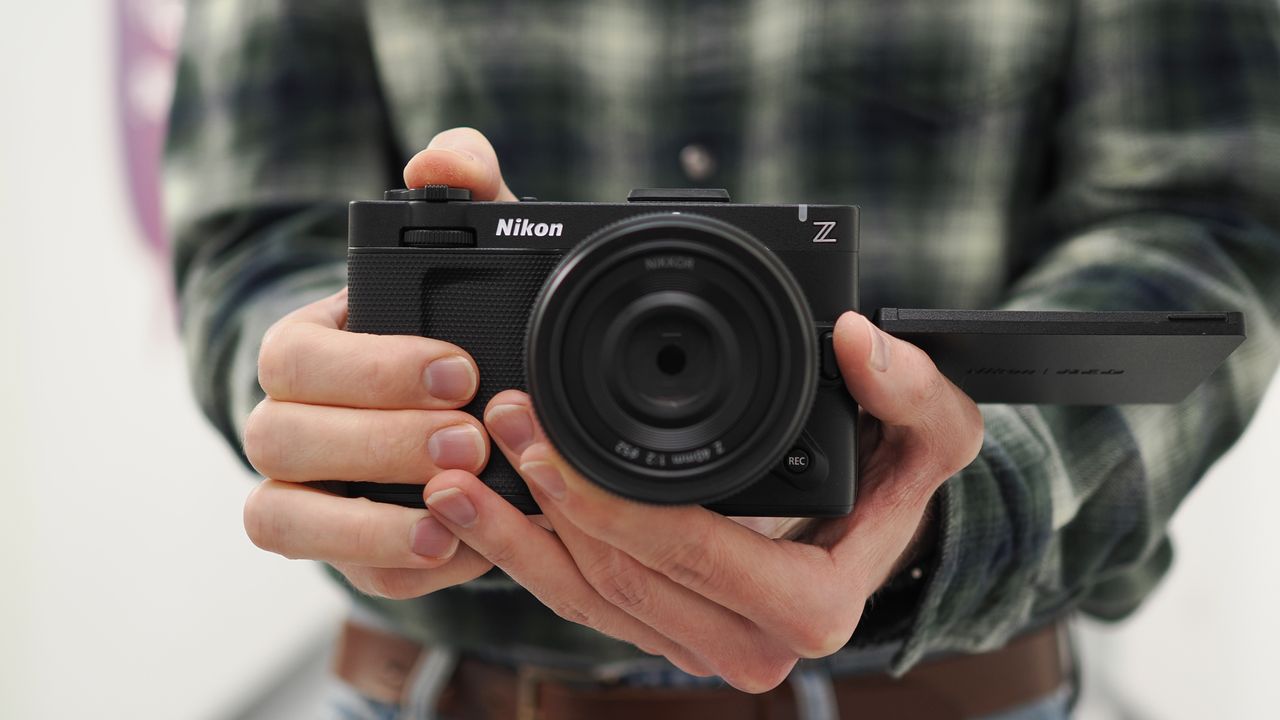
Nikon's last major new camera release, the ZR, was launched in September 2025 and is aimed at video shooters. This signals a shift in the camera market towards hybrid cameras, catering to a range of video users, from solo content creators to professional or semi-professional broadcasters and cinematic producers.
Testing the Nikon ZR and Canon EOS R6 V revealed that both cameras were more enjoyable to use than expected, with the ZR offering a rangefinder-style body and a high-contrast monitor screen, making it efficient and effortless to use. Despite the absence of an electronic viewfinder (EVF), the ZR has the potential to be a great stills camera and excels as a compact cine camera.
With Nikon's acquisition of US cine camera-maker Red, the company seems to see the video/cine business as an essential part of its future. As video continues to dominate communication, it is becoming an increasingly important discipline for photographers, often requiring a significant investment in equipment and skills. While photography-first cameras may still be the preferred choice for those with the luxury, hybrid mirrorless cameras like the Nikon ZR provide state-of-the-art technology for photographers, making them worth considering for those who do not have an interest in video.
Written by urgent.news from Digital Camera World's reporting — not their text. Machine-written — may contain errors; check the original before relying on it.