Study outlines the five-stage pipeline Clavicular used to spread “diagnostic masculinity” and looksmaxxing
How do extreme internet subcultures go viral? Recent research breaks down the spread of "looksmaxxing," showing how influencers use short-form clips, controversy, and "diagnostic masculinity" to turn young men's insecurities into mainstream attention and profit.
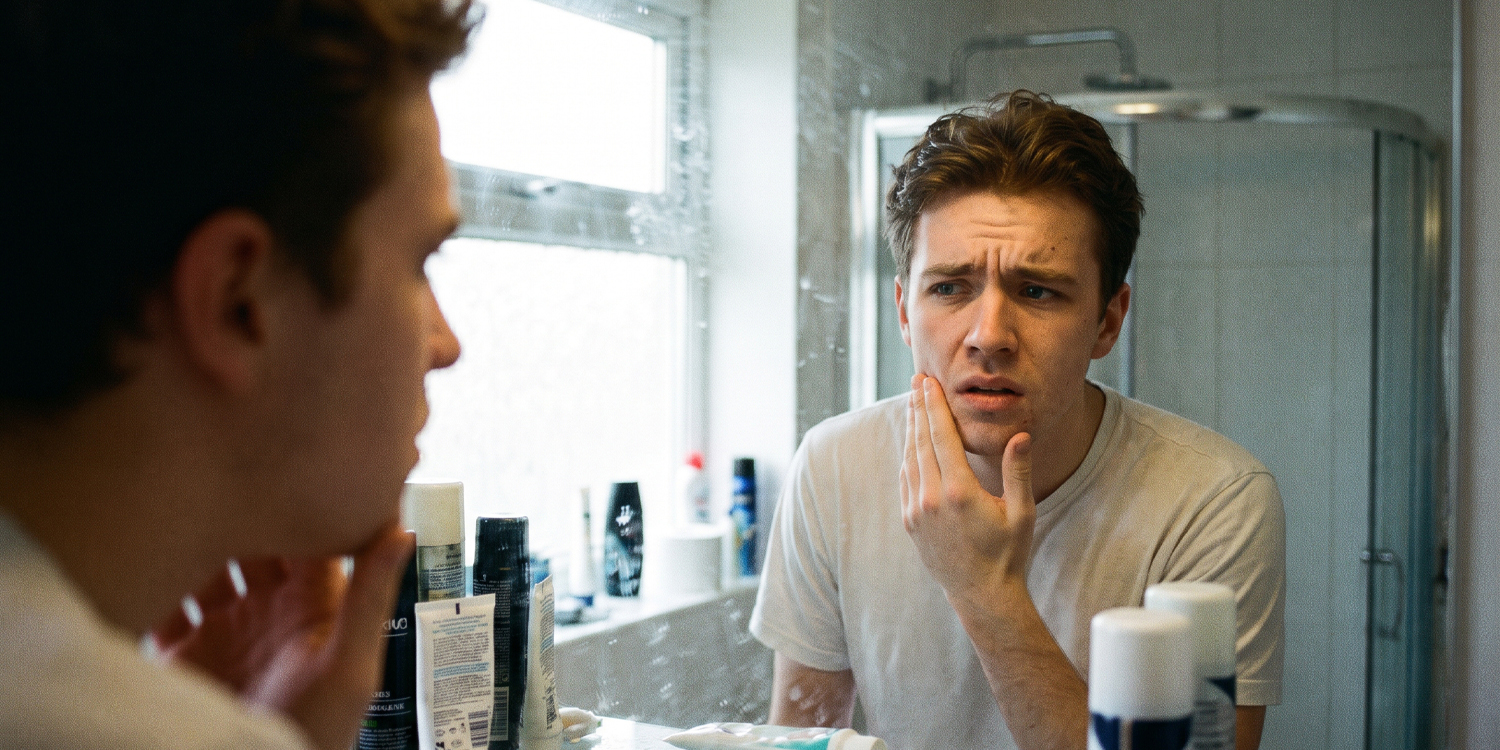
A recent study delves into the five-step process through which the extreme male self-improvement trend known as looksmaxxing transitioned from niche online forums to mainstream public consciousness. The investigation, published in Journal. Media, highlights the role of coordinated tactics, such as controversy, short-form video clips, and coverage by mainstream media, in spreading this movement.
Looksmaxxing is characterized by a person's relentless pursuit of enhancing their physical appearance, often by scrutinizing facial features using stringent rating systems. The culture promotes men to modify their bodies to climb a perceived social hierarchy, sometimes endorsing harmful practices like "bonesmashing" and using anabolic steroids or crystal meth.
The research, led by Dag Øivind Madsen from the University of South-Eastern Norway, employed a case study focusing on Braden Eric Peters, also known as Clavicular. Peters, a controversial livestreamer, became a prominent figure in the looksmaxxing community by openly discussing his use of anabolic steroids and livestreaming himself injecting fat-dissolving peptides.
The study mapped Peters' online presence, which included mainstream media articles, platform profiles, and links to paid community sites, revealing a five-stage model of containment failure. This model outlines the progression from vernacular incubation (the development of community-specific slang) to mainstream trans.
Written by urgent.news from PsyPost's reporting — not their text. Machine-written — may contain errors; check the original before relying on it.