Pandan foot soaks, qigong breathing: behind a Malaysian massage
Malay, Chinese, Indian and indigenous traditions are blended into a hands-on wellness experience rooted in local heritage.
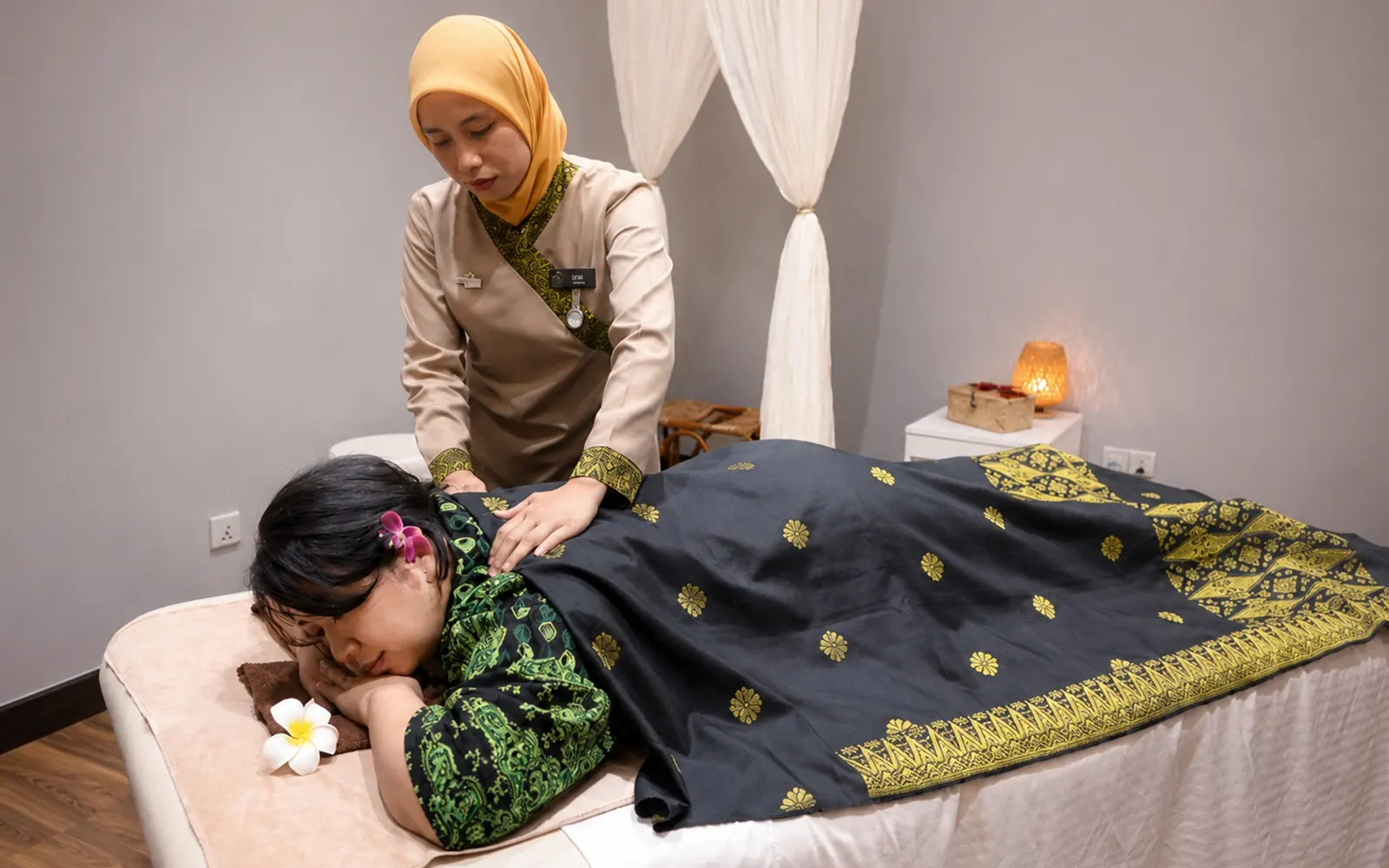
A traditional Malaysian massage draws on techniques from several local cultures, including Malay, Chinese, Indian, and indigenous traditions from Sabah and Sarawak. The result is a treatment that is both physically relaxing and culturally significant. One of the first steps involves a foot soak using kaffir lime, betel leaves, and pandan leaves.
This practice is inspired by the traditional Malay custom of washing one's feet before entering the house. The treatment incorporates qigong breathing from Chinese practice, Indian head massage, and techniques from Malaysian and East Malaysian indigenous communities. Practitioners undergo six days of training to become certified, but the appeal lies in the cultural elements and hands-on techniques rather than machines.
Malaysian massage was introduced as a tourism product in 2017 and has been demonstrated overseas to promote it to international spa operators. The practice, while not officially recognized, continues to be taught and practiced to preserve cultural heritage. Clients experience the treatment through elements such as the scent of pandan, the warmth of a foot soak, and gentle pressure from the therapist's hands.
Written by urgent.news from Free Malaysia Today's reporting — not their text. Machine-written — may contain errors; check the original before relying on it.
This story
This is one outlet's version. Read the fullest account.
- Pandan foot soaks, qigong breathing: behind a Malaysian massage freemalaysiatoday.com