Pakistan cricket crisis explained: What has gone wrong, and can it be fixed?
Pakistan cricket has gone into complete meltdown following yet another chastening defeat against a top team. Upheaval in Pakistan cricket is not a new phenomenon and most fans have become accustomed to dramatic developments from the South Asian giants. However, what happened in the aftermath of the second Test against England at Lord's was unprecedented even by Pakistan cricket 's mercurial…
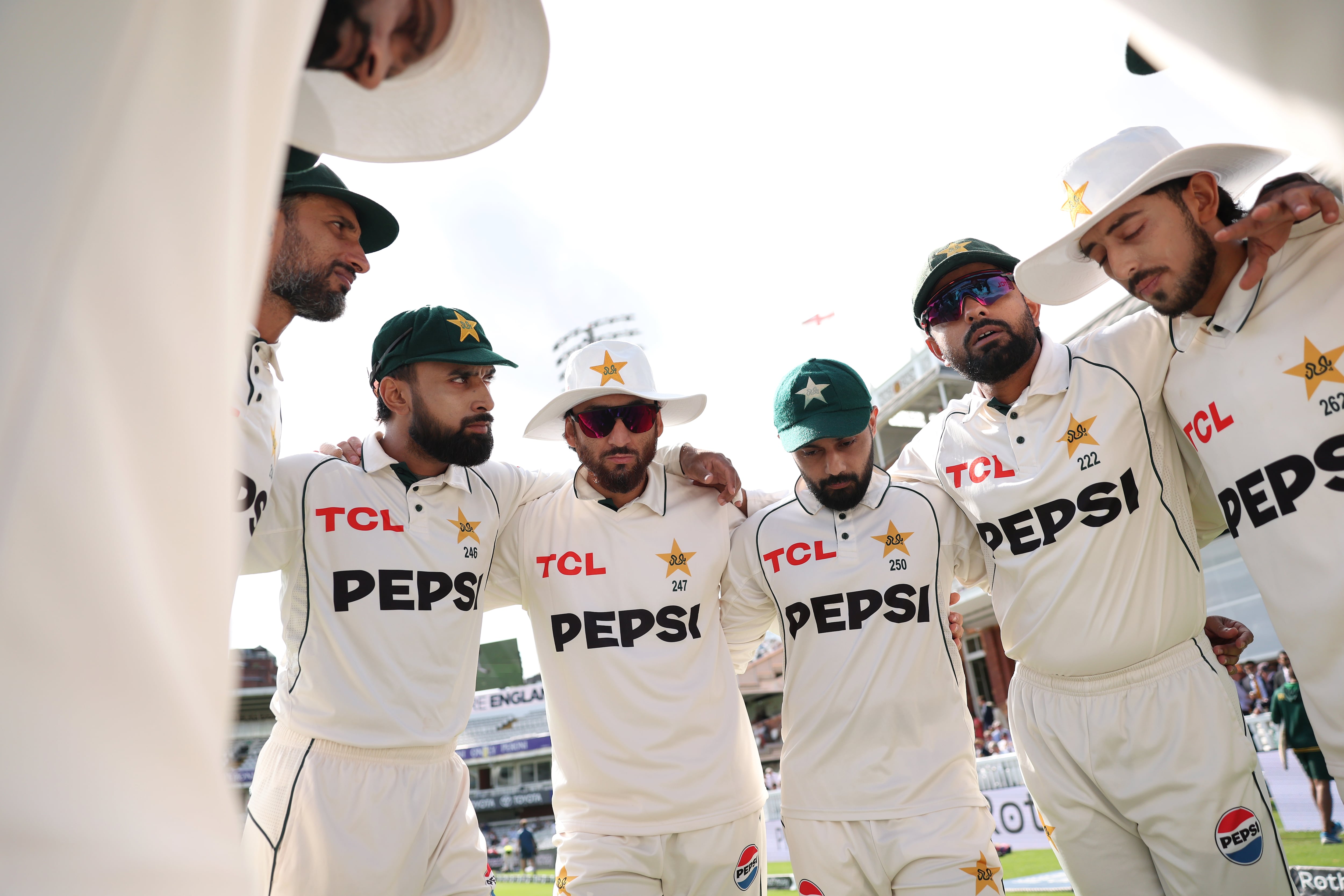
Pakistan cricket is in a state of utter turmoil following yet another devastating loss to a top-tier team. The country's cricket fans have grown accustomed to the country's erratic behavior, but the events surrounding the recent second Test against England at Lord's were truly unprecedented. After suffering two crushing defeats – by an innings and 103 runs in the first match and by 194 runs in the second – a series of drastic measures were taken by the team management.
Seven players and the head coach were removed from their positions, including former captains Mohammad Rizwan and Salman Agha, opener Imam-ul-Haq, and Ali Usman, among others. Sarfaraz Ahmed, who had only recently been appointed as the head coach of the Test side in April, was replaced by Mike Hesson, the head coach of the white-ball sides.
The decision to replace not only the players but also the coach has left many scratching their heads. The logic behind the drastic action remains unclear, and the replacements themselves seem inexplicable – five uncapped players selected for a Test match in England? This move has been widely criticized, with former Pakistan coach Mickey Arthur lambasting team management for their constant player and coach changes, claiming that the lack of stability is the reason for their current predicament.
Despite the recent turmoil, Pakistan cricket has not been a complete disaster. The country's white-ball teams, particularly the T20 side, have been performing relatively well. Pakistan reached the final of the 2025 Asia Cup and narrowly missed a victory over India in the final in Dubai. In the last two seasons, their T20 record stands at 31 wins and 22 losses.
Earlier this year, they defeated Australia by a massive 111 runs in Lahore, marking their biggest T20 series win. They managed to reach the Super Eight stage of the 2026 T20 World Cup, losing only two games in the entire tournament – to eventual champions India and semi-finalists England.
In ODIs, Pakistan have been relatively close to their T20 form, with 17 wins and 15 defeats in 32 matches since 2024. However, they have failed to make a significant impact in the Champions Trophy last year. Still, there are glimmers of individual brilliance in the team. Spinner Abrar Ahmed is ranked second in the ICC rankings for both ODIs and T20s, while wicketkeeper-batsman Sahibzada Farhan holds the second position in T20 batting rankings. Babar Azam, although facing diminishing returns, remains sixth in the ODI batting table.
In summary, Pakistan cricket is experiencing a period of significant upheaval and uncertainty, particularly in the Test format. Despite their recent struggles, the country's white-ball cricket, especially in T20s, remains a force to be reckoned with. However, for any setup to function effectively, stability is crucial. The growing fear among players and management regarding job security indicates that the current approach may not lead to long-term success.
Written by urgent.news from The National UAE's reporting — not their text. Machine-written — may contain errors; check the original before relying on it.
This story
This is one outlet's version. Read the fullest account.
- Pakistan cricket crisis explained: What has gone wrong, and can it be fixed? thenationalnews.com