No, your sleep tracker isn't 100% accurate — here's why that doesn't matter
A lawsuit alleges the Oura Ring 5 lacks the capability to measure your sleep stages. But how much accuracy do we need from our sleep trackers?
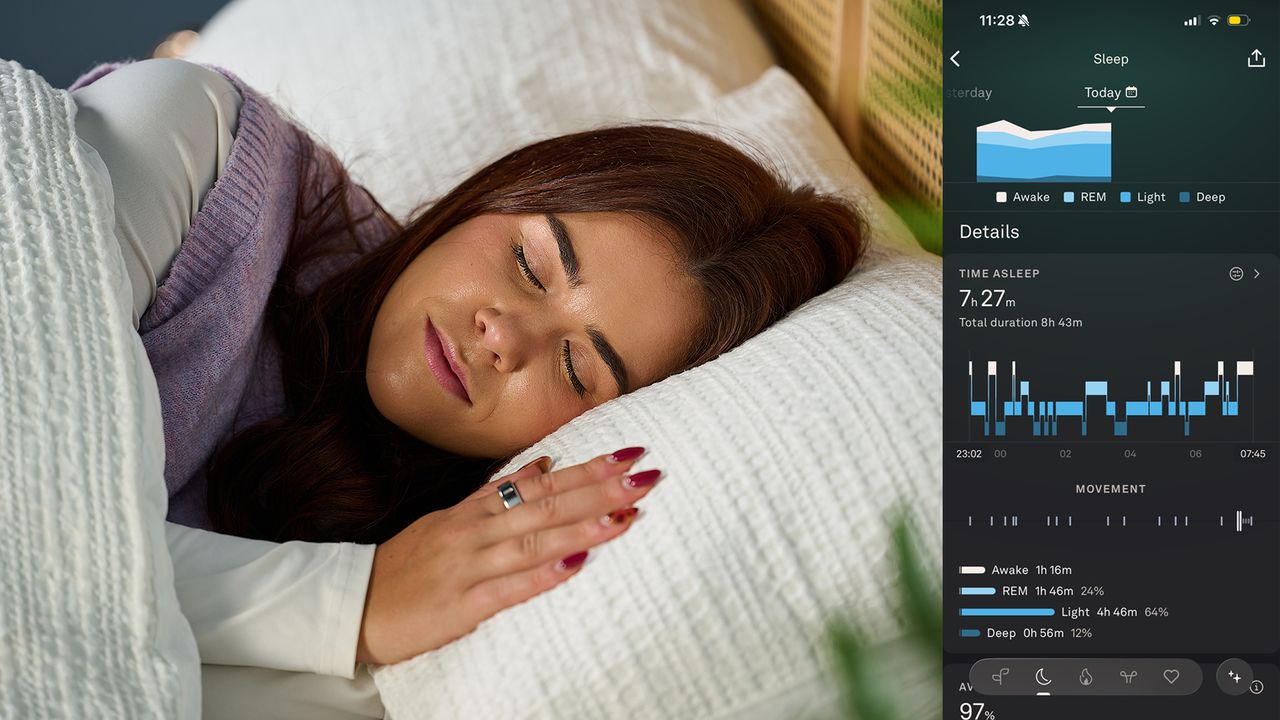
The sleep tracker industry finds itself in a crisis, as people are increasingly tired and aware of its impact on their well-being. A new lawsuit against sleep tracker manufacturer Oura claims their devices, such as the Oura Ring, are misleading users about their accuracy. The lawsuit alleges that the Oura Ring claims a 95% accuracy rate, but the truth is that sleep occurs in the brain, not on the finger, making accurate tracking impossible.
Wearables, like the Oura Ring, provide estimates based on factors such as heart rate, heart rate variability, respiratory rate, body temperature, and movement. These variables are then fed into an algorithm trained on large sleep data sets to estimate sleep stages. While the Oura Ring 5 claims to achieve 79% agreement with polysomnography (PSG), the lawsuit argues this is still guesswork.
Despite this, sleep trackers can still be helpful tools. Dr. Shireen Emad, an expert, suggests viewing them as guides rather than report cards. The Oura Ring 5 provides a generally accurate overview of sleep, though not to the minute-by-minute level promised. Instead of focusing on precise sleep stages, it's essential to understand if you're regularly missing deep sleep targets and how you feel the next day.
The Oura Ring 5 is still one of the top-rated sleep trackers due to its comfort, all-day tracking, and accurate sleep trends. It's small, non-invasive, and helps track patterns that can build healthy sleep habits. While it may not nail the exact time you fall asleep, wearing it nightly can still provide valuable insights into your sleep habits.
Written by urgent.news from Tom's Guide's reporting — not their text. Machine-written — may contain errors; check the original before relying on it.