No trace of once-busy China-Nepal border port after mudslide
Rescue workers search for hundreds still missing at the Gyirong border crossing between China's Tibet and Nepal, as landslides, poor weather and deep mud complicate recovery efforts.
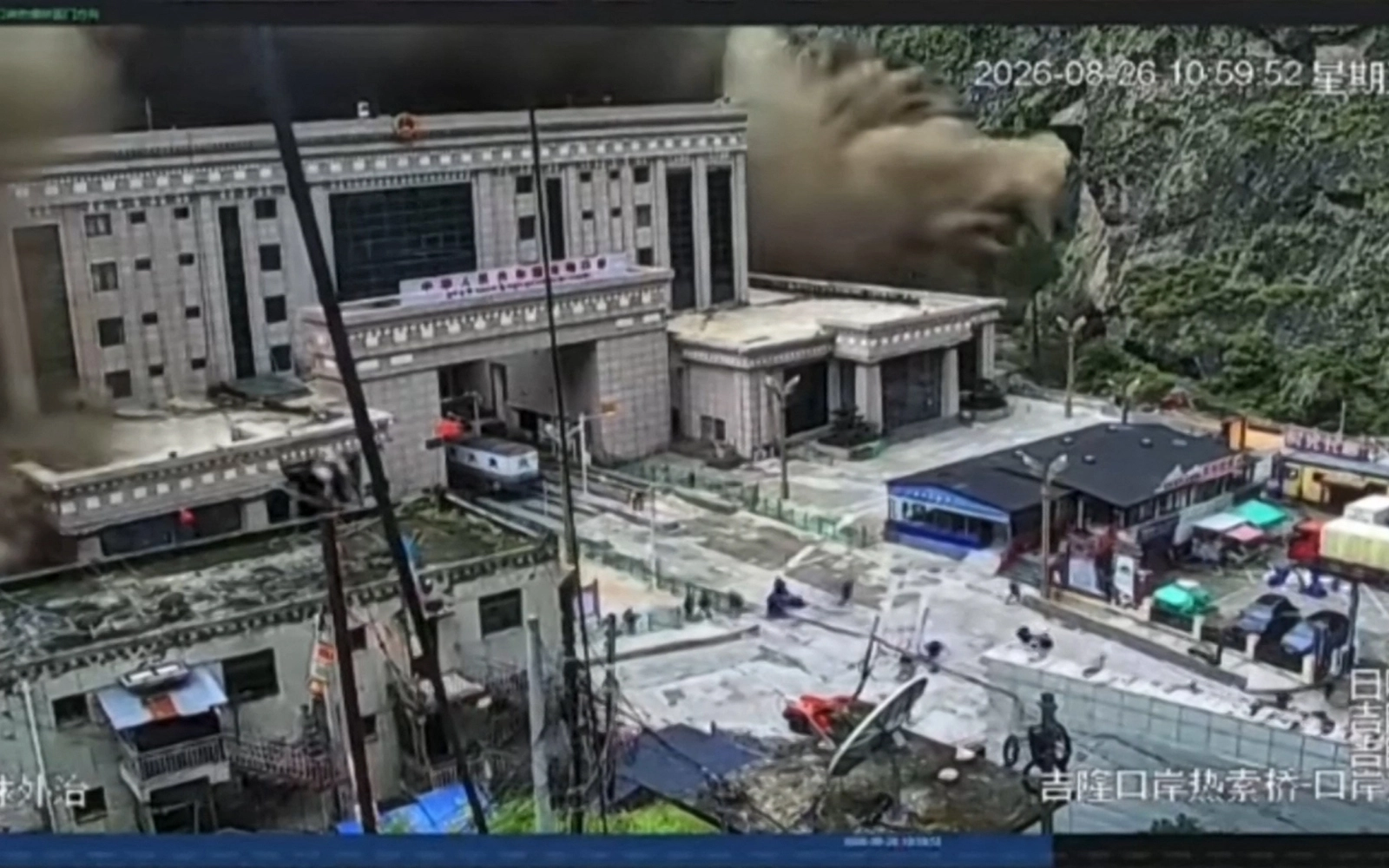
On August 26, a massive mudslide destroyed China's main border crossing with Nepal, known as the Gyirong border crossing. The disaster has become a grim symbol of the devastation in the region. As of now, no trace of the once-busy port remains. About 20 Chinese rescue workers, equipped with excavators, shovels, and ground-penetrating radar, are searching for the hundreds of people missing since the incident.
The only remaining structure from before the disaster is a portion of a nearby water tower installation. A Chinese flag was placed at the former location of the five-story customs building, which stood five stories tall at the border. Rescue efforts are divided into seven zones, with three zones still to be searched. The mudslide has claimed over 1,300 lives on both sides of the border, with more than 5,000 people still missing.
Among the missing are 261 foreigners from 23 countries. The Gyirong border crossing, situated at an average altitude of over 4,000 meters, was Nepal's primary land route for trade and pilgrims to Mount Kailash, a revered Hindu pilgrimage site.
Written by urgent.news from Free Malaysia Today's reporting — not their text. Machine-written — may contain errors; check the original before relying on it.
This story
This is one outlet's version. Read the fullest account.
- Flood destroys China-Nepal border crossing dailytimes.com.pk
- No trace of once-busy China-Nepal border port after mudslide freemalaysiatoday.com