Nepali rescuers buoyed by miracle finds but tough conditions persist
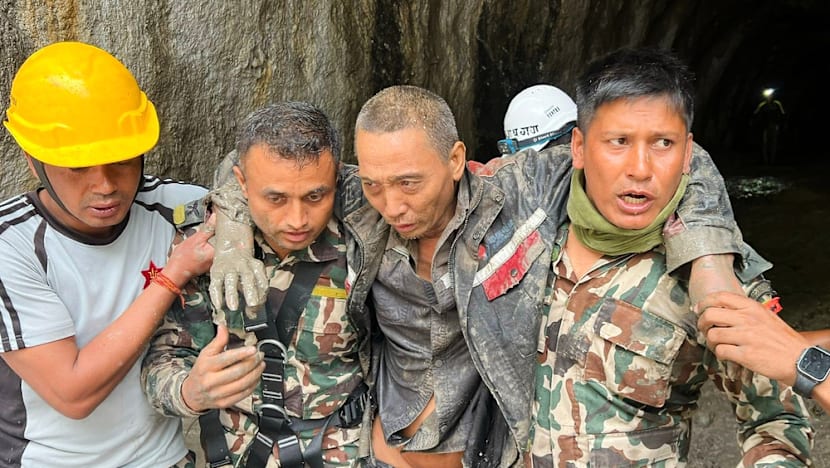
Kathmandu, Nepal - Nepali rescuers have faced daunting conditions during the 12th day of search operations following catastrophic floods, but have been encouraged by the miraculous rescue of four survivors. The glacial and mountain collapse on the China-Nepal border claimed at least 1,385 lives and left over 5,500 people missing across both nations.
On Saturday, two more individuals were discovered alive, bringing the total of rescued persons to four. Three of these survivors were found within hydropower tunnels, which the government previously believed could house more than 100 workers. Despite the geographical challenges, adverse weather, and limited connectivity, rescue efforts persist in these tunnels.
Energy Minister Biraj Bhakta Shrestha informed AFP that workers are encountering numerous obstacles. The United Nations' Nepal representative, Lila Pieters Yahia, pleaded for aid, describing the survivors' lives being upended within mere minutes. The wall of icy water and debris swept through mountain districts on August 26, causing extensive damage to roads, bridges, and infrastructure.
The UN's Nepal representative called for urgent assistance, emphasizing the irreversible impact on lives, livelihoods, and loved ones. The disaster has highlighted the urgency of rebuilding infrastructure, with Prime Minister Balendra Shah attributing hope to the nation through Shrestha's rescue. Other instances of resilience have emerged, such as school principal Rajendra Dawadi, who evacuated hundreds of students ahead of the flood.
Despite challenges, efforts are underway to restore electricity, including utilizing solar power in unreachable areas. Foreign Minister Shisir Khanal has termed the disaster a "Himalayan tsunami," warning that reconstruction costs could reach billions of dollars. The UN launched a $50 million appeal to aid over 84,000 people. With mortuaries overflowing, Nepal has buried hundreds in mass graves, identifying only around 100 bodies and returning them to families.
Nepal will observe a national day of mourning on Monday, the 13th day since the disaster, in accordance with Hindu mourning traditions. While the exact cause of the glacial collapse remains uncertain, climate change is exacerbating global glacial melting, intensifying the risk of such disasters. So far, Nepal has recovered 1,342 bodies, with around 4,996 people still missing, as reported by the disaster agency.
In Tibet, the death toll has increased from 31 to 43. Foreign journalists are restricted in China's Tibet Autonomous Region, only allowed to visit under controlled conditions. Chinese media have focused on the scale of rescue operations rather than family reactions. Combined, the death toll in this disaster stands at 1,385, with over 5,500 missing, including approximately 800 foreigners.
Written by urgent.news from Channel News Asia's reporting — not their text. Machine-written — may contain errors; check the original before relying on it.
This story
This is one outlet's version. Read the fullest account.
- Nepali rescuers buoyed by miracle finds but tough conditions persist bangkokpost.com
- Nepali rescuers buoyed by miracle finds as tough conditions persist freemalaysiatoday.com
- Nepali rescuers buoyed by miracle finds but tough conditions persist gulfnews.com