Nepal floods: DNA testing offers last hope to families searching for missing loved ones
The case reflects a much larger challenge facing Nepal, where authorities are relying on DNA testing to identify hundreds of bodies recovered after the August 26 floods and help families find relatives who remain missing
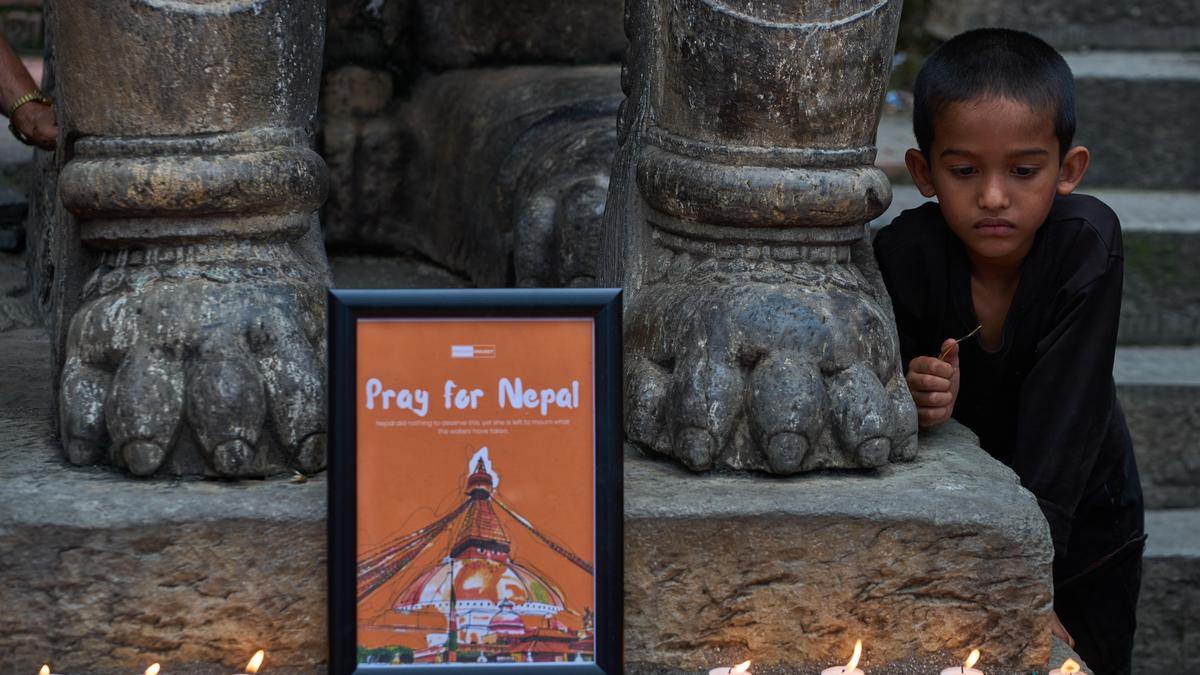
In Nepal, DNA testing offers a glimmer of hope for families searching for missing loved ones after devastating floods. When a human hand was found downstream by floodwaters, strikingly similar to a brother's, DNA testing became the sole means of identifying the remains. The floods, triggered by an ice-rock avalanche near the Nepal-Tibet border on August 26, caused widespread destruction, killing more than 1,300 people and leaving around 5,000 missing.
Authorities have collected 2,272 DNA samples - 1,260 from bodies and 1,012 from relatives - to help identify the victims. Out of the identified bodies, 1,030 have been buried, including 222 women, 355 men, and 453 without established sex. Only 96 bodies have been returned to families. Identification is a complex process due to the severe damage, decomposition, or partial recovery of the bodies, making recognition by physical traits difficult.
DNA testing, while time-consuming and requiring samples from both remains and biological relatives, is essential for confirmation. Nepal Police has established a DNA sample collection center in Bidur, Nuwakot, to facilitate the process for families.
Written by urgent.news from The Hindu's reporting — not their text. Machine-written — may contain errors; check the original before relying on it.