Los colectivos vulnerables se estrellan contra el muro de la justicia
La falta de empadronamiento o la brecha digital dejan fuera del sistema a mayores, migrantes y personas sin hogar
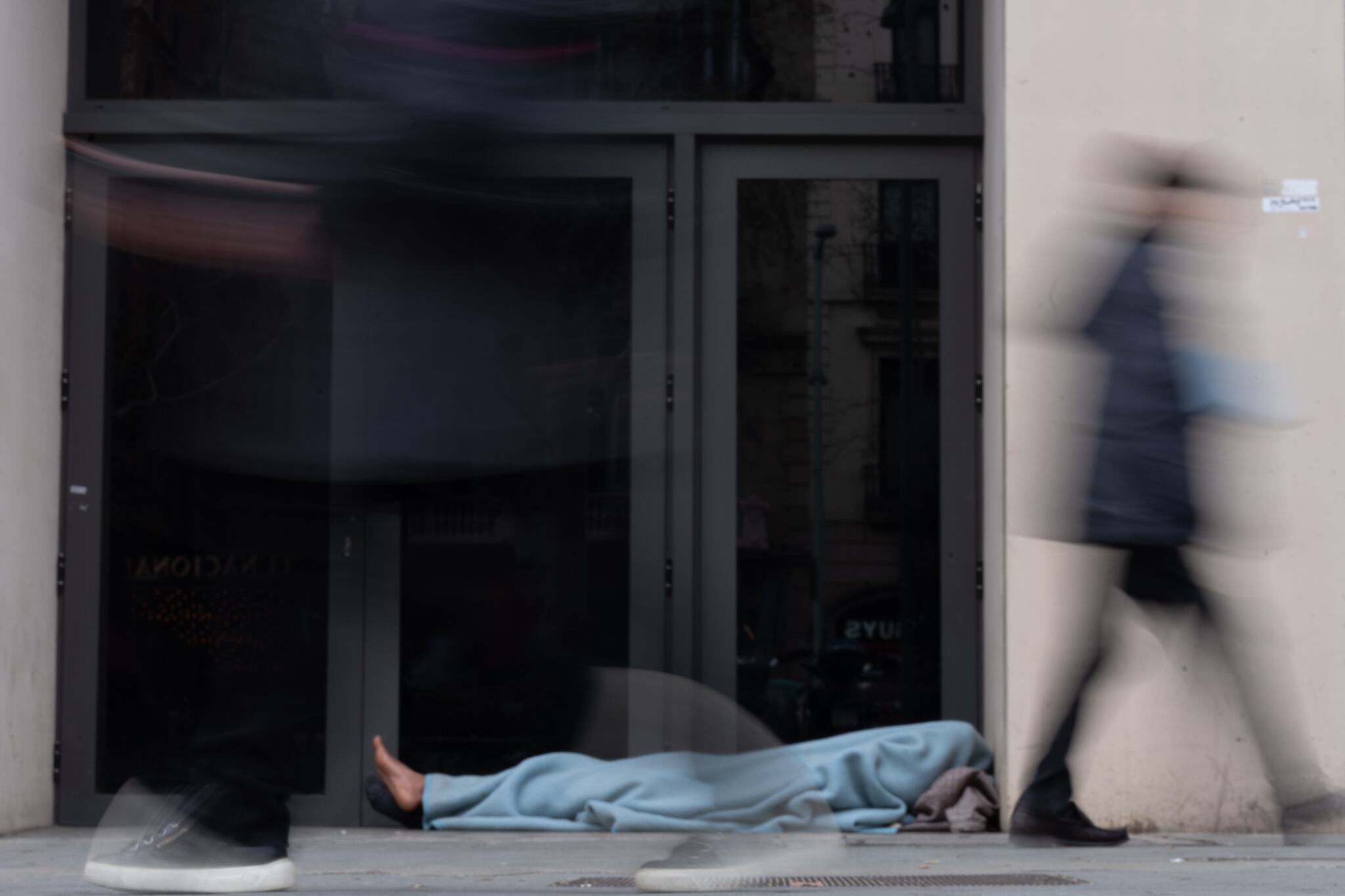
Accessing justice does not always begin in a courtroom. For thousands of vulnerable individuals, obstacles appear long before they reach a judge: a notification that never arrives, an appointment that cannot be secured, a digital process that is too complex to navigate, or documentation that cannot be provided due to unstable living conditions. What may be a complex procedure for any ordinary citizen becomes, for those marked by age, disability, poverty, or social exclusion, an almost insurmountable barrier.
The issue is not just legislative. Justice alone is not always sufficient to address all situations of vulnerability. Blanca Narváez, director of Fundación Mutualidad, explains that it is important to understand the limits and scope of existing protection mechanisms. The Law on Free Legal Assistance enables access to services such as pre-trial counseling, defense, and representation by an attorney or prosecutor, as well as financial support for detained individuals.
However, she adds, "there are circumstances of vulnerability that do not always fully fit within the hypothetical scenarios provided by the regulation." Forming a legal collective is crucial to identifying these cases.
Written by urgent.news from El Pais Economia's reporting — not their text. Machine-written — may contain errors; check the original before relying on it.