Lindsay Clancy trial: What to know about postpartum psychosis
The Lindsay Clancy trial has renewed questions about postpartum psychosis, from early warning signs and treatment to understanding when new mothers need urgent medical help.
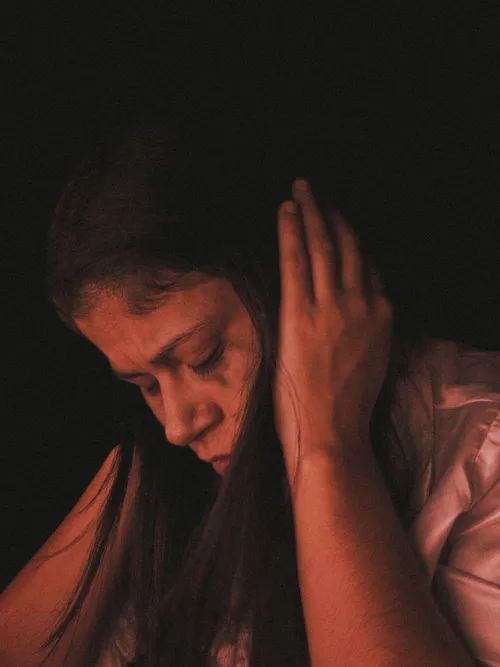
The Lindsay Clancy murder trial in Massachusetts has brought postpartum psychosis to the forefront, prompting a critical examination of maternal mental health. Clancy, a former nurse, faces charges for the killing of her three children in January 2023, with her defence claiming she was suffering from severe postpartum psychosis at the time.
Prosecutors, however, have challenged this explanation. The jury has been deadlocked for six days, and a verdict remains elusive. This case has reignited conversations about postpartum mental health, emphasizing that not all postpartum experiences are the same. The baby blues, characterized by mood swings, tearfulness, and anxiety, typically resolve within two weeks and are not considered a psychiatric illness.
Postpartum depression, on the other hand, is a more serious condition that can persist for months and may co-occur with psychotic symptoms. Postpartum psychosis is a rare but severe condition affecting one to three women per 1,000 births, often emerging suddenly within two weeks of delivery. Symptoms include hallucinations, delusions, paranoia, confusion, and extreme mood swings.
The condition is a medical emergency that requires immediate attention, as mothers experiencing psychosis may have little insight into their illness. The baby blues and postpartum depression differ from postpartum psychosis, as the latter is a serious psychiatric disorder requiring urgent medical intervention. Understanding the distinctions between these conditions can aid families in recognizing when a mother needs support and when she needs immediate medical care.
While postpartum psychosis has no single cause, research suggests a strong association with bipolar disorder and childbirth may trigger an episode in vulnerable women. Sleep disruption and hormonal changes postpartum are also being investigated as contributing factors. It's important to note that postpartum psychosis can affect women with no prior history of mental illness and may recur in subsequent pregnancies, particularly among those with a history of the condition associated with bipolar disorder.
Written by urgent.news from IOL's reporting — not their text. Machine-written — may contain errors; check the original before relying on it.