Heading to America to bridge the gap in US-China relations
Before boarding my flight to Boston late last month, I spent the better part of three days doing something I never imagined I would do in more than 30 years of covering China: scrubbing my phone. Old emails, screenshots, WeChat threads that might be read the wrong way, anything that could be misconstrued in an airport interview room – all deleted, just in case. I was not being paranoid. I was…
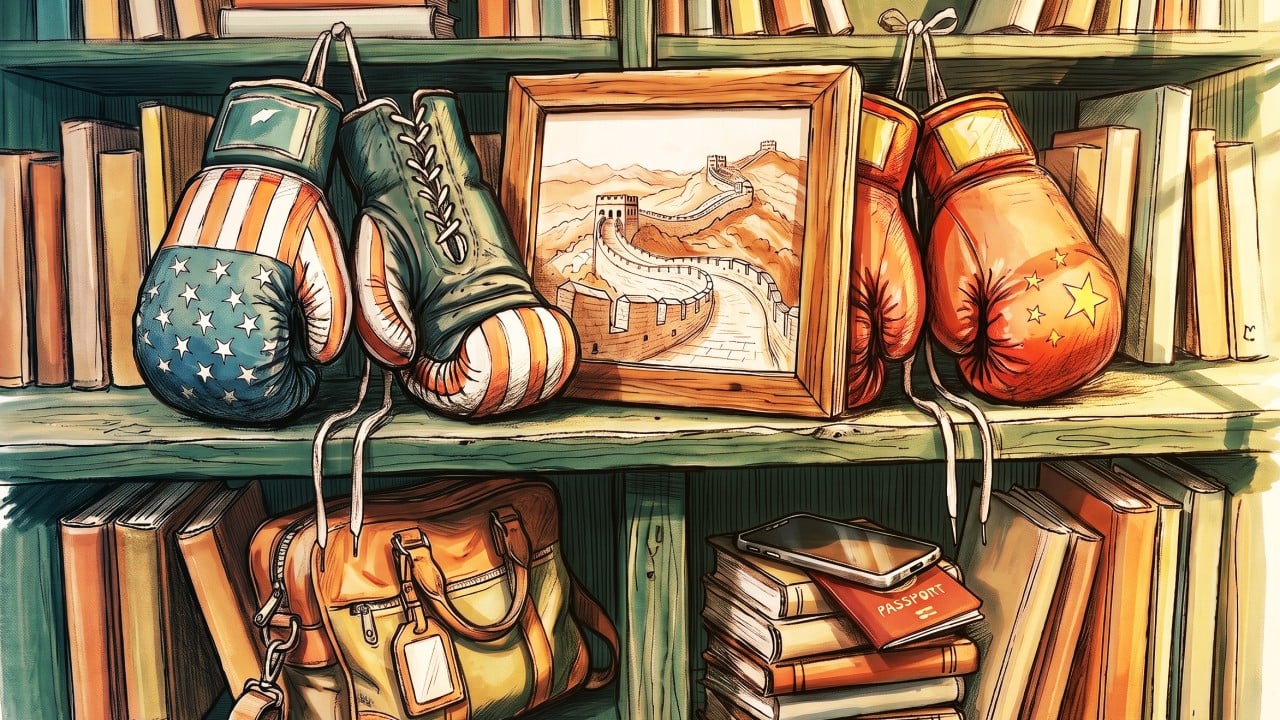
Before embarking on my journey to Boston, I took the time to thoroughly cleanse my phone, ensuring it was free of any potentially sensitive information. This meticulous process involved deleting old emails, screenshots, and WeChat threads that could be misconstrued in an airport interview setting. I was not being overly cautious; rather, I was adhering to the guidance provided to those traveling to the United States by American officials, academics, and businesspeople who frequently visit China.
This shared practice stems from the understanding that the contents of one's phone could potentially lead to trouble on the other side. Upon arriving in the United States, my entry was smooth and uneventful, starkly contrasting with the widely circulated horror stories among Chinese academics in recent years. This experience exemplifies the divide between perception and reality in US-China relations, a subject I have dedicated 35 years to exploring.
My appointment as a senior visiting scholar at the Rajawali Foundation Institute for Asia at the Harvard Kennedy School aims to delve deeper into this relationship, engaging with American thought leaders from across the political spectrum to discuss where they believe this relationship is heading and whether conflict is as inevitable as it now seems.
The deterioration of US-China relations began in earnest in 2018, with the launch of the trade war under the first Trump administration. This escalation, while seemingly sudden at the time, was the culmination of grievances that had been quietly building up over several decades across various sectors, including government, industry, trade, academia, science, and technology.
The underlying animosity was further exacerbated by structural anxieties, with Washington grappling with its perceived loss of manufacturing dominance and superpower status, and Beijing fearful of an increasingly dominant America coercing its development through tariffs, technology controls, and alliances designed to counter it.
This mutual anxiety gave rise to less rational forces such as incomplete narratives, hostile rhetoric, rumors masquerading as facts, all of which have damaged the public's perception of each other. The mutual suspicion and precaution that have emerged are a stark departure from the goodwill that had been accumulated over decades of engagement, resulting in a climate of apprehension.
Despite the seriousness of the current situation, it is crucial not to underestimate the complexity of the relationship between the two nations. In the recent fortnight alone, US Treasury officials have floated the idea of sanctioning Chinese banks over their dealings with Iran, a proposal that faced sharp resistance from Beijing.
Long Guoqiang, a prominent government official, expressed his concerns about China's uncertain path to modernization and warned that American containment of China will persist and intensify over the long run, despite a recent trade war truce. However, this truce, however temporary, also presents an opportunity for both nations to reevaluate their relationship.
During their upcoming meetings, President Xi Jinping is scheduled to meet with President Trump multiple times this year, including at the Asia-Pacific Economic Cooperation and G20 leaders' meetings. While the focus of these discussions will likely be on tangible agreements, such as trade, investment, and technology, there are other critical areas where cooperation could still be beneficial.
On global challenges, the possibility of continued cooperation on climate change and future pandemics remains, despite the current US administration's lack of enthusiasm for the former. In terms of engagement, law enforcement cooperation on transnational crime, scam operations along China's periphery, and the flow of fentanyl precursor chemicals into North America has already demonstrated that narrow, mutually beneficial arrangements can persist despite broader hostility.
Lastly, on global regulation, there is potential for the two governments to find common ground in governing artificial intelligence, space, and other emerging technologies. Currently, the discourse in both capitals is dominated by negative sentiments, with little attention given to the areas where cooperation is not only possible but necessary.
As a clear-eyed optimist, I am determined to identify these opportunities during my year-long stay in Cambridge, engaging with thought leaders beyond the usual circles frequented by China watchers, and setting aside my own assumptions and biases.
Written by urgent.news from South China Morning Post's reporting — not their text. Machine-written — may contain errors; check the original before relying on it.
This story
This is one outlet's version. Read the fullest account.