GMO corn approval poses grave threat to farmers, food, economy: experts
LAHORE: A unilateral move to approve the cultivation of genetically modified (GMO) corn in Pakistan has triggered deep alarm and anger across agricultural circles, with farmers, scientists, exporters, processors, academia and agriculture experts warning that the decision amounts to a “suicide attack on food security, human health and a multi-billion dollar export industry.” At a national…
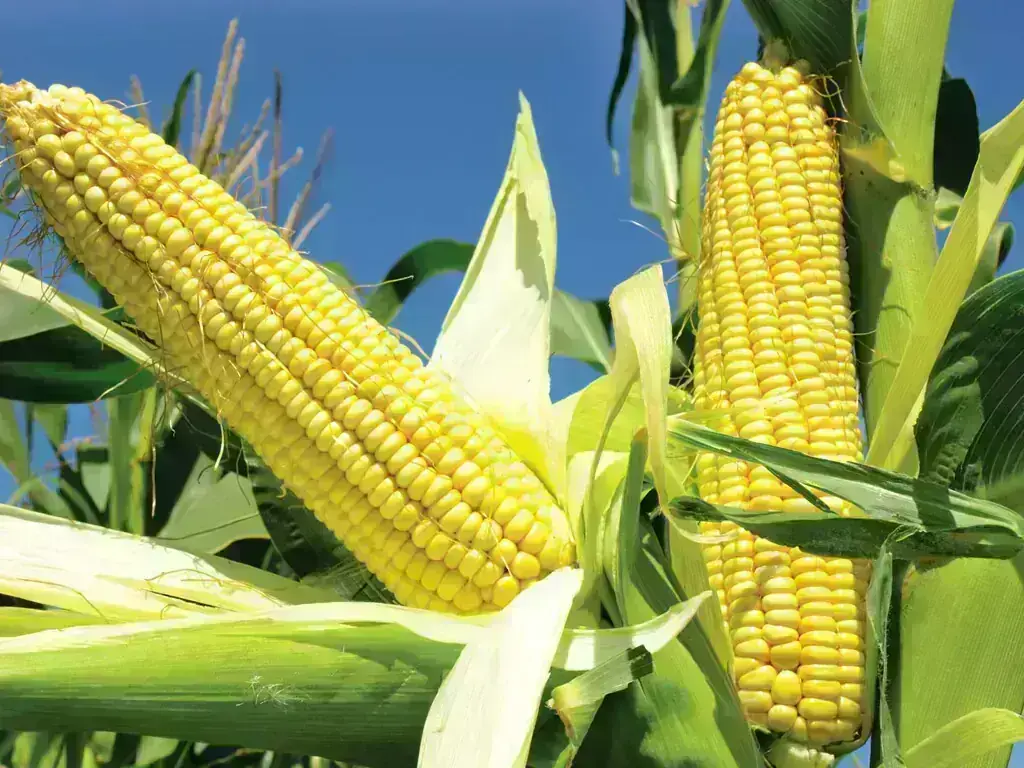
Pakistan's agricultural community has expressed grave concerns over the unilateral decision to permit the cultivation of genetically modified (GMO) corn within the country's borders. At a national meeting held in Lahore, a diverse group of stakeholders, including farmers, scientists, exporters, processors, academics and agriculture experts, unanimously warned that the decision could prove catastrophic for Pakistan's agriculture, economy and public health.
The meeting, organized by Zarai Ittehad Pakistan (ZarPak), brought together leading voices in the sector, including Farooq Bajwa, President of Basmati Growers Association; Khalid Mahmood Khokhar, President of Pakistan Kissan Ittehad; Rizwanullah Khan, Vice President of Kissan Board Pakistan from Khyber Pakhtunkhwa; Dr Obaidur Rehman, a pioneer of local seed R&D; Dr Anwarul Haq, a seed sector expert and more.
Farooq Bajwa, President of Basmati Growers Association, highlighted that GMO corn is a highly cross-pollinating crop and its introduction could erode the purity of Pakistan's non-GMO Basmati rice, a staple and major export commodity. He warned that once GMO pollen contaminates the local rice, the country would lose its export markets forever.
Khalid Khokhar, President of PKI, voiced his opposition to GMO maize, stating that Pakistan's maize yield is already double that of India's and comparable to that of the USA. He questioned the necessity of GMO maize cultivation.
Participants dismissed the government's consultation process as "dubious and non-transparent", alleging that it only involved multinational companies and ignored Pakistan's locally registered organizations, farmers, and the domestic seed industry. They termed the decision as a "conspiracy to establish a foreign monopoly" and asserted that it would hand over Pakistan's agriculture to a few international corporations, wiping out the local seed industry.
Experts with decades of experience in agriculture and biotechnology cautioned that introducing GMO corn at a commercial level, given the risks of bio-safety, bio-security and bio-terrorism, would amount to a potential suicidal step against national security. They worried that dependence on imported GMO corn seed could pose a threat to national security if seed supplies were disrupted.
The meeting ultimately unanimously passed a resolution urging the government to halt the implementation of recommendations on GMO corn until an independent and transparent assessment of its impacts is conducted. This assessment would cover effects on human health, the environment, economy, and exports. The resolution also called for prioritizing the voice of farmers, local seed industry, scientists and exporters in such decisions.
The meeting's chair, Farooq Bajwa, emphasized that this is not just an agricultural policy decision but a matter that could shape Pakistan's future. He stressed that if GMO corn is not stopped, the agricultural future of Pakistan would be jeopardized, and future generations would pay a heavy price for this misguided decision.
Written by urgent.news from Business Recorder's reporting — not their text. Machine-written — may contain errors; check the original before relying on it.