Frimpong-Boateng proposes Environmental Restoration Fund funded by mineral royalties
Former Minister for Environment, Science, Technology and Innovation, Professor Kwabena Frimpong-Boateng, has proposed the establishment of a statutory Environmental Restoration Fund that would operate outside Ghana’s regular budget cycle.
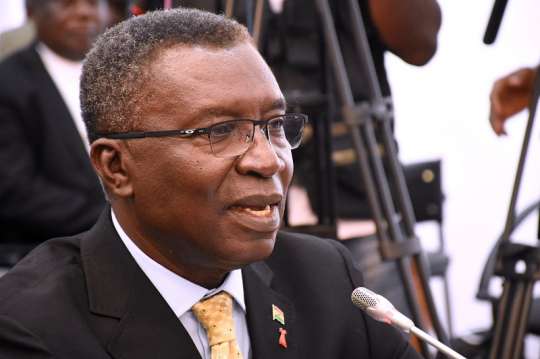
Professor Kwabena Frimpong-Boateng, a former Minister for Environment, Science, Technology, and Innovation, has suggested creating a separate Environmental Restoration Fund outside Ghana's regular budget to help restore mining-affected lands and clean up polluted water bodies. He wants a portion of mineral royalties to be put into the fund and used only for restoration purposes, with the fund's management and spending under independent oversight and public scrutiny.
Frimpong-Boateng believes putting the fund within the national budget could make it vulnerable to misuse when governments struggle financially. He proposed that a defined share of mineral royalties should be directed towards the fund, which would be handled separately and have its spending published annually. The restoration of Ghana's degraded lands, covering about 10% of the country's surface area, is estimated to cost around $21 billion.
The rehabilitation of the Ankobra River alone is projected to require $400 million, not including the cost of cleaning up other polluted rivers, including the Pra, Offin, Birim, Anum, and Oda, as well as the Black, White, and Red Volta rivers. The former minister argued that due to the scale of environmental damage, the restoration process needs consistent and protected funding rather than temporary allocations that can be easily withdrawn or redirected by new governments.
He also called for an annual State of the Environment audit to be presented to Parliament alongside the national budget. The audit would provide independently verified data on water quality in river basins, forest cover, degraded and reclaimed lands, waste management, and wetland loss. Frimpong-Boateng emphasized that without public measurement, there can be no public governance.
He stressed that securing dedicated funding for restoration and ensuring transparency in its use would help ensure that a portion of Ghana's mineral revenue is reinvested in repairing the environmental harm caused by resource extraction.
Written by urgent.news from MyJoyOnline Ghana's reporting — not their text. Machine-written — may contain errors; check the original before relying on it.
This story
This is one outlet's version. Read the fullest account.