FEEDING EXCELLENCE: Buckets of ‘brain food’ and gardens of learning: How excellence is grown at ECD centres
The nonprofit Inceba Trust offers early childhood development centres breakfast porridge, vegetable garden training, nutritional status assessments and training to cooks to ensure young children are healthy and able to learn to the best of their ability.
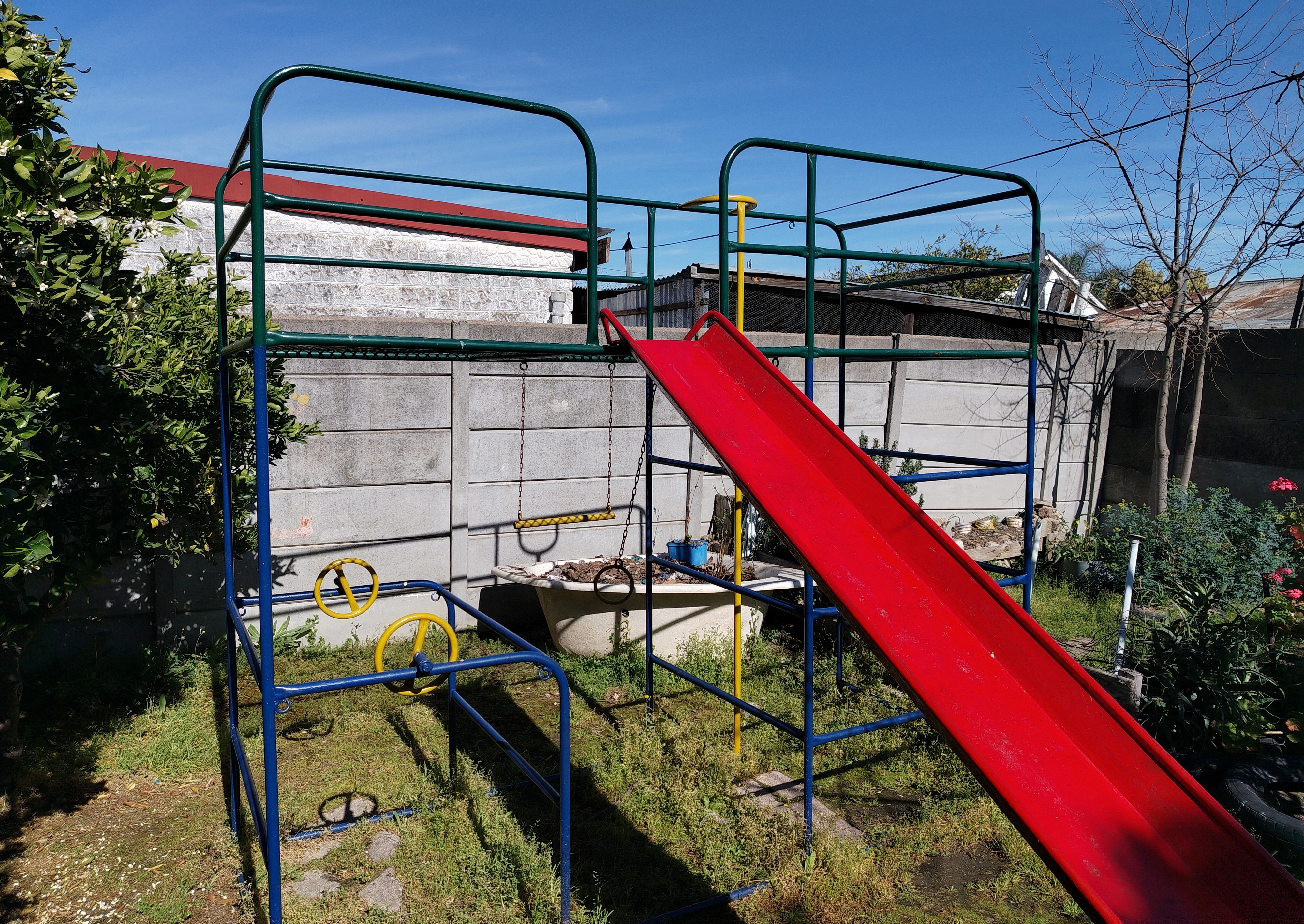
The Inceba Trust provides holistic support to early childhood development (ECD) centres, ensuring children are healthy and ready to learn. The nonprofit organization, formerly known as Valcare since 2016, focuses on creating safe learning environments, training teachers, and improving caregiver-child relationships. Nutrition is a key focus, with the trust conducting biannual nutritional status assessments for children at affiliated ECD centres.
They work with vendors like Outside the Bowl Africa and Kingdom Foods International to distribute nutritious breakfast porridge, consisting of VitaKidz Instant Nutritious Meals, to 3,488 children at 60 ECD centres in the Western Cape. The trust also trains ECD cooks in proper nutrition, hygiene, and portion control. In addition to providing porridge, the Inceba Trust teaches ECD practitioners how to establish and maintain vegetable gardens, introducing children to healthy vegetables at a young age.
The trust's efforts aim to combat stunting and obesity while fostering a love for vegetables and gardening in children.
Written by urgent.news from Daily Maverick's reporting — not their text. Machine-written — may contain errors; check the original before relying on it.