Even Supreme Leader Mojtaba Khamenei is worried about Iran’s economy and ‘social cohesion’ as U.S. pressure gets tougher to withstand
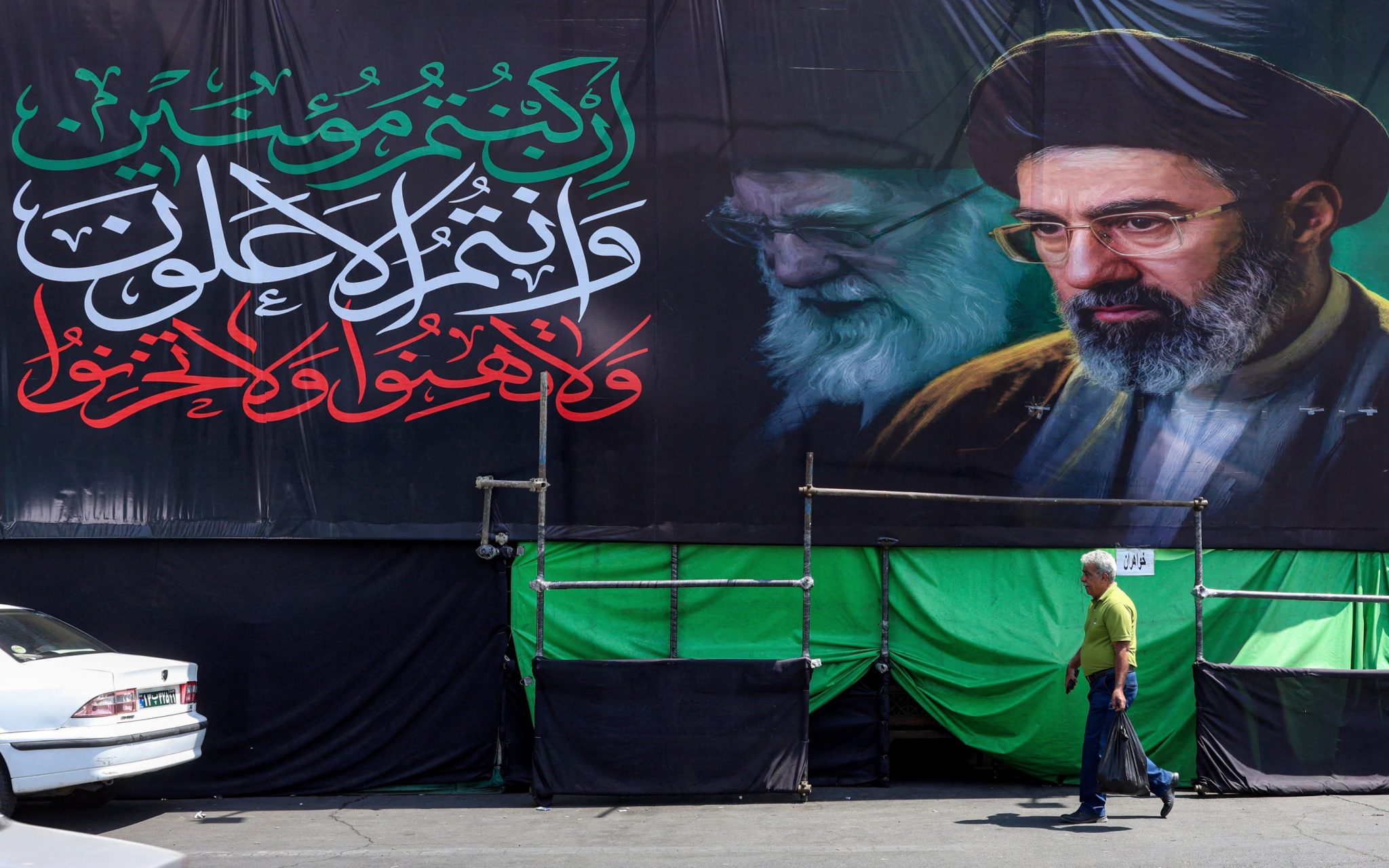
Iran's Supreme Leader Ayatollah Mojtaba Khamenei has expressed deep concern over Iran's deteriorating economy and social cohesion amid escalating U.S. economic pressure. In a recent statement, Khamenei cautioned officials against actions that harm social cohesion and issued a call for addressing economic challenges such as inflation and unemployment. Khamenei noted the need for the government to take serious action to tackle these pressing issues.
The economic hardships have led to widespread protests and have resulted in a plummeting rial, currency collapse, and inflation rates exceeding 80%. Trade has plummeted by 25% to 35%, with imports falling more significantly than exports. President Masoud Pezeshkian also acknowledged Iran's economic struggles, admitting to numerous problems. He expressed frustration with attempts to downplay the economic impact of sanctions on the nation.
The U.S. is intensifying its pressure by implementing an "economic D-Day" to diminish Iran's ability to evade sanctions. Treasury Secretary Scott Bessent announced new measures that further hinder Iran's oil exports and access to essential imports. The severe blockade is particularly challenging for Iran, which relies heavily on imported gasoline due to limited domestic refining. The situation has become dire, with the country's currency now at 2.2 million rials per U.S. dollar, compared to 1 million a year ago.
Despite the regime’s repressive nature, it seems unlikely that the suffering of ordinary citizens will sway Iran’s leaders, who are willing to endure economic hardships longer than the U.S. public can tolerate high gas prices. However, the U.S. Navy's blockade and assistance to oil tankers through the Strait of Hormuz remain a critical factor in maintaining pressure on Iran.
Energy Secretary Chris Wright confirmed that U.S. naval forces are becoming more adept at defending against Iranian attacks, but the region lacks the military capacity to counter Iran’s limited strikes effectively.
Written by urgent.news from Fortune's reporting — not their text. Machine-written — may contain errors; check the original before relying on it.