Enough of the Insults: Mahama, Bawumia must help reset Ghana’s political discourse
Insults, personal attacks, and abusive language are increasingly replacing reasoned disagreement. Social media has amplified the problem, allowing the most offensive comments to travel across the country within minutes and, too often, rewarding those who shout the loudest or insult the most viciously. Recent incidents involving offensive comments directed at political leaders should concern all…
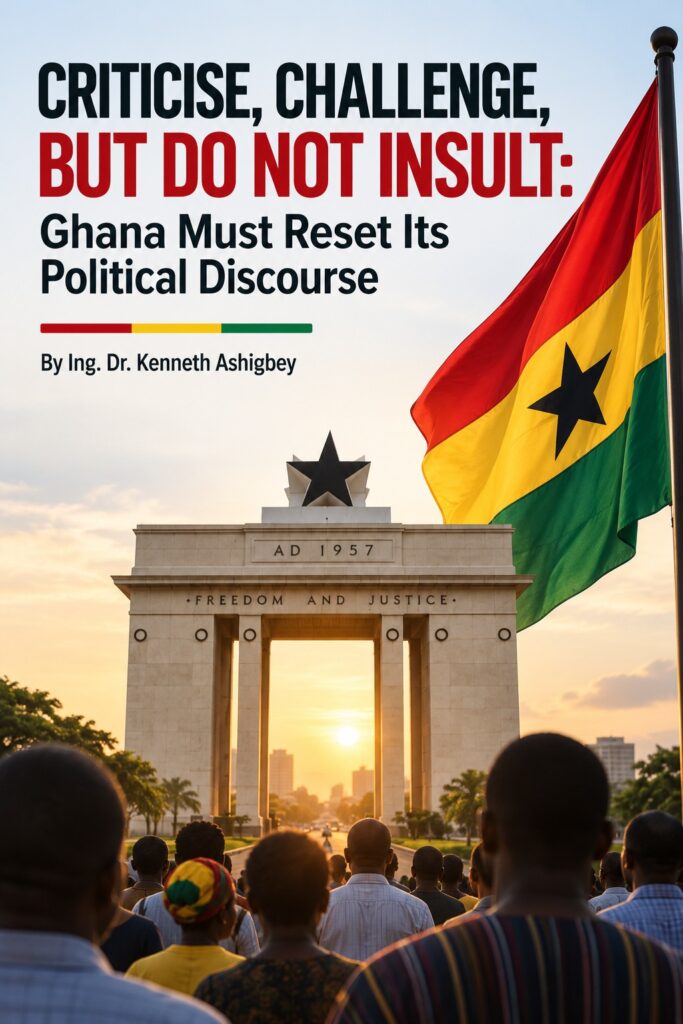
Ghana's political discourse is plagued by a troubling trend of insults, personal attacks, and abusive language replacing reasoned disagreement. Social media has exacerbated the issue, allowing offensive comments to rapidly spread throughout the country and often rewarding the most vicious insults. Incidents involving offensive comments directed at political leaders should trouble every citizen, regardless of political affiliation.
This is not a call for silence, but rather a plea to bring an end to this culture of disrespect. Democracy requires criticism, yet criticism must not devolve into insults. There is a clear distinction between pointing out that a decision is wrong and attacking someone's dignity with abusive language. We should be able to point out failures, incompetence, corruption, and abuse of office, but personal attacks on appearance, intelligence, ethnicity, family, or other personal characteristics serve no purpose.
Criticism should not depend on whose ox is being gored. Insulting an NPP leader is no less wrong when directed at an NDC leader. Political leaders must set the example by condemning insults and personal attacks clearly and consistently, including when those attacks benefit their own side. When political leaders demonstrate this behavior, it sends a powerful message to supporters and younger generations about the importance of respectful discourse.
While we must condemn insults, we must also be cautious about using criminal prosecution as the normal response to offensive political speech. Repealing criminal libel and sedition laws in 2001 was a significant democratic step, and we must not recreate the culture of criminalizing offensive political expression through other means.
Civil remedies for defamation, such as public condemnation and the right of reply, should be the primary response. A genuine threat of violence is not an insult, and incitement to violence is not legitimate political criticism. Religious and traditional leaders have a vital role to play in restoring civility to our national discourse.
They should use their moral influence to remind Ghanaians that before they become NDC or NPP supporters, they are first and foremost citizens of Ghana. We must all take responsibility for our national conversation, not just politicians.
Written by urgent.news from MyJoyOnline Ghana's reporting — not their text. Machine-written — may contain errors; check the original before relying on it.
Also reported by 2 other outlets
- Agbogbloshie waste heap must go – Mahama Ayariga declares ghanabusinessnews.com
- Agbogbloshie waste heap must go – Mahama Ayariga declares myjoyonline.com