Editorial: Pakistan must plan development for a climate changing faster than its institutions
https://www.dawn.com/news/2027850/climate-test
The world is hurtling toward a climate crisis that governments have long sought to sidestep. A new United Nations Environment Programme report warns that the Paris Agreement’s 1.5°C warming limit may be surpassed in the coming years. This does not imply that climate action has faltered or that the target is no longer crucial. UNEP contends that humanity should limit any "overshoot" to the smallest extent and for the shortest duration possible, as every degree of warming escalates the threat of extreme weather, ecosystem devastation, and irreversible tipping points.
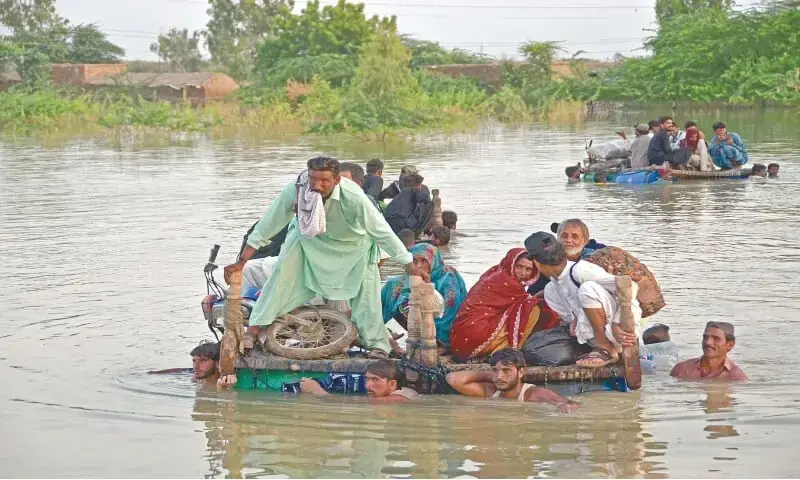
A strengthening El Niño in the Pacific could be the most intense in four decades, exacerbating heat, drought, and floods across the globe. For Pakistan, the consequences could encompass water scarcity, food insecurity, and mounting pressure on urban infrastructure and services. The recent Nepal-China floods demonstrate how swiftly climate hazards can wreak havoc on lives.
As warming continues to accelerate, Pakistan will confront multiple climate stresses simultaneously, often in areas least prepared to handle them. This necessitates a reevaluation of how the country plans for development. Pakistan must now prepare for a climate that changes faster than its institutions. Adaptation efforts must extend beyond emergency responses following floods, heatwaves, or droughts.
Development policy itself must evolve. New housing, roads, power systems, and urban drainage should be constructed to withstand more severe weather conditions. Water policy must consider unpredictable river flows and rainfall patterns. Agriculture requires crops and irrigation techniques better suited to heightened heat and water stress, along with assistance to help farmers adapt.
Cities need heat-action plans, shaded public spaces, and enhanced protection for outdoor workers. A World Bank assessment covering Pakistan and the broader MENAP region found that prolonged extreme heat is diminishing sales, labor productivity, and wages, indicating that climate damage also poses an economic competitiveness problem.
The major emitters cannot escape blame. UNEP identifies finance, equity, and global cooperation as vital elements to navigate a dangerous climate future, while emphasizing that countries with greater responsibility for global warming must act swiftly. Pakistan should advocate for this stance. However, it must also allocate development resources judiciously.
The era of treating climate disasters as isolated emergencies has come to an end, and Pakistan must plan for a harsher reality.
Written by urgent.news from Dawn - Pakistan's reporting — not their text. Machine-written — may contain errors; check the original before relying on it.