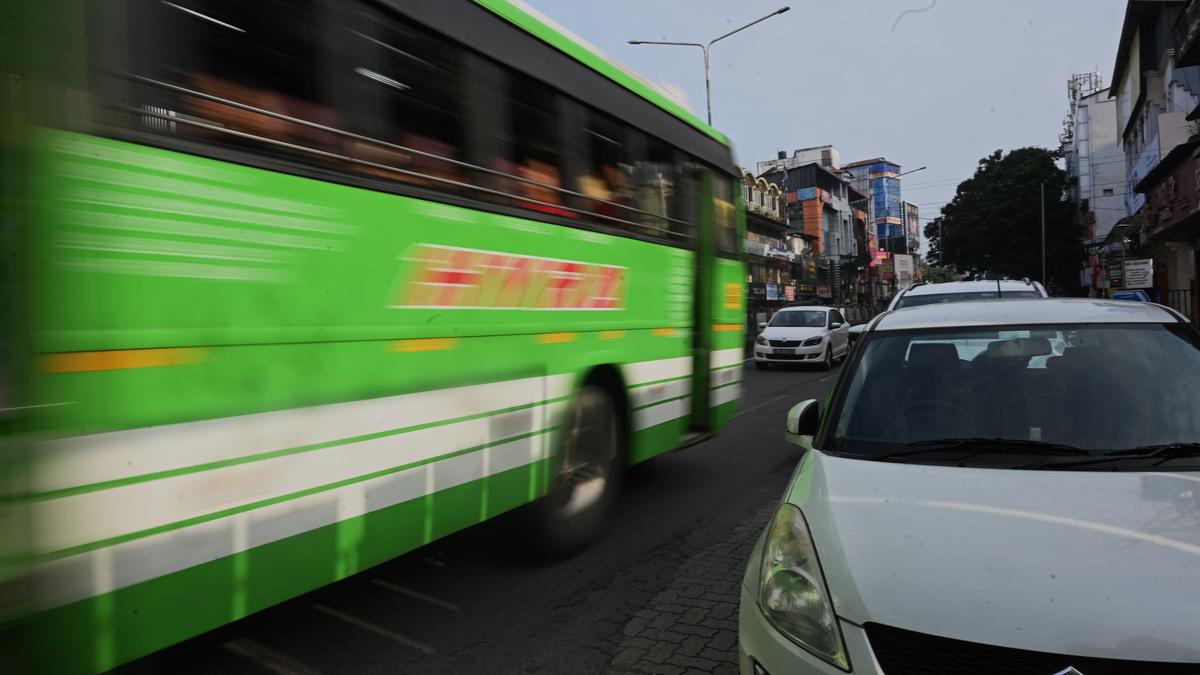
Coimbatore, an ideal choice for district cooling systems
District cooling is a centralised system that pipes cooling to buildings in a 3-km radius and is metered like power supply; if a community has a dense population within a small area, district cooling system is ideal, says Grundfos India
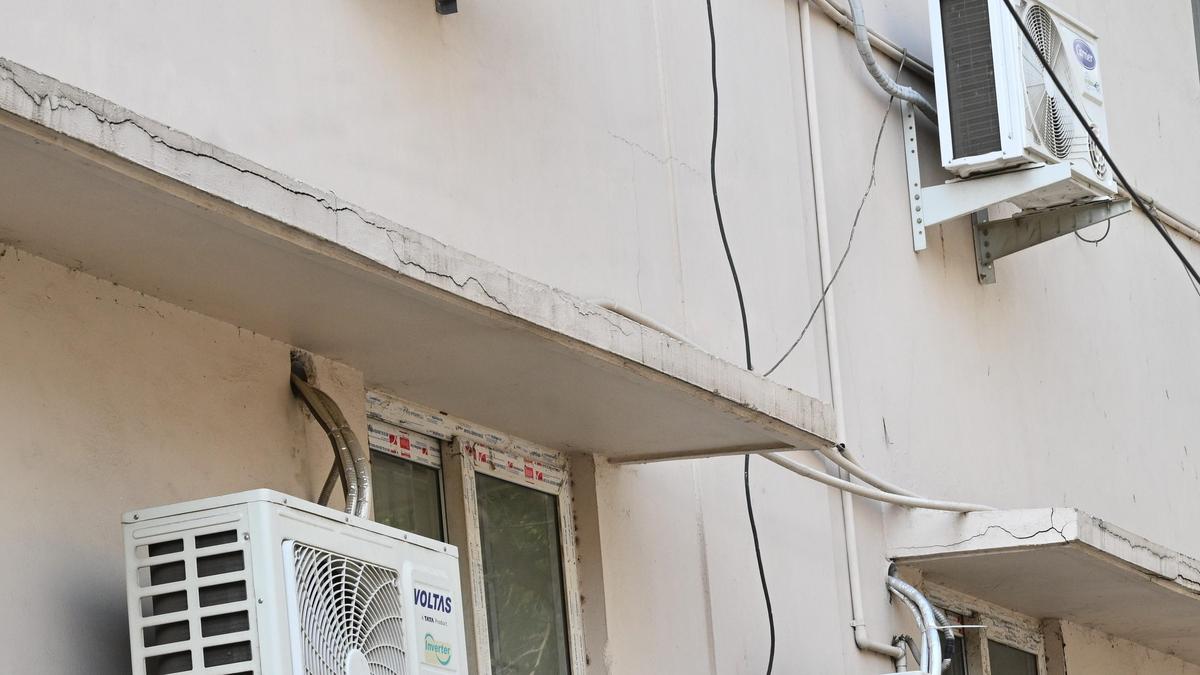
At the ISHRAE Cool Conclave held in Coimbatore, panelists discussed India's cooling future and sustainable growth. District cooling emerged as a promising solution, with stakeholders emphasizing its efficiency in providing cooling to various buildings. J. Sathish, director of Kongu Global Forum, suggested implementing district cooling in Tamil Nadu's master plans to avoid future constraints.
Ronak Monga, global sales development director for District Energy at Grundfos India, explained that district cooling involves a network of pipes within a three-kilometer radius, delivering cooling directly to buildings via meters, akin to electricity supply. This centralized system proves beneficial for densely populated areas, eliminating the need for individual buildings to invest in air conditioning units.
Monga further highlighted that district cooling can help balance peak electricity loads and reduce grid power intake during high-demand periods. Currently, 70 such plants operate in India, utilizing treated sewage as water, thereby reducing peak hour electricity consumption. Coimbatore's ideal conditions, including greenfield community development, weather, and water availability, make it a suitable choice for implementing district cooling projects.
Written by urgent.news from The Hindu's reporting — not their text. Machine-written — may contain errors; check the original before relying on it.