Beneath the surface, peat fires keep burning
KUALA LUMPUR: The flames may be gone and the smoke may have subsided, but beneath the ground, a peat fire can continue burning.
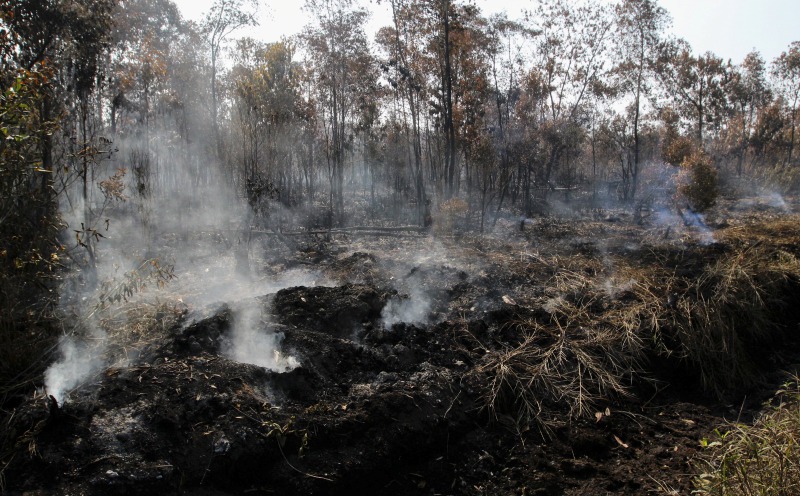
The flames may have ceased, and the smoke dissipated, yet the struggle persists beneath the surface where peat fires continue to burn. The Fire and Rescue Department in Malaysia is grappling with this persistent threat as the country braces for potentially devastating wildfires due to an ongoing hot and dry spell. Director-General Datuk Seri Nor Hisham Mohamad highlighted the complexity of controlling peat fires, as they spread underground, making them significantly harder to extinguish compared to ordinary bushfires.
The department is vigilantly monitoring 62 locations nationwide, chosen for their susceptibility to large-scale forest fires exceeding 25 hectares, alongside the 183 hotspots identified based on records from the past five years. Nor Hisham expressed concern over the potential impact of a Super El Nino expected to develop in the Pacific and peak in November, which could have severe implications for Malaysia from the third or fourth week of January onwards.
Areas like the northern and eastern coasts of Peninsular Malaysia, as well as Sabah, are particularly at risk. To bolster their efforts, the department is enhancing inter-agency cooperation and closely monitoring high-risk zones to prevent fires from escalating. Firefighters face considerable challenges when combating fires in dense forests, peatlands, and remote locations inaccessible by their standard fire engines.
They must transport portable pumps, hoses, and firefighters to these hard-to-reach areas using four-wheel-drive vehicles. Modern technology, such as drones, offers assistance to commanders by providing an aerial perspective of the fire, enabling them to gauge the fire's size, track its spread direction, and devise more effective firefighting strategies.
During major incidents, personnel and equipment can be transported swiftly between various stations, zones, and states, with additional agencies providing water sources, heavy machinery, and logistical support. Nor Hisham emphasized that prevention is equally crucial as firefighting, especially under the increasingly dry conditions.
Prolonged periods of little or no rainfall will further dry out vegetation, making it more susceptible to ignition. Strong winds can transform a small fire into a rapidly spreading blaze. The department has already observed a surge in bushfires, with the number increasing from 1,199 last year to 1,815 so far in 2023. Moreover, fires involving farms and plantations have also risen from 758 to 1,214.
Nor Hisham pointed to humans as the primary culprits, as many resort to open burning for rubbish disposal and agricultural land clearing. He strongly urged the public to refrain from engaging in such practices, warning that even a small fire can rapidly escalate into a massive inferno, engulfing bushes, forests, and grasslands.
Written by urgent.news from New Straits Times's reporting — not their text. Machine-written — may contain errors; check the original before relying on it.
This story
This is one outlet's version. Read the fullest account.
- Beneath the surface, peat fires keep burning nst.com.my