All about the counterfeit ‘Abhayrab’ rabies vaccine batch under investigation
With rabies, the margin for error is exceptionally small. A genuine, potent vaccine administered promptly can prevent a fatal disease; a counterfeit product can create the dangerous illusion that protection has been provided
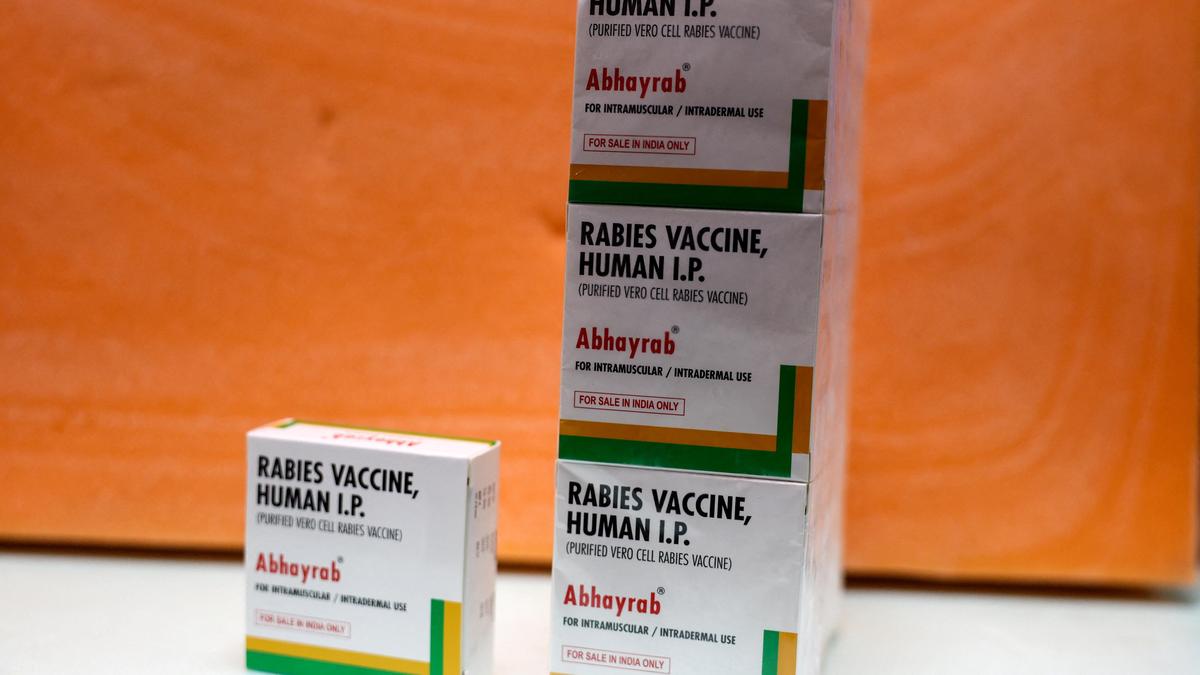
A rabies vaccine, crucial in preventing fatal infection, has failed a potency test after vials with the batch number of a genuine Abhayrab consignment were seized from an unlicensed location in Delhi, according to the Central Drugs Laboratory (CDL) in Kasauli. The seized samples, with batch number KE25012, were declared "Not of Standard Quality" and "misbranded" by the laboratory, sparking an investigation into potential counterfeit vaccine production or distribution.
Rabies is almost invariably fatal once clinical symptoms appear, making timely and quality-assured post-exposure vaccination critical to prevent complications and death. The investigation aims to determine how the questionable vials received the genuine vaccine batch's details and whether patients bitten by potentially rabid animals received a product lacking required potency.
Four individuals have been arrested in connection with the case, while Indian Immunologicals Ltd. (IIL), the manufacturer of Abhayrab, denies any involvement. IIL stated that its genuine KE25012 batch, comprising 83,370 vials, passed required testing and was released on November 7, 2025, through authorized channels. The CDL found 17 differences between the questionable vials and the genuine reference samples, including packaging, labeling, artwork, QR-code verification, cap color, and license details.
Written by urgent.news from The Hindu Health's reporting — not their text. Machine-written — may contain errors; check the original before relying on it.