AI's water use is a problem, but shifting from electricity to solar or wind power could help
It depends. Though water consumption by data centers pales in comparison to that of some other industries, it's a problem in water-stressed regions. Water-saving cooling technologies could help.
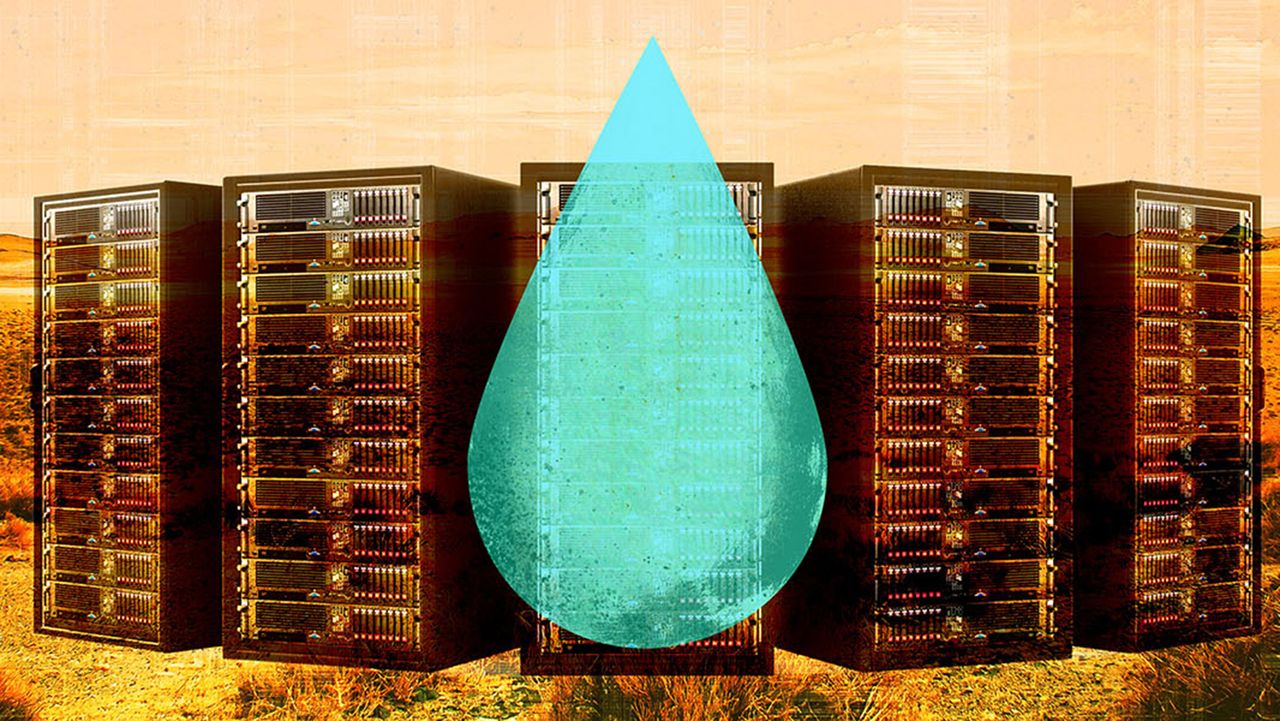
Communities in the United States are growing increasingly concerned about the rapid expansion of data centers and their impact on water resources. Many of these facilities rely on water to regulate the heat generated by powerful processors, leading to fears of potential water shortages in drought-stricken areas like New Mexico and Arizona. While data on water consumption is mixed, it is clear that data centers use a significant amount of water, though less than other industries.
Experts suggest that AI water usage can be reduced by shifting to renewable energy sources, such as solar and wind power, and by implementing more efficient cooling technologies. Liquid cooling, which directly cools processors with water in a closed-loop system, is one such advancement that can significantly decrease water consumption.
Moreover, siting data centers in areas with ample renewable energy sources and less risk of drought can also help alleviate water stress. By adopting these strategies, water usage for AI data centers could potentially decrease by up to 86 percent.
Written by urgent.news from Live Science's reporting — not their text. Machine-written — may contain errors; check the original before relying on it.