Africa’s future depends on its youth- International Youth Forum
By Rebecca Ampah Africa’s youth must take greater responsibility for shaping the continent’s economic and political future, speakers at an International Youth Forum on Debt Cancellation and Reparations in Accra have said. The forum, organised by the Pan-African Progressive Front (PPF), brought together young people from Ghana and other parts of Africa, diplomats, activists and […]
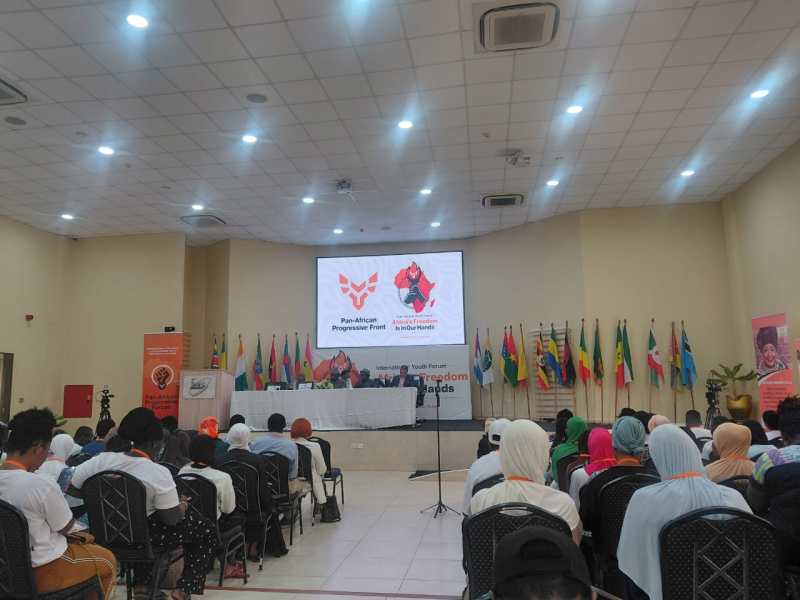
Young Africans must take charge of the continent's economic and political destiny, according to speakers at an International Youth Forum on Debt Cancellation and Reparations in Accra. The forum, organized by the Pan-African Progressive Front (PPF), gathered young people from Ghana and other African countries, diplomats, activists, and Pan-African thinkers to discuss economic sovereignty, debt cancellation, and reparations.
Held on September 5, 2026, under the theme "Reclaiming Africa’s Wealth, Resisting Neocolonial Bondage," the forum examined the connections between Africa's colonial past, current economic challenges, and calls for reparative justice.
Dr. Abu Sakara Foster, the forum's chair, encouraged Africa's youth to seize opportunities in the evolving global economic and geopolitical landscape to push for greater economic emancipation. He emphasized that while colonialism no longer exists in its traditional form, economic and political structures still hinder Africa's ability to control its resources and determine its own future.
African nations must develop mechanisms to tackle their economic, political, and social challenges rather than merely waiting for circumstances to change, according to Dr. Foster.
Speakers at the forum argued that reparations discussions should extend beyond financial compensation to address broader systems that continue to disadvantage African nations. Kwesi Pratt Jnr., the General Secretary of the Socialist Movement of Ghana, linked reparative justice to economic independence, asserting that Africa's resources, technology, trade, and financial systems should be integral to the reparations debate.
He emphasized that controlling the continent's resources, trade, technology, and key economic decisions is crucial to achieving meaningful economic sovereignty.
Cuba's Ambassador to Ghana echoed the importance of economic independence, stressing that political independence could not be complete without control over resources, trade, technology, and major economic decisions. Drawing from Cuba's experience, the ambassador highlighted education, healthcare, science, and technology as vital pillars of national sovereignty.
He urged young Africans to move beyond passive observers and become active participants in shaping their societies, highlighting challenges such as climate change, technological dependence, unequal trade, migration, resource extraction, and external interference. The ambassador stressed that the responsibility of the current generation is to make political independence meaningful by pursuing economic and technological sovereignty.
Written by urgent.news from GBC Ghana's reporting — not their text. Machine-written — may contain errors; check the original before relying on it.