100% recycled glass foam supports added lanes on Arizona's I-17
In a groundbreaking interstate expansion project in Arizona, engineers harnessed recycled glass aggregate as a revolutionary structural fill. This eco-friendly innovation not only provided lightweight support for drainage culverts but also showcased impressive compressive strength. Utilizing foam glass from recycled bottles minimized the need for expensive culvert replacements and significantly…
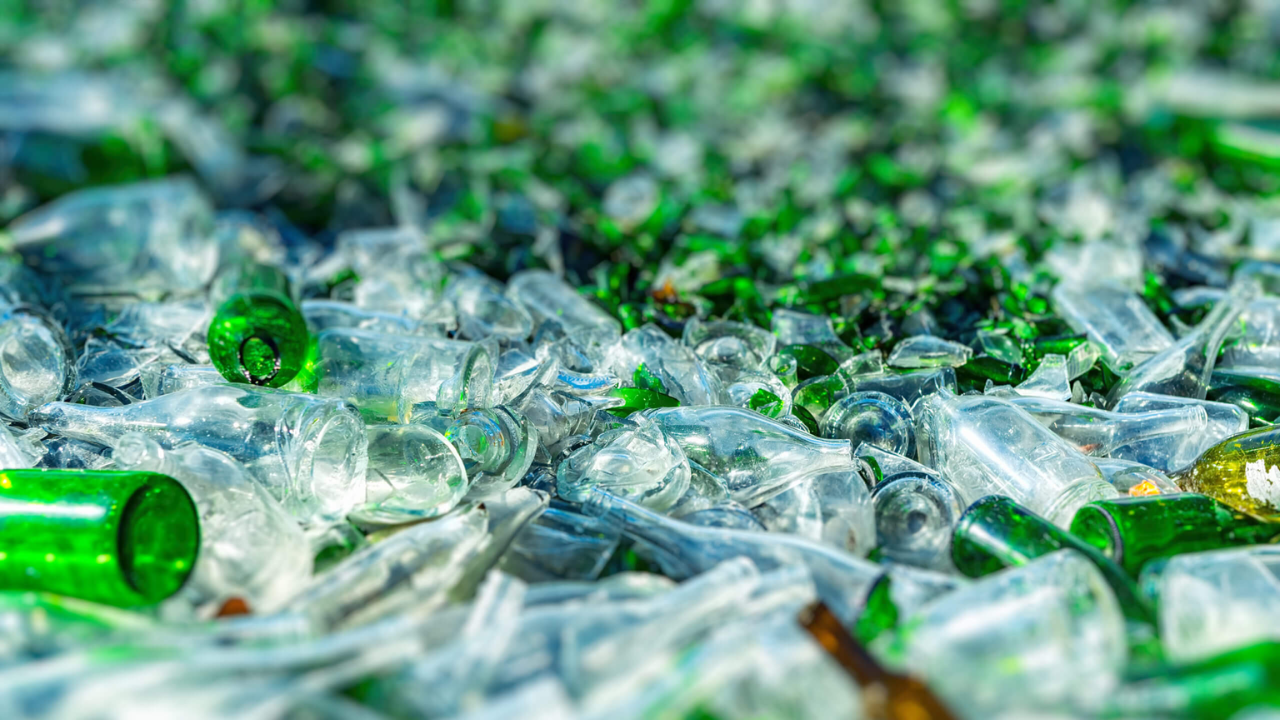
In Arizona, engineers have utilized an innovative material to widen a bustling stretch of Interstate 17, a major highway near Phoenix. During the construction of the 23-mile section between Anthem Way and Sunset Point, hundreds of thousands of tonnes of crushed recycled glass were used to create an ultra-lightweight foam glass aggregate.
This material was spread across 19 locations along the highway, providing a lightweight structural fill that enabled existing drainage culverts from the two-lane era to support additional lanes without being crushed under the extra weight.
The Arizona Department of Transportation (ADOT) chose foam glass aggregate for its high compressive strength, low weight, and environmental benefits. The material was selected to address the structural challenges posed by adding extra lanes to a busy highway corridor. Interstate 17 is one of the region's busiest routes, accommodating over a million motorists annually.
To accommodate growing traffic demand and reduce congestion, state transport authorities initiated a widening project that included adding third travel lanes and dynamic flex lanes in mountainous areas leading to Sunset Point. However, widening the highway meant enlarging underground concrete box culverts that carried stormwater underneath the road.
These culverts, originally designed for two lanes, could have been overloaded if conventional soil, stone, or heavy concrete fill was used to support the wider lanes. To avoid costly demolition and delays, engineers opted for the ultra-lightweight foam glass aggregate, which placed less weight on the underground structures compared to traditional fill materials.
The foam glass aggregate is manufactured by crushing recycled glass bottles and containers into a powder, mixing it with a foaming agent, and then heating it to create a lightweight, porous, gravel-like substance. The process results in a waterproof, non-leaching, rot-resistant, and non-flammable material that is durable enough to carry heavy loads. This innovative construction material was transported to the Arizona project in bulk bags, becoming a conspicuous sight for motorists passing the construction site.
Beyond its structural advantages, the use of foam glass aggregate also supports sustainability efforts by diverting large amounts of glass waste from landfills. While recycling glass into new bottles can be challenging due to sorting issues and mixed colors, using the material in construction provides another avenue for reusing it.
The I-17 Improvement Project, which includes the foam glass implementation, is part of a broader trend among US state transport departments seeking lightweight, durable, and environmentally responsible fill materials for soft ground, retaining walls, and bridge supports. Similar materials have been employed in European infrastructure, and their use on North American highways has grown as transport agencies consider long-term costs and environmental impacts.
The $522 million project, funded through state highway money, federal grants, and local regional transportation funding, successfully avoided costly structural modifications while ensuring the widened road's safety and stability for heavy commuter and freight traffic.
Written by urgent.news from Times of India's reporting — not their text. Machine-written — may contain errors; check the original before relying on it.