Youth Forum in Accra calls for debt cancellation, reparations and African economic independence
African Pan-African activists and speakers have called on the continent’s youth to intensify the campaign for debt cancellation, reparations, resource sovereignty and economic independence, arguing that Africa must use the current shifts in the global geopolitical order to break from systems of economic and political dependency.
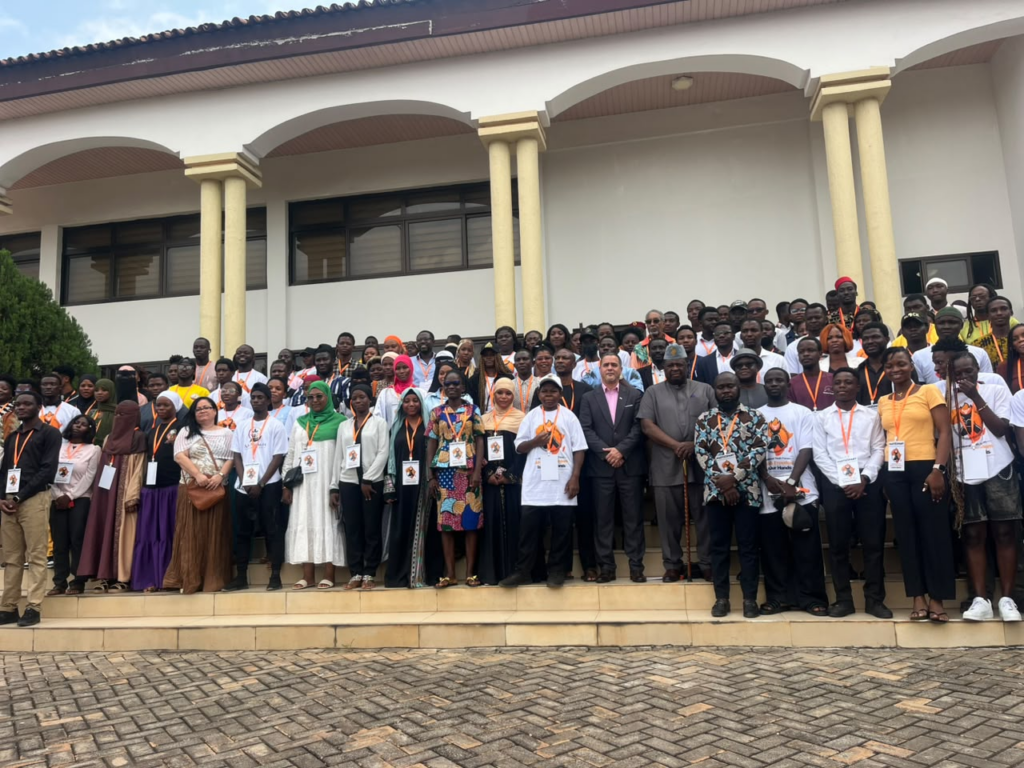
African Pan-African activists urged the continent's youth to escalate the fight for debt cancellation, reparations, resource sovereignty, and economic independence. The call came at the Youth Forum on Debt and Reparations held at the ISSER Conference Hall, University of Ghana, Legon, Accra on September 5th, under the theme "Reclaiming Africa's Wealth, Resisting Neocolonial Bondage." Prominent speakers included Dr Abu Sakara Foster, Kwesi Pratt Jnr, and Humfrey Quaye.
Dr Abu Sakara highlighted the current global economic and geopolitical disruption as a rare opportunity for Africa to challenge systems that have historically hindered its development. He emphasized that despite the physical end of slavery and colonialism, economic and political structures still limit trade opportunities and resource exploitation. He urged youth action before global instability leads to another arrangement that restricts Africa once again.
Kwesi Pratt Jnr stressed that reparations must go beyond financial compensation or symbolic gestures like returning artifacts and human remains. He advocated for resetting the global system to ensure equal treatment for all, regardless of race or location. Pratt called for African countries to take control of their natural resources, noting their finite nature and the impossibility of recovery once extracted.
He also criticized the colonial design of some African infrastructure, urging instead for networks that support domestic processing, industrialization, and economic development.
Humfrey Quaye connected Africa's debt crisis to its historical experiences of slavery, colonialism, and the extraction of resources. He emphasized that the debt crisis is not an African invention but a result of these historical injustices. Quaye outlined Pan-African Front's initiatives, including an international headquarters in Accra, networks linking progressive organizations across Africa, the Caribbean, and the Black diaspora.
He proposed mechanisms such as a Joint Institute for Damage and Documentation of the Colonial Legacy, a Reparations Justice Fund, and demands for the return of African cultural artifacts held abroad.
Quaye emphasized that the next stage of the struggle must be driven by young people, drawing parallels with the Fifth Pan-African Congress in 1945. He linked the reparations debate to current youth challenges in Africa, such as unemployment, student debt, and the influence of international financial institutions on national policies.
He called for canceling "odious debt," paying reparatory debt, and empowering youth through organizing on campuses, in communities, and on digital platforms. The speakers agreed on Africa's need to move beyond dependency and adopt a self-reliant development model based on resource ownership.
Written by urgent.news from MyJoyOnline Ghana's reporting — not their text. Machine-written — may contain errors; check the original before relying on it.
This story
This is one outlet's version. Read the fullest account.
- African youth demand debt cancellation, reparations at Accra forum thechronicle.com.gh
- Dr Abu Sakara urges African youth to seize global upheaval for economic emancipation myjoyonline.com
- Africa’s mother tongues are finding new life as youth connect with roots and relatives winnipegfreepress.com