Why Wendell Berry Didn’t Worry About the Future
His life as a writer and farmer was informed by a simple, clarifying idea: Forget tomorrow, and work toward what is good today.
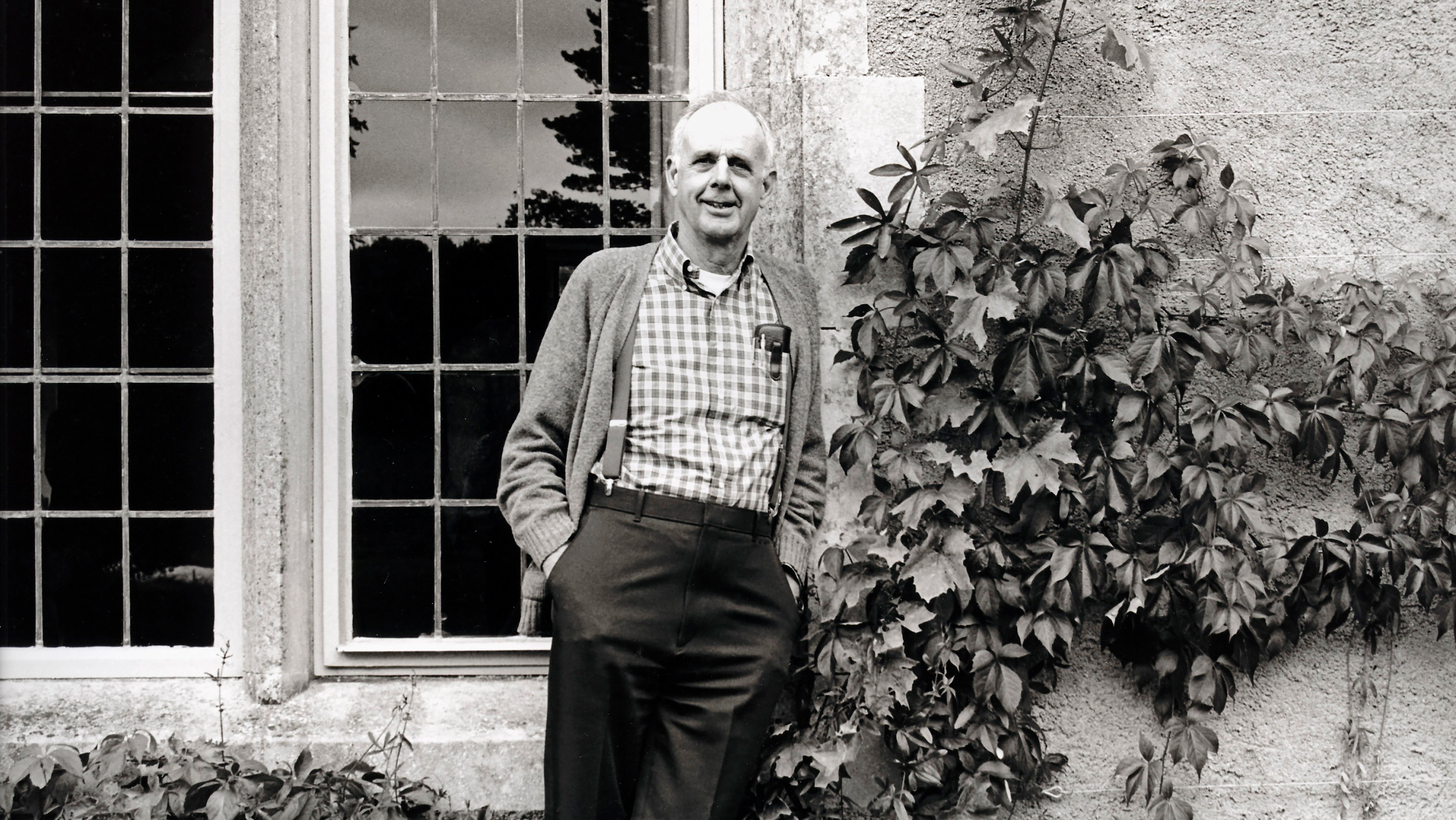
Wendell Berry was a man who did not easily allow himself to be reached. When I sought an interview for this magazine in 2015, his publicist warned me of the difficulty in contacting him. Berry did not have a cellphone, email, or computer; he wrote by hand during daylight, without electric light. He was selective about his time and often refused to meet with reporters.
Berry lived by the principle of radical abstention, emphatically saying no when necessary. His refusal to engage was a central theme in his writing and the stories that surrounded him. His home, a farmhouse in Henry County, Kentucky, was his primary focus. To reach him, the publicist made numerous phone calls to the farmhouse, where Berry and his wife had lived since the 1960s.
Eventually, they managed to connect, and he agreed to consider my article request. He asked that I write him a letter outlining the piece I had in mind, which I sent by email for his publicist to print and send by mail. Several weeks later, I received a voicemail from an unrecognized number. A deep and hoarse voice said, "Hello, Mr. Fassler, this is Wendell Berry."
He told me he was too busy to discuss the article and that he didn't know if it was due to his age or his workload. However, he had read my letter and informed me that his forthcoming book contained a section that might be adapted for the magazine. It focused on verses from Jesus's Sermon on the Mount: "Take no thought for the morrow, for the morrow shall take thought for the things of itself.
Sufficient unto the day is the evil thereof." Berry's choice to reference this Bible verse surprised me, as his writings often criticized short-term thinking and the exploitation of the land for immediate profit. However, he argued that worrying about the future was a waste of time, as most of the disasters he envisioned never materialized.
He also claimed that focusing on the future distracted people from the urgent issues of the present. Berry believed that honoring the present moment was the core purpose of his work. His writing encouraged readers to live mindfully, appreciating the food before them, the surroundings, and shared experiences with loved ones. For him, living in the present was both a joyful endeavor and a challenging task.
It required careful consideration of the things he allowed into his life—whether it was technology or requests from others—and a constant search for ways to distance himself from harmful systems. The moral goal, he argued, was to minimize harm in the present. Berry's essay "Why I Am Not Going to Buy a Computer," published in 1987, sparked astonishment and outrage from readers. In response, he wrote, "I did not say that I."
Written by urgent.news from The Atlantic's reporting — not their text. Machine-written — may contain errors; check the original before relying on it.