What’s the best way to treat heartburn? How to choose the right treatment
Over-the-counter medications can reduce symptoms in different ways. Here’s how to find the ideal one for you.
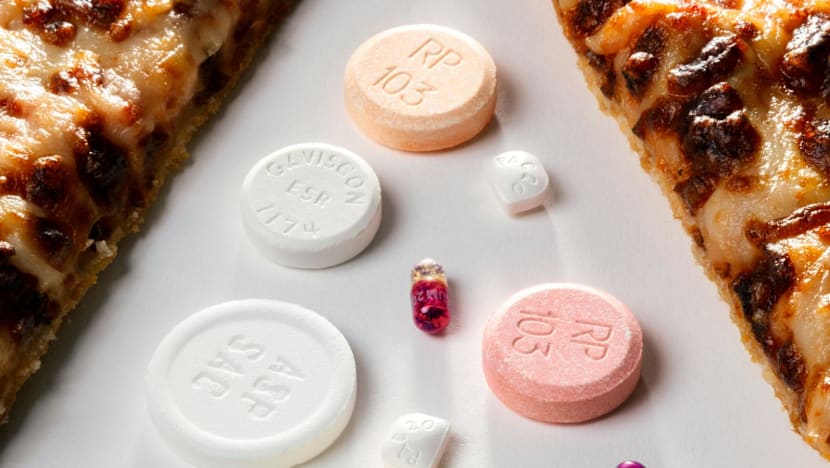
Heartburn, a burning sensation that rises from the stomach into the chest and throat, affects many people. It occurs when stomach acid flows backward into the oesophagus due to a weakened valve. Dr Byron Cryer, president of the American Gastroenterological Association, explains that certain foods, large meals, pregnancy, being overweight, and medications like GLP-1 drugs can trigger heartburn. Antacids, H2 blockers, proton pump inhibitors (PPIs), and alginate medications are among the over-the-counter treatments available.
Antacids like Tums and Rolaids work quickly by neutralising stomach acid, providing rapid relief for mild, infrequent symptoms. They are best for light chest or throat burning after consuming alcohol or other triggers. However, they don't reduce stomach acid production. For more persistent heartburn, histamine-2 receptor antagonists, or H2 blockers, and PPIs are more effective. H2 blockers work by attaching to histamine receptors, reducing acid production, while PPIs block the enzyme that secretes acid in stomach cells.
Alginate medications, derived from seaweed, form a gel-like barrier between the stomach and oesophagus, preventing acid from passing through. They are recommended for people with regurgitation, the feeling that stomach contents are rising into the throat. Most people can tolerate these medications well, but long-term use of PPIs may increase the risk of certain conditions, like Vitamin B-12 deficiency, osteoporosis, or C diff infection.
Consulting a gastroenterologist is advised if PPIs are taken for over 10 consecutive days. Heartburn accompanied by difficulty swallowing or unintended weight loss may indicate a more serious condition, such as GERD or oesophagitis, requiring different treatment. For severe cases, surgeries like fundoplication may be recommended to strengthen the barrier between the stomach and oesophagus.
Written by urgent.news from Channel News Asia's reporting — not their text. Machine-written — may contain errors; check the original before relying on it.