Wachsende Risiken: Jedes fünfte Unternehmen spürt hybride Bedrohung
Cyberangriffe, Desinformation, Spionage und Sabotage – Wirtschaftsforscher sehen wachsende Risiken, etwa für die Versorgung mit Strom und Wasser. Beim Thema Schutzmaßnahmen werden sie deutlich.
In Germany, one in five companies are reporting the impacts of what are known as hybrid threats originating from abroad, according to the German Institute of Economic Research (IW) as reported by the Deutsche Presse-Agentur. These threats include cyberattacks, disinformation, espionage, and sabotage, among others. The incidents have led some companies to strengthen their factory defenses or face operational limitations as a result.
The survey of 1,041 companies revealed that larger enterprises with more than 250 employees are particularly susceptible to hybrid threats. Industries such as information and communication, energy and water supply, and disposal face the greatest risks. Hybrid attacks are defined as a combination of military, economic, intelligence, and propaganda means, including cyberattacks and disinformation campaigns aimed at influencing public opinion, particularly during elections.
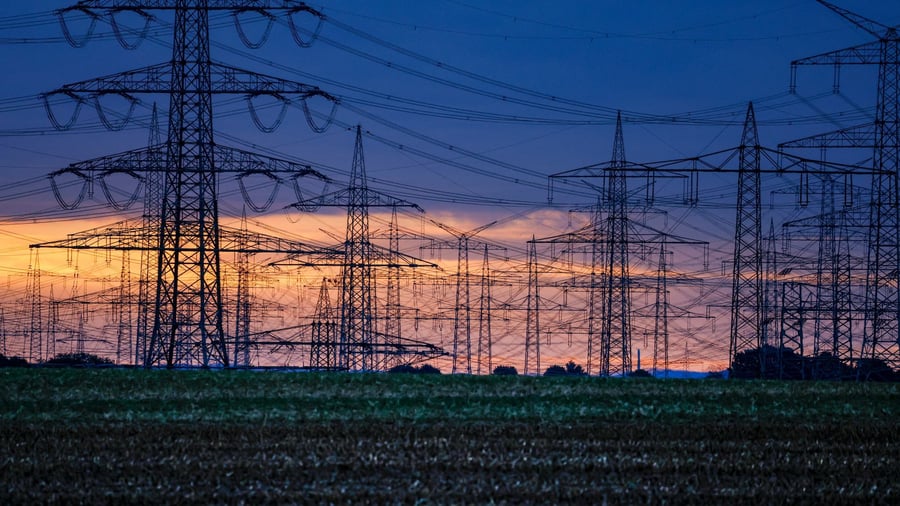
Siemens-Energy CEO Christian Bruch recently told the Deutsche Presse-Agentur that the threat landscape has significantly increased over the past 12 to 18 months. He advocates for a civilian operations plan to respond to crisis situations, aiming to protect critical infrastructure like energy and water supply, as well as food supply chains.
The IW researchers concluded that "this requires a new defensive readiness." While many companies have increased investments in IT security and digital infrastructure, few have secured their energy supply or developed emergency plans for the failure of critical infrastructure.
The lack of communication with security agencies and inconsistent regulations has been a significant issue, with the Critical Infrastructure Protection Act, which entered into force in March to improve protection, still falling short of the requirements. The IW warns that "the lack of preparation has a destabilizing effect on the functionality of the economy and society," leading to significant costs, increased uncertainty, and potential production disruptions.
Written by urgent.news from Handelsblatt's reporting — not their text. Machine-written — may contain errors; check the original before relying on it.