US-Venezuela oil deal redraws global energy power
The US-Venezuela oil agreement matters for reasons extending far beyond the 65 billion barrels covered by it. The deal could change how governments secure foreign resources, blur the boundary between state power and private business, and accelerate Venezuela’s move away from OPEC. Its structure is unusual. Venezuela has granted North American Blue Energy Partners (NABEP) 100-year rights over 17…
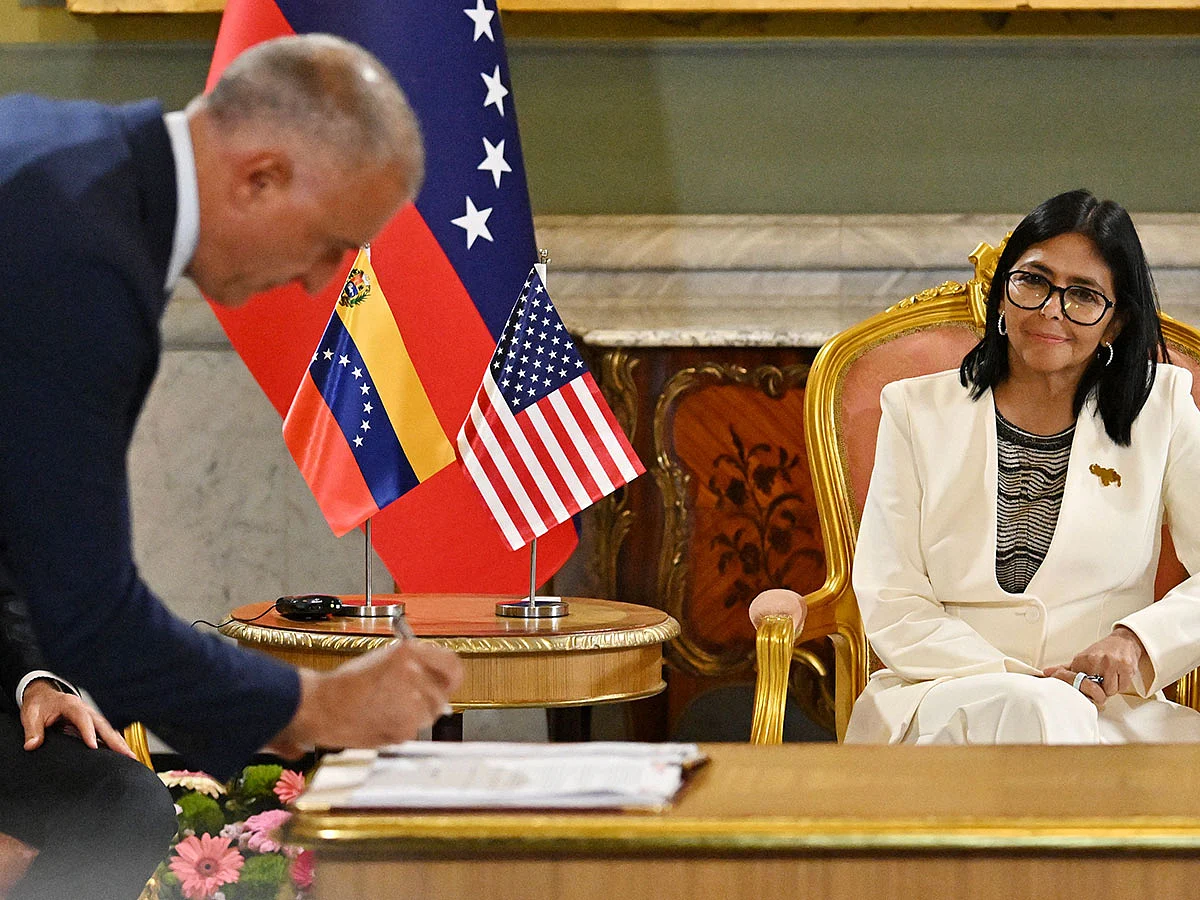
The US-Venezuelan oil deal carries implications that stretch beyond the 65 billion barrels of oil it covers. This agreement could reshape how nations secure foreign resources, blur the line between state control and private enterprise, and hasten Venezuela's departure from OPEC. Its structure is unique. Venezuela has granted North American Blue Energy Partners (NABEP) 100-year rights over 17 oilfields.
NABEP has promised to invest $100 billion in infrastructure to boost production. The Pentagon's Office of Strategic Capital will acquire a 35% stake in NABEP's parent company at no cost to the US government. The State Department can purchase 20% of production at cost and will hold first-rejection rights over the remaining shares.
Washington can veto board appointments, while most directors must be US citizens. The agreement operates under US law and is subject to US courts.
NABEP serves as the vehicle through which this deal functions. More significantly, the US government has gained ownership, purchasing rights, and corporate influence over a substantial portion of another country's key industry. President Donald Trump has touted the deal as a means to boost oil supply and subsequently lower petrol prices.
However, its most immediate advantage for Washington likely lies in energy security rather than cheaper fuel. The guaranteed purchasing rights could supply oil for the Strategic Petroleum Reserve, military use, and other sensitive applications. Venezuelan crude could also reach the US without navigating the Strait of Hormuz or the Red Sea, adding strategic value amid the Iran crisis.
This doesn't mean motorists will see immediate relief. Venezuela's production has plummeted from its peak due to sanctions, underinvestment, and domestic turmoil. Raising output requires new wells, reliable electricity, repaired pipelines, storage facilities, and functional export infrastructure. Despite Trump's claim of the "biggest oil deal in history," the benefits for consumers are unlikely to materialize quickly.
Prices may not fall quickly, as the process of refining the crude into petrol, diesel, asphalt, and other products could take years. Two years may represent rapid progress for a large-scale project, but it offers little respite to consumers currently facing higher fuel costs. The issue of sovereignty extends beyond legal ownership.
The agreement preserves Venezuela's control over its natural resources, but who influences production, purchasing, corporate appointments, and commercial terms also matters. Washington will own a part of the operating company, purchase a guaranteed share of output at cost, and have priority rights over the remainder. It will also hold veto power over board appointments.
This extensive influence over the commercial use of 65 billion barrels positions Washington with significant control over Venezuela's oil reserves. The 100-year duration of the concessions further complicates matters. These agreements will outlast today's leaders and several future governments in both countries. The strength of the legal and political foundation to withstand leadership changes remains uncertain.
Requests from US lawmakers for more information about the agreement, including the legal basis for Pentagon participation, highlight the political uncertainty surrounding it. A future Venezuelan administration might review these concessions granted by the current interim government. The geopolitical landscape adds another layer of complexity.
Governments have historically influenced energy through sanctions, diplomacy, regulation, and strategic reserves. This deal takes it a step further by making the US government a direct participant in a foreign oil company. This creates potential friction between public policy and commercial interests. Washington will continue to be the sanctions authority and a central diplomatic player in Venezuela while holding an economic interest in one producer.
Other companies may hesitate to compete with a business backed by the Pentagon and State Department. Given that Venezuela requires several investors to rebuild production at the planned scale, NABEP's $100 billion commitment is significant, but it is not yet active capital. The company will need to secure additional funds, acquire equipment, and complete projects over several years.
If this arrangement attracts wider investment, Venezuela could recover output and government revenue. However, if the preferential structure discourages rival operators, rebuilding efforts might fall short of the deal's ambitious goals. OPEC faces yet another test. Venezuela helped found OPEC in 1960 but currently produces far below its former levels.
The country is exempt from OPEC's production limits due to this decline. Venezuela may consider leaving OPEC, though no final decision has been made. An exit could have a limited immediate impact on supply but could remove the possibility of future quotas restricting Venezuela as production rebounds. This outcome would benefit both governments, allowing Venezuela to pursue maximum output while Washington maintains influence over its oil sector.
Written by urgent.news from Gulf News's reporting — not their text. Machine-written — may contain errors; check the original before relying on it.