US Embassy in Bahrain warns citizens of possible Middle East escalation
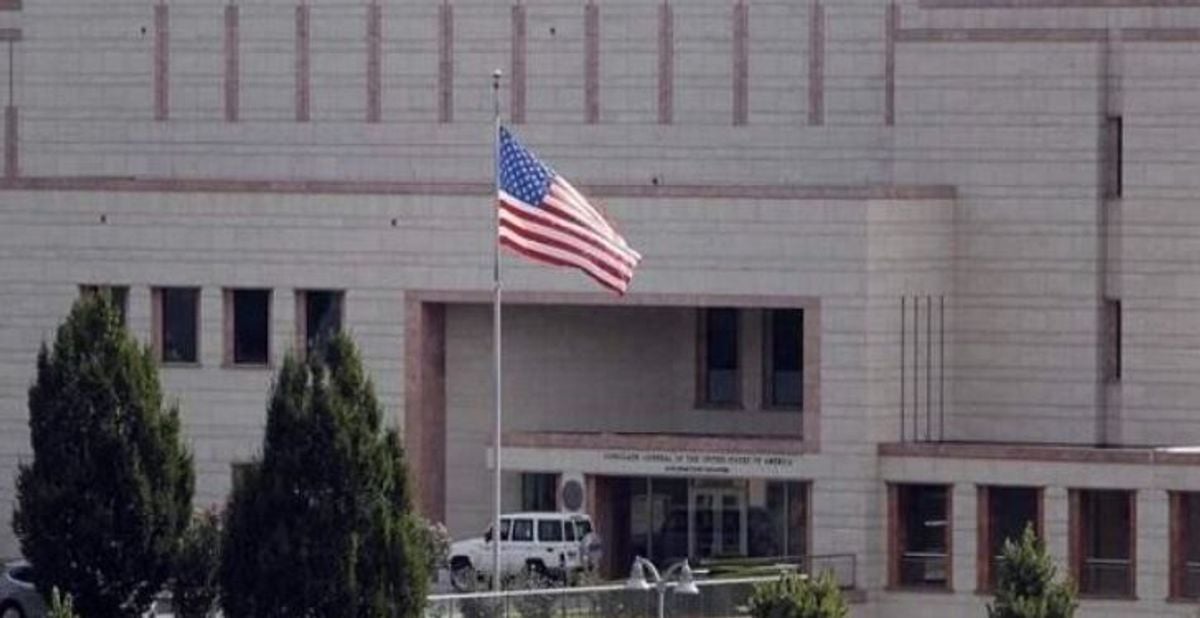
The US Embassy in Bahrain has issued a security alert, warning Americans of ongoing regional instability and the risk of unexpected escalation.
The Trump administration is considering a comprehensive plan to transform the Middle East following the Iran war, with the aim of establishing a stronger regional alliance to counter Tehran's influence, enhancing Israel's connections with Arab states, and resolving various lingering conflicts from the October 7 attacks, Axios reported.
While the precise details of the strategy remain unclear, it could become a significant component of US policy in the region during the remaining two years of President Donald Trump's term. Trump has expressed his ambitions as "much bigger" in the Middle East after the Iran war, as discussed with senior advisers during recent meetings.
The strategy could be influenced by two upcoming elections: Israel's October 27 vote and the US midterm elections in November. Some officials believe that Israel's next government will be inclined to collaborate with Washington on the broader regional agenda, even if the Israeli election results in a political deadlock. One of the primary proposals under examination involves creating a more robust regional alignment among US allies to contain Iran.
This approach would shift the focus from individual bilateral relationships with Iran to a broader, multi-partner regional structure with a security framework to limit Tehran's influence. However, it remains uncertain whether all US regional allies would agree to participate in this arrangement. Additionally, the strategy aims to address the aftermath of the October 7 attacks by advancing the next phase of Trump's Gaza plan, securing a security agreement between Israel and Syria, and implementing the existing Israel-Lebanon agreement.
By linking several unresolved regional issues, the administration hopes to create a wider framework for negotiations involving Israel and its neighbors while minimizing the risk of further conflict spreading across the region. Another key aspect of the emerging strategy is the expansion of the Abraham Accords, which have established or normalized relations between Israel and several Arab countries.
Saudi Arabia and Israel have not yet formalized diplomatic relations, although the US has pushed for a normalization agreement between the two nations. Including Riyadh in the broader regional framework would add a significant diplomatic and economic dimension to the strategy. The timing of Israel's October 27 election and the upcoming US midterm elections in November are crucial factors in Washington's planning.
The administration seeks to ensure that the new Israeli government will be cooperative in its post-war strategy, although it is also clear that Trump intends to move forward regardless of the election outcome. For now, the strategy is still in development, with the central idea being to integrate various diplomatic and security issues in the region into a unified framework.
Written by urgent.news from Live Mint's reporting — not their text. Machine-written — may contain errors; check the original before relying on it.
This story
This is one outlet's version. Read the fullest account.
- Middle East crude oil exports in August down 39 percent, TankerTrackers says middleeasteye.net
- Middle East conflict disrupts Ghana’s gold exports as first-half volumes dip adomonline.com
- Trump Planning "Something Much Bigger" For Middle East After Iran War: Report ndtv.com
- Trump plans ‘much bigger’ Middle East reset after Iran war: What’s on the table? livemint.com
- Middle East conflict disrupts Ghana’s gold exports as first-half volumes dip myjoyonline.com
- US drafting post-war plan for the Middle East, report says euronews.com
- Fuel prices to surge Sept. 8 as Middle East tensions intensify philstar.com