Ukraine war: how escalating attacks are upending lives in Kyiv
Commuters stranded; children rushed underground in the middle of the school day; festivals cancelled; walks punctuated by booming air defences. Near-constant drone attacks are the stark new reality in Kyiv, and daily life is likely to get harder. Kyiv has survived many traumas since Russia’s full-scale invasion in February 2022. Despite the initial shock of war and the advent of attack drones and…
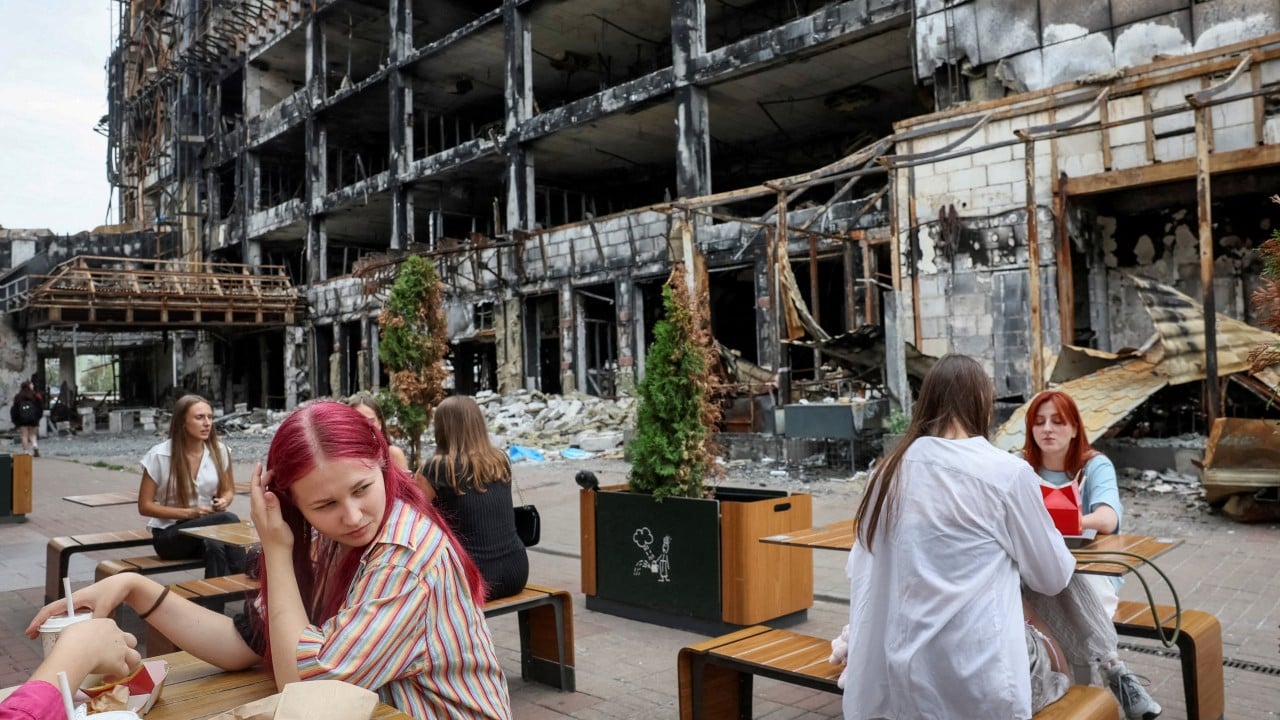
Kyiv, the capital of Ukraine, is grappling with the escalating attacks as they disrupt daily life for its residents. Commuters are stranded, children are rushed underground during school hours, and festivals have been cancelled. The city's air defenses are continuously engaged by near-constant drone attacks, which are now a stark reality for many Kyivites.
Despite adapting to previous traumas since Russia's full-scale invasion in February 2022, maintaining a semblance of normalcy is becoming increasingly challenging. The fifth winter of war is on the horizon, and the intensity of Russian attacks has intensified over the past 10 days, with air attacks occurring around-the-clock instead of mainly at night.
One such incident occurred when Vitaliia Poliakova, 35, and her partner were on their way to a bridge on the eastern bank of the Dnipro when a jet-powered drone struck the road, injuring both of them. In addition to the physical toll, the brutal winter is expected to bring further disruption. Vitaliia and her partner are considering moving away due to the increased frequency and intensity of Russian attacks.
As the air war between Russia and Ukraine escalates, both sides continue to target each other's energy and logistics facilities. The UN has verified over 16,000 civilian deaths so far, the vast majority of which have occurred in Ukraine. Although Moscow and Kyiv claim not to target civilians, dozens of civilians have died in Kyiv and the surrounding region since August 27.
Daily life is increasingly difficult, with metro services halted due to air raid alerts, roads clogged with traffic, and grocery shopping becoming more challenging as supermarkets close during air raid sirens.
The Ukrainian Food Retail Alliance's executive director, Natalia Petrivska, reassured the public that panic buying is unnecessary, but the attacks are disrupting supply chains and causing shortages of dairy items. The Kyiv International Institute of Sociology's polling in August shows that attitudes towards Russia are hardening, with the number of respondents opposing ceding the unoccupied part of the Donbas region rising to 69% from 62% in April.
Despite the challenges, education continues, with pupils at one Kyiv school adapting to the new reality of air raid sirens interrupting their classes on the first day of the new academic year.
Written by urgent.news from South China Morning Post's reporting — not their text. Machine-written — may contain errors; check the original before relying on it.