Trump pushes for birthright citizenship in US: What it means? Who are likely to be impacted?
Donald Trump's latest effort to impose new limits on automatic birthright citizenship is currently blocked by the September 2 preliminary injunction. Here's why it is important to the government.
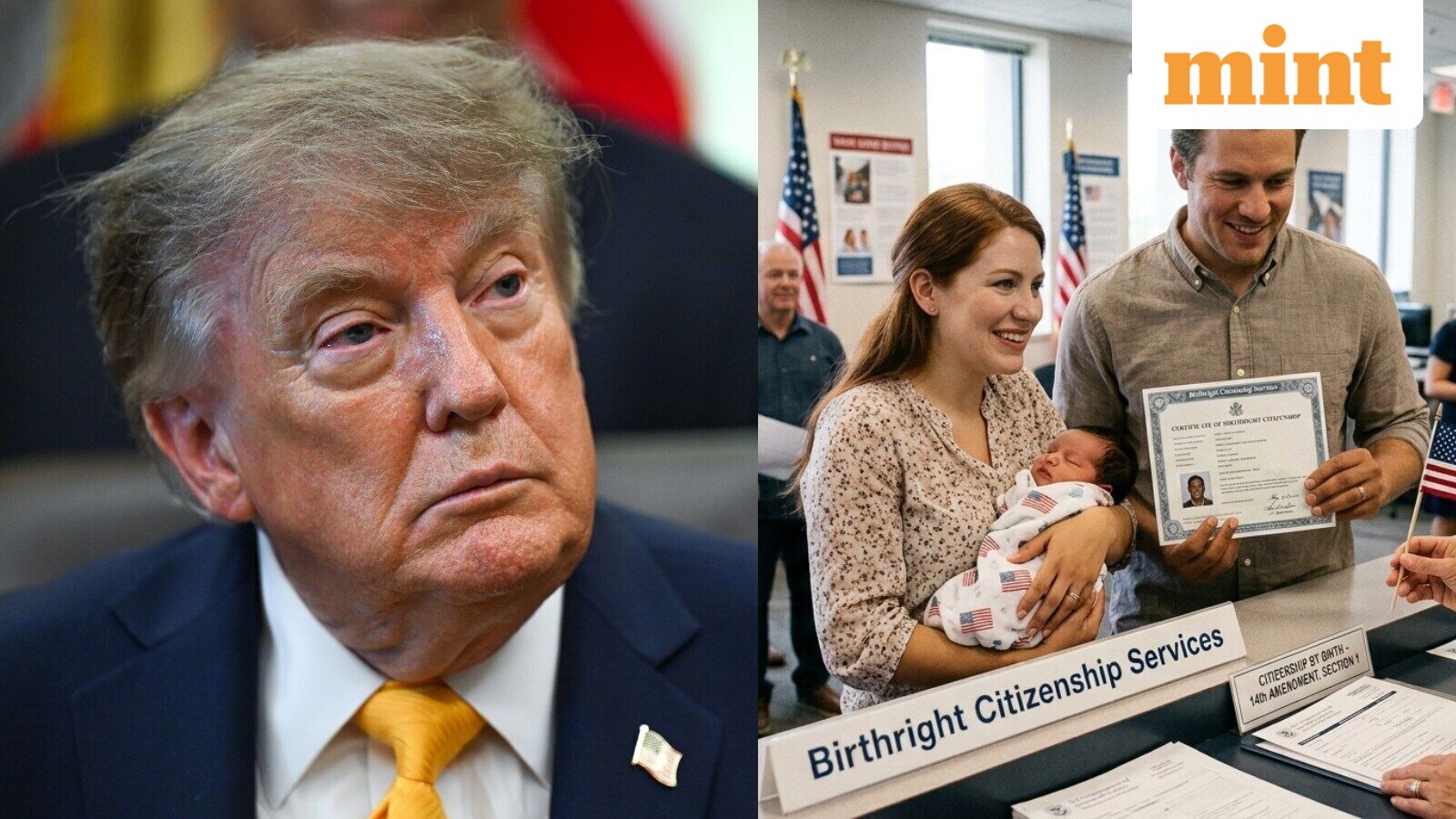
Donald Trump's administration sought to restrict the principle of birthright citizenship, which grants citizenship to anyone born in the US regardless of their parents' immigration status. This principle, rooted in the 14th Amendment, has been upheld by the US Supreme Court in the past. The administration argued that the system could be exploited through "birth tourism," where foreign nationals travel to US to give birth and obtain citizenship for their child.
In August 2026, Trump issued an executive order limiting birthright citizenship to children whose parents are not US citizens, work for foreign governments, or are classified as "alien enemies." The order also targeted children born to parents accused of fraud or commercial arrangements to obtain citizenship. However, a federal judge blocked the order in September 2026, stating that it conflicted with the 14th Amendment's Citizenship Clause.
The proposed changes would require parents to provide proof of their US citizenship or immigration status when applying for a passport for their child. This measure is expected to impact families with children born in the US whose parents are non-citizens, including immigrants on temporary visas or those with complex immigration circumstances.
Written by urgent.news from Live Mint's reporting — not their text. Machine-written — may contain errors; check the original before relying on it.