Transit push in Montreal could generate more GDP than vehicular focus: study
A new study released by the Metropolitan Community of Montreal (MMC) finds the economic benefits of public transit are far greater than personal automobiles.
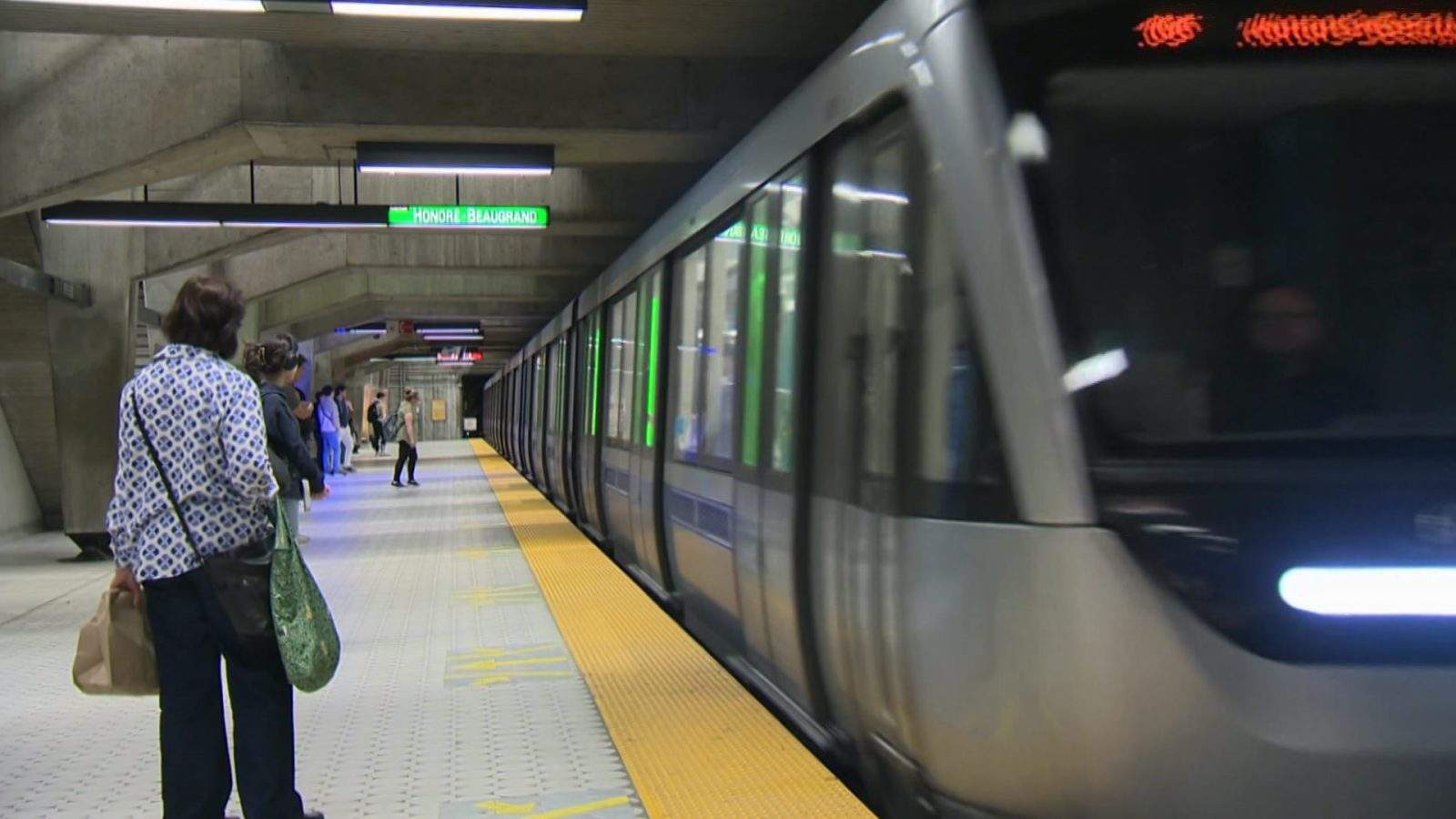
A new study released by the Metropolitan Community of Montreal (MMC) suggests that investing in public transit could generate more GDP than focusing on personal automobiles, dispelling the myth that environmental sustainability and economic growth are in opposition. Director of MMC, Marie-Michèle Cauchy, stated that public transit improves productivity, supports businesses, and increases household purchasing power, generating stronger economic returns for Quebec.
The research, conducted in partnership with Montreal's Board of Trade, emphasizes the need for public transit as a viable investment, particularly in light of the city's budget deficit and the high cost of living. In 2024, Montreal had over two million automobiles on the road, with $24 billion in annual spending by households, ranking second only to housing costs.
This high car ownership rate contributed to $6 billion in economic losses in 2023, representing 2.1 percent of the region's GDP. Public transit, on the other hand, generates over triple the GDP compared to single-vehicle use, according to the study. The public transportation sector supports 2.5 times more jobs in Quebec than equivalent auto expenditure.
Cauchy emphasized the importance of investing in public transit to reduce dependence on other economic regions, especially considering the shifting trade tensions between Canada and the U.S. Municipal officials have urged their provincial counterparts to prioritize public transit funding in elections. Transit experts argue that the funding model for public transportation needs modernization, citing congestion pricing and payroll taxes used in U.S. cities.
Montreal aims to reach a 75 percent active mode share, including cycling, walking, and public transit, by 2050. Currently, 29.1 percent of Montreal residents use public transit as their primary mode of transportation as of May 2025.
Written by urgent.news from Global News's reporting — not their text. Machine-written — may contain errors; check the original before relying on it.