Time to batten down the hatches
Economists and financiers are not the only people who suspect that bad times are in the offing. The “rules-based order” underpinned by the US is falling apart. Leer más
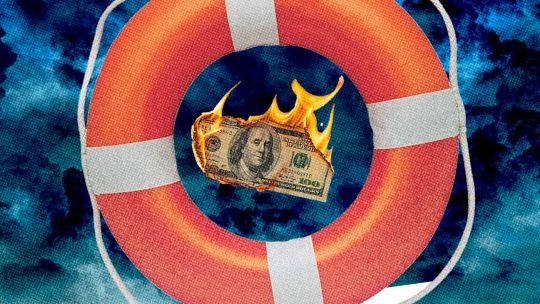
Argentina's economy, despite its shaky foundations and low productivity, may be able to weather the impending global financial storm, thanks to President Javier Milei's commitment to cutting public spending and the country's abundant natural resources. For now, the looming financial crisis appears less severe than the predicaments faced by other nations plagued by excessive debt.
Many Western powers have historically accumulated significant debt without much consequence, a lesson that history has repeated time and again. The economist Herbert Stein famously warned that "If something cannot go on forever, it will stop," a principle that seems to escape the attention of politicians worldwide.
The United States now owes a staggering $40 trillion, or 125% of its GDP, while France, the UK, and Japan carry debt levels of 117%, 95%, and nearly 250% of annual output, respectively. These mounting debts strain government budgets, leaving less for essential services like welfare and defense. As markets express concerns over the escalating debt crisis, it remains uncertain whether this is merely a temporary jitters or the start of a full-blown financial calamity.
Regardless, governments worldwide must address their spending if they hope to avoid a potentially devastating economic fallout.
While politicians often resist accepting the idea of fiscal austerity, the reality is that excessive borrowing and spending will inevitably lead to consequences. The "rules-based order" that the United States has long upheld is crumbling, as erratic leaders like Donald Trump show little interest in maintaining it without European contributions.
Meanwhile, nations like Russia and China grapple with their own challenges, including a shrinking population and the potential for military conflict. Meanwhile, the already weakened economies of Western powers cannot withstand additional strains from conflict, economic issues, or geopolitical tensions.
In Europe, France's economy mirrors Greece's situation a decade and a half ago, and anxiety over the country's fiscal future is growing. Meanwhile, artificial intelligence continues to evolve at a rapid pace, but economists are more concerned about the speculative bubble that could result from inflated investments rather than the dystopian scenarios portrayed in science fiction.
The collapse of subprime mortgage markets and Lehman Brothers in 2008 serves as a stark reminder of the potential long-lasting financial repercussions of such a bubble's burst.
Written by urgent.news from Buenos Aires Times's reporting — not their text. Machine-written — may contain errors; check the original before relying on it.