The ACT's 99-year leases are expiring — what does that mean for home owners?
The ACT is the only jurisdiction in Australia that operates under a leasehold system, meaning every home owner is actually a lessor. With the first of those leases coming up for renewal, there are questions about the leasing system's origin and ongoing relevance.
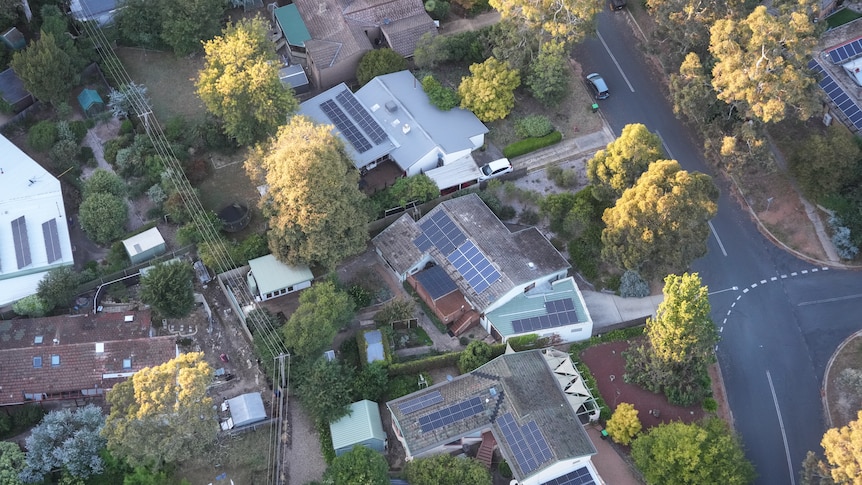
The Australian Capital Territory (ACT) has a unique system of 99-year leases for land ownership. This means that owners, whether paying off a mortgage or owning outright, are effectively lessors and must renew the lease at its expiry. The renewal process incurs a fee, and owners should be notified well ahead of time. Despite concerns, no one has ever lost their home due to failure to renew, and such occurrences are extremely unlikely in the future.
The leasehold system originated in the 19th century when land speculation was a concern, particularly in Sydney and Melbourne. The Commonwealth implemented this system to regulate development in the national capital, hoping to avoid unseemly land speculation. Today, 99-year leases apply to all private and commercial property in the ACT, contrasting with freehold systems elsewhere, which represent a closer approximation of absolute ownership.
Lease expiry dates can be found on the land title register, and property owners should retain a copy of their Crown lease upon purchase. When leases come up for renewal, the City and Environment Directorate sends reminders to property owners, offering a few years' notice to avoid any last-minute issues. Renewal involves paying an administrative fee, with residential properties costing about $540 and commercial properties around $4,800.
Financial hardship support is available for those who cannot afford the fee. While theoretically possible, the government would face significant political backlash if it refused to renew a lease, making it highly unlikely. If a lease is not renewed by the 99-year period, it can be continued on a holding-over basis, though the lessee is encouraged to apply for a further lease as soon as possible to avoid any complications.
The system's continuation in place today reflects historical considerations that remain relevant, despite the city's evolution into a self-governing location.
Written by urgent.news from ABC News AU's reporting — not their text. Machine-written — may contain errors; check the original before relying on it.