Tech CEOs want the world to embrace AI, but protestors outside their G20 gathering show the industry’s growing popularity problem
As tech CEOs championed AI inside a G20 gathering in Chapel Hill, N.C., hundreds gathered outside to protest data centers and other issues.
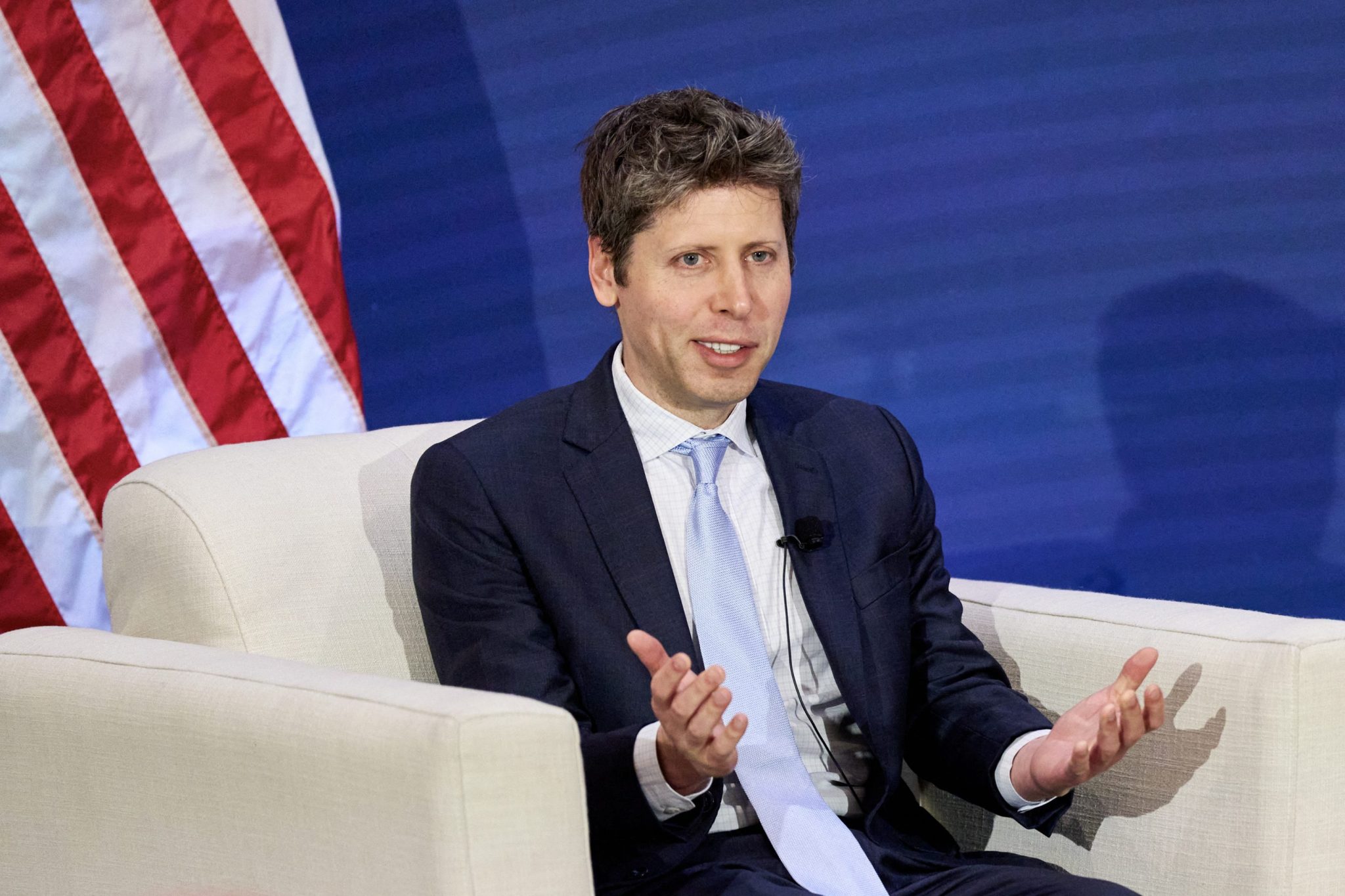
Inside the G20 event in Chapel Hill, North Carolina, tech leaders like OpenAI’s Sam Altman praised the capabilities of AI and the need to build more data centers. However, outside the event, protestors voiced their discontent with AI, data centers, and the billionaire owners. Altman, in a "fireside chat" with U.S. Commerce Secretary Howard Lutnick, called AI "incredible magic of intelligence in a bottle" while also warning that AI’s infrastructure needs would keep expanding, despite recent efficiency gains.
Nvidia CEO Jensen Huang and Palantir CEO Alex Karp shared similar positive messages. Elon Musk participated via conference call. Protesters, however, argued that AI data centers were polluting water and air in numerous communities. Another protester, Melisande Timblin, criticized the false promises of job security offered by data center developers.
While the CEOs initially expressed concerns about job displacement, they have since softened their stance, acknowledging AI's potential to create new jobs. Data centers have become the focal point of protests nationwide due to their high electricity and water demands, as well as potential pollution risks. A recent poll showed that two-thirds of Americans oppose building a data center in their local area.
The issue of data centers has emerged as a significant concern during the midterm elections. In North Carolina, where the G20 meeting took place, local governments have adopted stricter zoning rules and moratoriums on data center proposals. Despite the protests, data centers are still being built at a rapid pace, with over 3,000 projects either planned or under construction.
Some executives argue that additional infrastructure is necessary to bring more advanced AI to people, driving demand for construction jobs. However, not everyone supports AI development. Some locals, like John Montavon, a former teacher, question whether tech leaders should be in charge of determining AI's development, expressing concerns for their communities' future.
Written by urgent.news from Fortune's reporting — not their text. Machine-written — may contain errors; check the original before relying on it.