Stable oil markets, not price manipulation, is Opec priority: Al-Ghais
The Secretary General of the Organisation of the Petroleum Exporting Countries (Opec) Haitham al-Ghais has stressed that ensuring the stability and balance of global oil markets is at the forefront ...
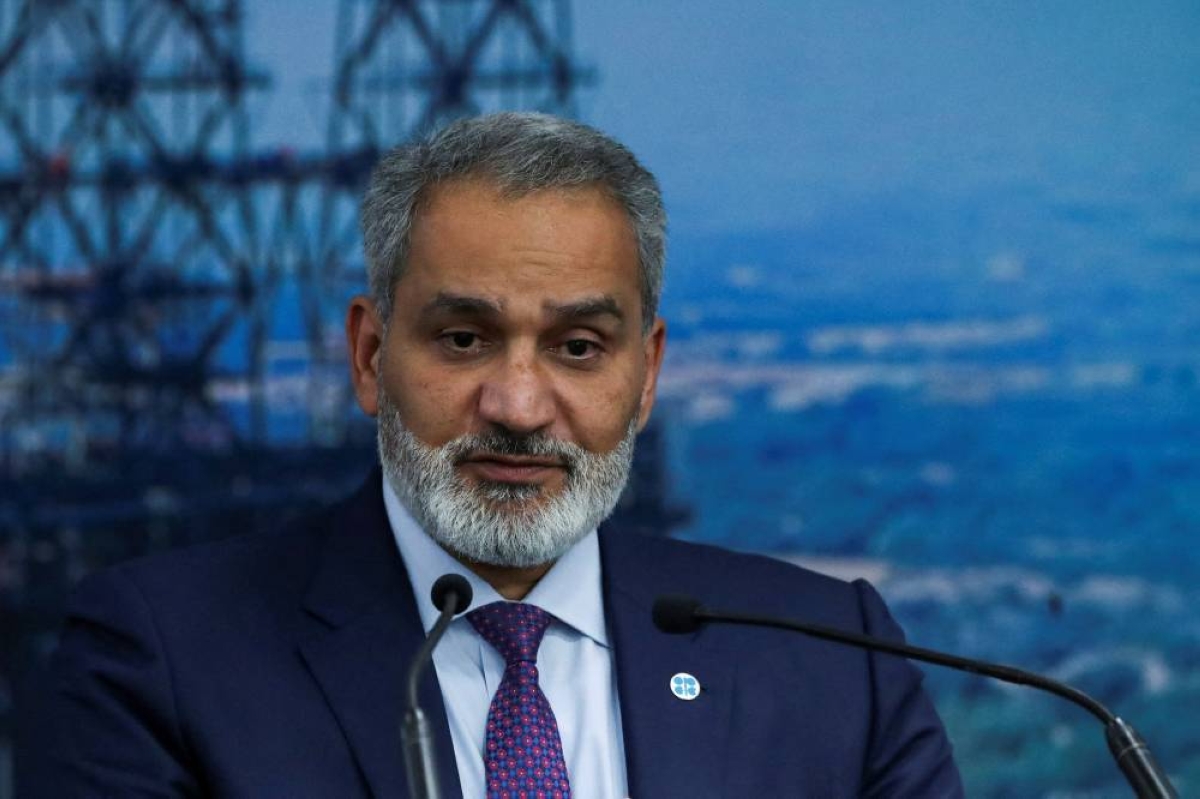
Haitham al-Ghais, Secretary General of the Organisation of the Petroleum Exporting Countries (Opec), has emphasized that Opec's primary strategic focus is on maintaining the stability and equilibrium of global oil markets, rather than manipulating oil prices. In an interview with Qatar News Agency, al-Ghais expressed confidence in Opec's policies, anticipating that future economic historians will recognize their crucial role in stabilizing energy supplies for the global economy.
He revealed that member states have sought alternative logistical solutions and routes in collaboration with regional and international partners to alleviate the consequences of supply constraints caused by geopolitical tensions in the Strait of Hormuz, ensuring a steady flow of energy to global markets. Al-Ghais noted that the recent concerns regarding the security of maritime routes in the Middle East are a temporary issue that has been addressed through proactive measures.
He highlighted Opec's resilience and reliability as a dependable source of supply, emphasizing that oil will continue to be essential for daily life, and that diplomacy will remain the most effective means of achieving long-term solutions. Al-Ghais warned about the risks of insufficient funding in the traditional sector, stating that meeting the projected growth in global demand will necessitate a total oil investment of $17.7tn by 2050.
He based this projection on the long-term outlook outlined in Opec's World Oil Outlook 2050 report, which predicts that global oil demand will increase annually to 124mn barrels per day by 2050, fueled by a projected population growth of 1.4bn, a doubling of the global economy, and ongoing urbanization. Al-Ghais introduced a new perspective on climate policies, advocating for the substitution of the term "energy transitions" with "energy additions."
He explained that in 2025, the world witnessed simultaneous record levels of consumption of coal, oil, gas, and renewable energy. Al-Ghais stressed that these energy sources complement each other rather than compete, emphasizing that the production of wind turbines, solar panels, and electrical grid components relies solely on oil derivatives and plastics.
He pointed out that 655mn people worldwide lack access to electricity, and 2bn struggle with inadequate safe cooking fuel, necessitating a comprehensive approach that includes all energy sources, technologies, and populations. Regarding the short-term market outlook, al-Ghais stated that market fundamentals remain robust, with global economic growth projected at 3% in 2026, supported by the US economy's momentum and substantial investments in artificial intelligence (AI) in Asian countries like China and India.
Al-Ghais anticipated a global oil demand growth of 600,000 barrels per day in 2026, driven by economies in Asia, Latin America, and Africa. This growth would be counterbalanced by an expected expansion in non-Opec+ oil liquids production of 600,000 barrels per day, reaching 54.8mn barrels per day, primarily led by Brazil, the US, Canada, and Argentina.
Written by urgent.news from Gulf Times Business's reporting — not their text. Machine-written — may contain errors; check the original before relying on it.
This story
This is one outlet's version. Read the fullest account.
- Stabilizing oil markets is absolute priority, not price manipulation: OPEC Secretary General thepeninsulaqatar.com
- Stabilizing oil markets is absolute priority, not price manipulation: OPEC Secretary General hellenicshippingnews.com