Rich Dad, Poor Dad author’s vast debts spark awe – and some bitterness – in China
The revelation that Rich Dad, Poor Dad author Robert Kiyosaki has amassed a staggering debt pile has sparked heated discussion in China, where property investors have suffered painful losses in recent years amid a deep market downturn. The 79-year-old Japanese-American author, who inspired generations of investors to take on leverage to scale up their investments, claimed in a series of podcast…
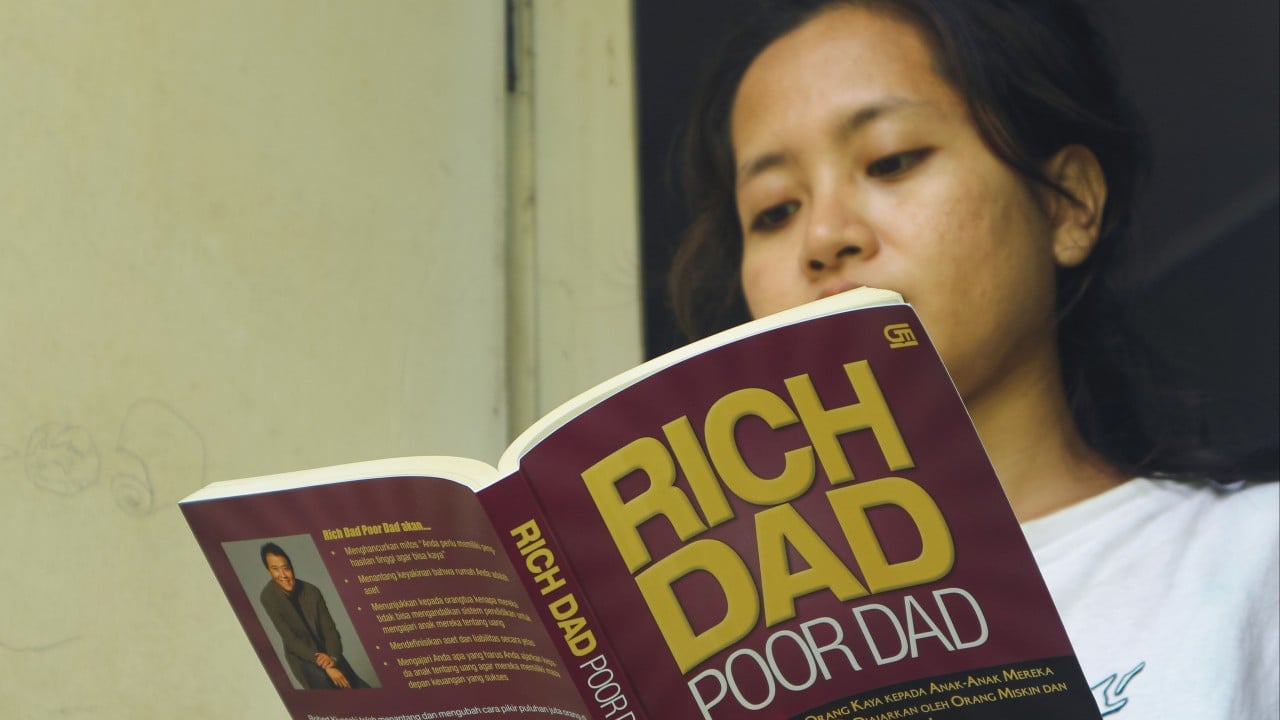
The author of the popular book "Rich Dad, Poor Dad," Robert Kiyosaki, has been revealed to have amassed a massive debt of $1.2 billion, sparking both awe and bitterness among China's property investors. Kiyosaki, a 79-year-old Japanese-American, claimed his debt covered loans related to investments in around 1,500 flats shared with business partners.
However, his ex-wife and business partner, Kim Kiyosaki, clarified that the figure included borrowings for investments, not personal liabilities. This news has generated intense discussion on Chinese social media, particularly among property investors who regret following his advice after experiencing steep housing price declines and negative equity over the past five years.
Some users expressed cynicism over the scale of Kiyosaki's liabilities, arguing that ordinary people could not secure such a massive loan, especially for property investment. Despite the cynicism, Kiyosaki's debt is a deliberate strategy, according to property consultant Yan Yuejin. He claims Kiyosaki generates an annual income of about $3 million from his investments.
Kiyosaki's debt is essentially project-level liabilities from property investments, a common strategy among large-scale US property investors. They refinance against asset appreciation to expand investments while insulating themselves from personal risks through limited liability companies. However, this strategy is now harder to replicate due to higher US interest rates and cooling rent growth.
Kiyosaki's portfolio consists of rent-generating properties with steady cash flow, and he entered the market early in the 1970s, giving him a low-cost basis for his assets. The risks tied to his debt hinge on asset-side valuations and cash flow coverage, but for now, the model remains viable as long as there are no extreme market shocks.
Kiyosaki has warned readers not to follow his example, highlighting the huge gap between his investment philosophy and real-world execution.
Written by urgent.news from South China Morning Post's reporting — not their text. Machine-written — may contain errors; check the original before relying on it.