Review | ‘The Grammar of Silence’ by R. Seshasayee is an unapologetic critique of patriarchy
The women in the novel stand out with their stories of courage and resilience
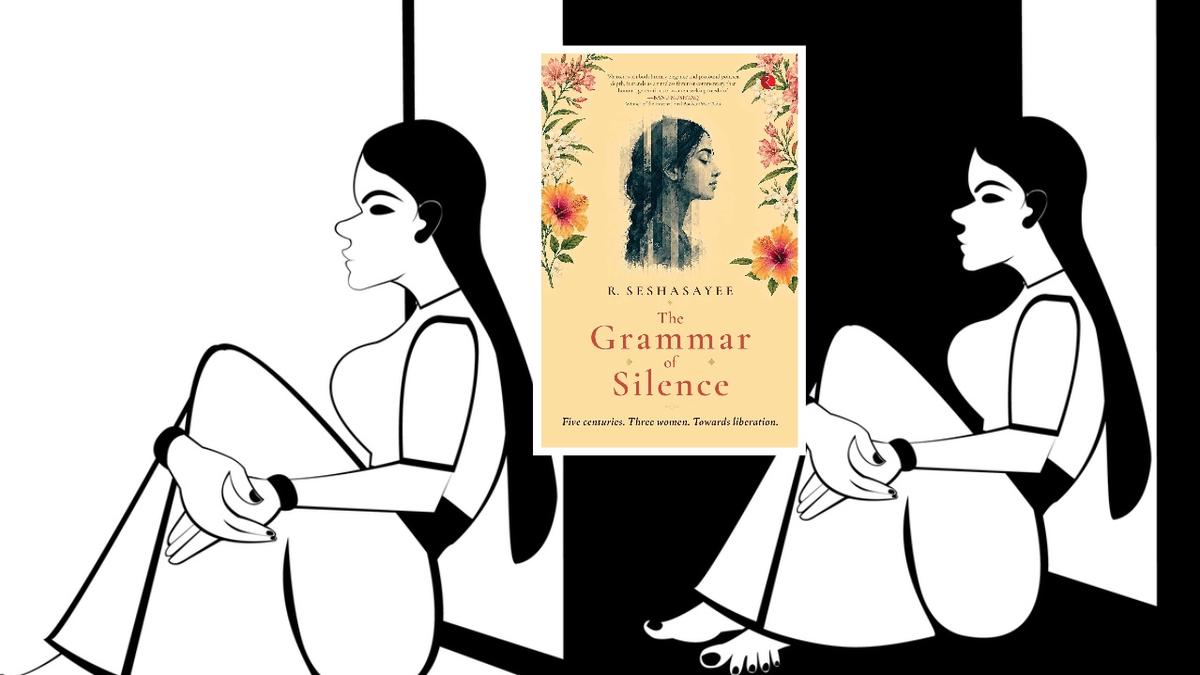
R. Seshasayee's latest novel, The Grammar of Silence, delves into the lives of Tamil women navigating various societal systems. The protagonist, Dharma, faces child marriage, abandonment, and widowhood in her Brahmin household. Desperate to escape convention, she ventures into the world of Vinodhini, a courtesan in the Thanjavur Maratha palace.
Vinodhini, a liminal figure, struggles with the shifting social order as the devadasi tradition declines. Another prominent character, Muthu, born into a lower caste, overcomes structural barriers to achieve success. These women, bound by silence and sorority, defy patriarchy through their silent defiance and unique journeys. The novel critiques the exploitation of women, addressing issues such as child marriage, widowhood, and the stigma surrounding devadasis.
Despite its depth and attention to historical detail, the book's pacing may feel uneven, particularly during its lengthy early sections.
Written by urgent.news from The Hindu's reporting — not their text. Machine-written — may contain errors; check the original before relying on it.