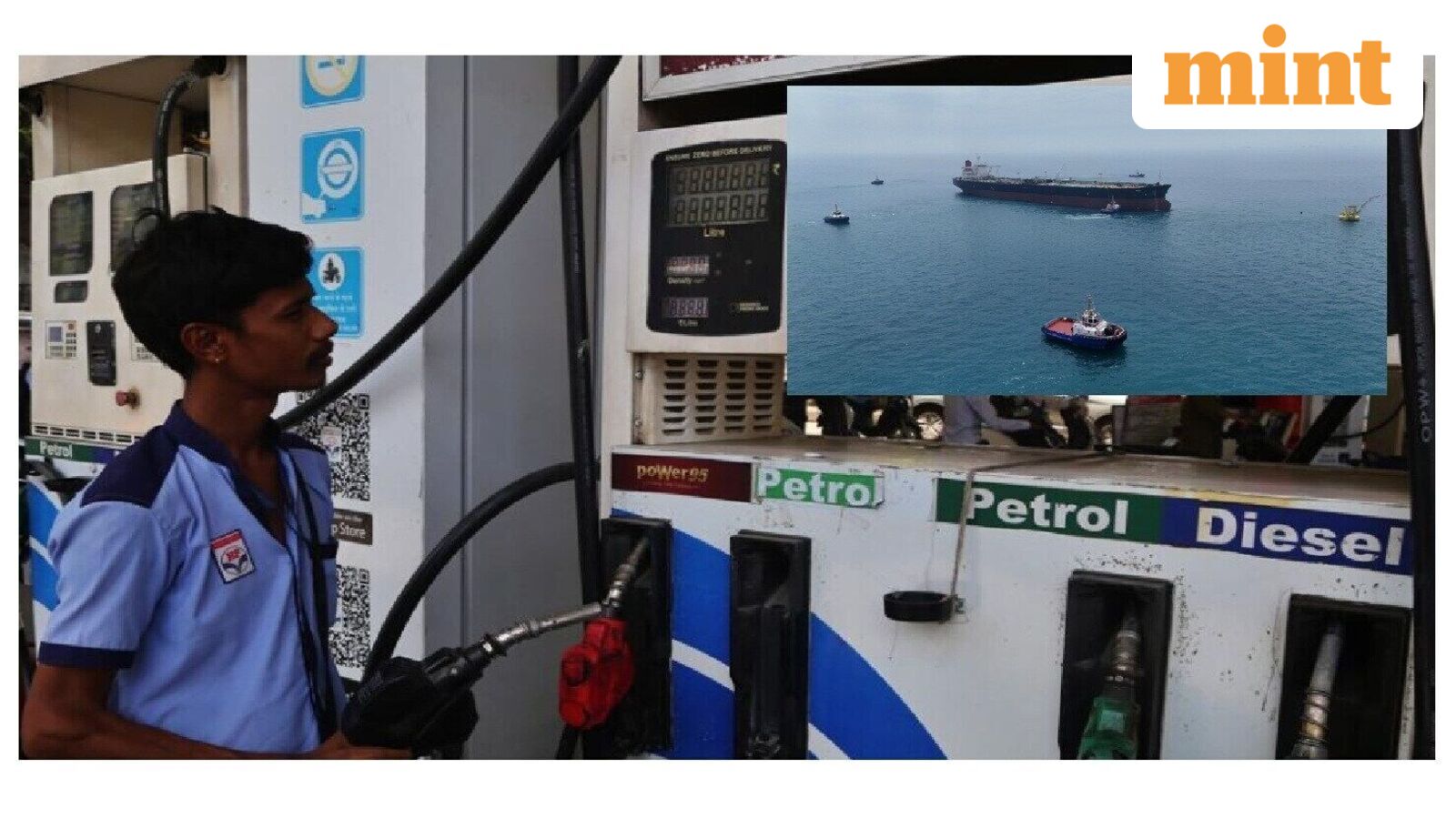
Oil slides, heads for weekly gain
HOUSTON: Oil prices slid on Friday but were on course to gain more than 6 percent for the week after the United States and Iran resumed military exchanges in the seventh month of their conflict, while US diesel prices hit a record high. Brent crude futures were down 23 cents or 0.24 percent at USD 95.29 a barrel by 10:38 a.m. CDT (1538 GMT), and West Texas Intermediate crude futures down 54…
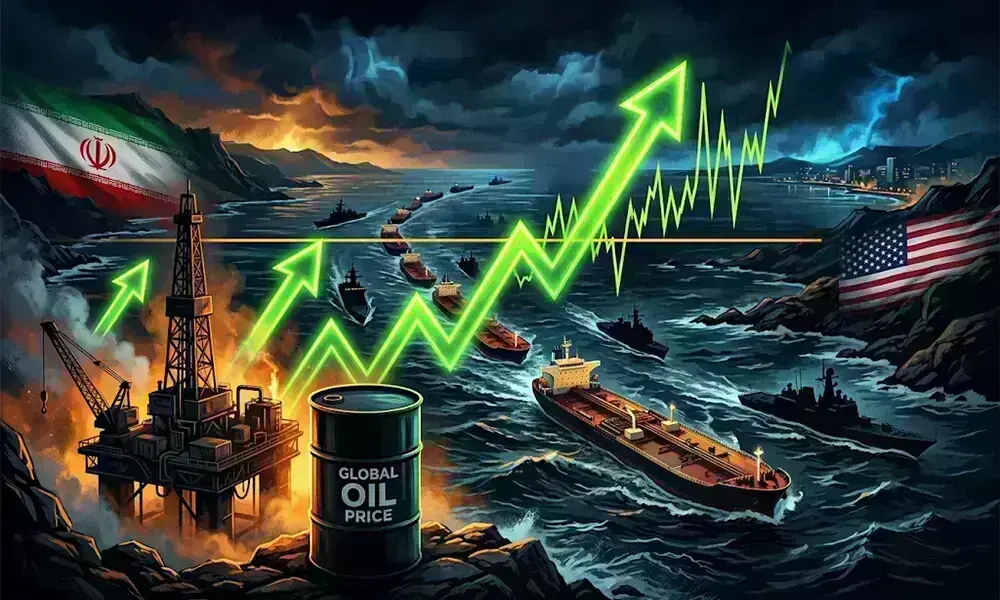
Oil prices experienced a decline on Friday, but analysts anticipate a week-over-week increase of more than 6%. This development followed the resumption of military exchanges between the United States and Iran, as the two nations continue their conflict in its seventh month. At the same time, US diesel prices reached a record high.
Brent crude futures dropped by 23 cents, or 0.24%, to $95.29 a barrel, while West Texas Intermediate crude futures fell by 54 cents, or 0.59%, to $90.76. Brent crude futures are up 6.1% for the week, and West Texas Intermediate crude futures gained 8.3%.
The surge in oil prices, coupled with a significant rise in fuel prices, has contributed to a global spike in inflation and government borrowing costs. This economic turbulence has raised concerns about the possibility of the global economy facing a severe downturn. Claudio Galimberti, the chief economist at Rystad Energy, explained that the increased diesel prices have affected all sectors of the economy, leading to higher government bond yields due to expectations of ongoing inflation.
Average US diesel prices reached record levels, as ongoing tensions between the US and Iran, along with Ukrainian attacks on Russian refineries, have caused supply disruptions. Analysts note that a risk premium tends to appear in the market during such volatile periods. The US government reported that Middle Eastern oil flows have returned to near-normal levels recently; however, some analysts and tanker trackers suggest that flows remain disrupted.
Norbert Rucker, head of economics and next generation research at Julius Baer, stated that the ongoing conflict and its recurring hostilities are regularly triggering a risk premium in oil prices. So far, there is no evidence that the escalation this week significantly impacted oil exports from the Middle East or tightened the oil market. The current rally in oil prices appears to be driven by mood and fear rather than a substantial increase in exports.
Tensions between the US and Iran escalated recently, with the US launching attacks that resulted in casualties and injuries to both military personnel and civilians. Israeli Defence Minister Israel Katz warned that Israel would "cripple" Iran's military and civilian infrastructure, including energy facilities, if Tehran strikes the US. Meanwhile, a US campaign aimed at choking Iran's economy by blocking its oil exports and preventing sanctions evasion is proving increasingly challenging to manage.
Oil flows through the Strait of Hormuz decreased to four vessels on Thursday, far below the 10-day average of around 15, as preliminary shipping data indicated. Iraq's oil exports in August surged to approximately 2.34 million barrels per day, up from about 1.35 million bpd in July, according to two Iraqi energy officials. Citigroup and ANZ analysts have adjusted their forecasts, raising their average Brent crude price expectations for the third quarter to $86 a barrel and $95 a barrel, respectively, with upside potential if the Middle East conflict escalates further.
Written by urgent.news from Business Recorder's reporting — not their text. Machine-written — may contain errors; check the original before relying on it.