Nilgiris tea production hit by severe drought, El Nino conditions; green leaf supply drops sharply
Severe drought conditions in Nilgiris have drastically reduced green tea leaf supply. Tea factories are experiencing significant revenue losses and production declines. Small farmers face immense hardship due to crop failure and inadequate prices. Rainfall deficits have caused a substantial drop in tea productivity across the region. Government assistance is urgently needed for affected tea…
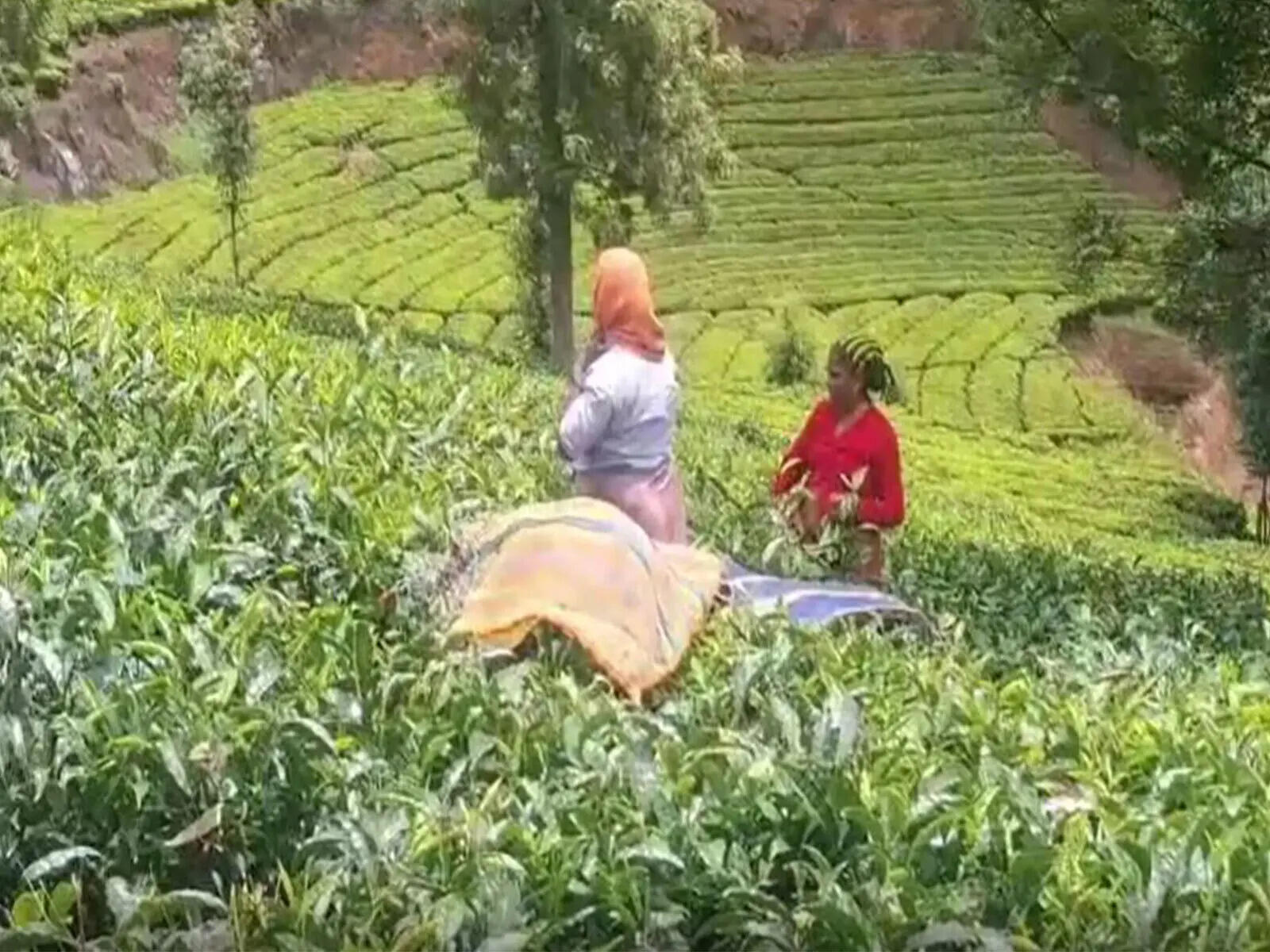
In the Nilgiris, an area famed for its tea production, a severe drought and drought-like conditions linked to El Nino have caused a significant drop in the supply of green tea leaves. This development is causing major concerns over the impact on tea production and the livelihoods of farmers and workers in the region. The Nilgiris, often called the Queen of Hills, depends heavily on tea farming, with more than 65,000 small and marginal farmers involved in cultivating tea across vast areas. The situation worsened this year as the Southwest Monsoon failed due to El Nino's effects.
The second season, marked by the blooming of tea flowers, has also begun but has been marred by prolonged dry spells. Normally, tea shoots in the region should flourish during this period, but the dry conditions have led to the withering of tender tea shoots. As a result, the supply of green tea leaves to tea factories in Ooty, Coonoor, Kotagiri, and Manjoor has dropped drastically, with factory output plummeting from an average of 4,000 kg per day to just 600 kg.
The production of tea powder in the district has also been hit hard with factories that once generated revenue of up to Rs 4 lakh now facing a 20% loss. According to a study by the UPASI Tea Research Institute, rainfall in the Nilgiris has dropped by 31% over the past five years, with average rainfall declining from 173.3 cm in 2021 to 119.4 cm in 2025. Consequently, tea productivity has declined by 11.8%, from 2,315 kg per hectare in 2023 to 2,042 kg per hectare in 2025.
The current rainfall situation is even more dire with the Nilgiris receiving only 283 mm of rainfall this year, a 55% deficit. This has led to a steep drop in tea production, with overall production falling by 10-20%, and experts warning that it could drop by up to 50% if the trend continues. Tea factories, unable to meet daily expectations of 4,000 to 8,000 kg of green leaves, are now receiving only 600 to 800 kg per day.
Tea prices may increase and exports could decline, impacting both the Nilgiris district and the country's economy. Around 70% of the Nilgiris population depends on agriculture for their livelihoods, making this situation particularly dire. Scientists attribute the worsening situation to the timing and frequency of rainfall, and the rising temperatures in the region.
Written by urgent.news from The Economic Times - Economy's reporting — not their text. Machine-written — may contain errors; check the original before relying on it.