Malaysia may see 230 million tonnes of plastic waste by 2040, with 23 million entering waterways yearly, says ministry
KUALA NERUS, Sept 5 — An estimated 230 million metric tonnes of plastic waste are projected to pollute Malaysia&rs...
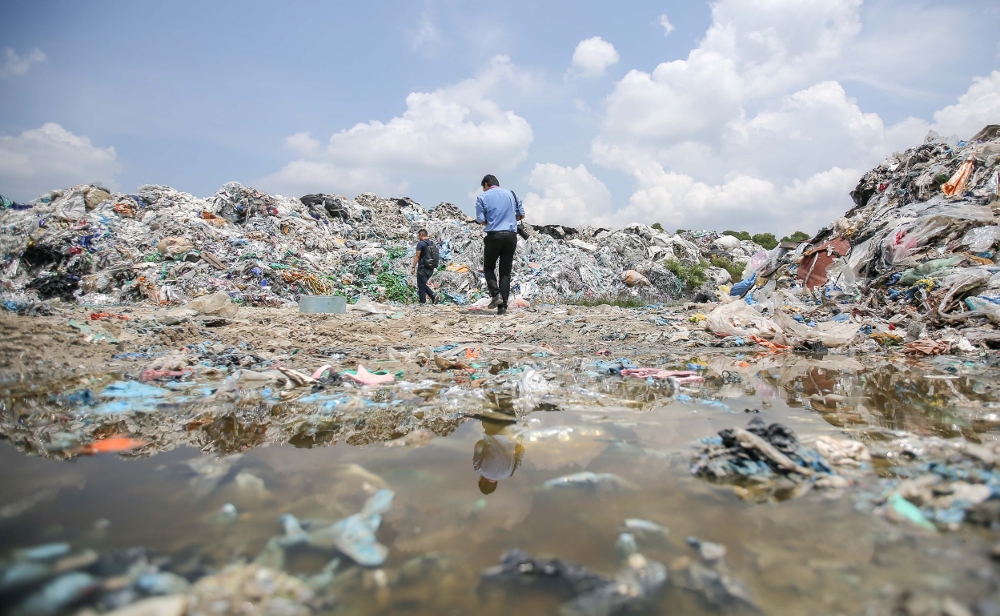
By 2040, Malaysia is projected to have 230 million metric tonnes of plastic waste contaminating its land and water, according to the Ministry of Natural Resources and Environmental Sustainability. Each year, approximately 23 million tonnes of this plastic waste enters waterways, posing a serious threat to marine life. To combat this growing issue, NRES has devised several strategies.
These include implementing a uniform monitoring framework through coastal clean-up programs, systematic data collection and monitoring. Reliable data will not only aid in evidence-based policy formulation, but also fulfill international obligations under SDG 14, which focuses on preserving marine life. Deputy secretary-general of Environmental Sustainability, Datuk Nor Yahati Awang, emphasized the importance of beach clean-ups, systematic data collection, and monitoring during the closing ceremony of the 2026 National Citizen Science Programme, which took place at Tanjung Gelam Beach.
NRES deputy secretary of Natural Resource Management Division, Azrina Mohd Said, also attended the event. The approach recommended by The Coordinating Body on the Seas of East Asia emphasizes the integration of beach cleanup activities with scientific monitoring, uniform waste classification, quality data collection, and trend analysis over time.
This is crucial to protect marine ecosystems and resources for future generations. In a recent cleanup, over 100 participants managed to collect 165 kilogrammes of waste in less than two hours. This event, led by Universiti Malaysia Terengganu and the Geng Plastik Ija association, aimed to collect and sort waste such as plastics, packaging materials, and fishing gear, which can harm coastal ecosystems.
The data collected during the cleanup will assist researchers in identifying the types, volumes, and distribution of waste along the coastline. This information serves as a valuable resource for future studies, monitoring efforts, and environmental management planning. The cleanup took place in Kampung Tanjung Gelam, which was selected due to its status as a recreational area and a vital coastal ecosystem that requires ongoing monitoring and care.
Written by urgent.news from Malay Mail's reporting — not their text. Machine-written — may contain errors; check the original before relying on it.
This story
This is one outlet's version. Read the fullest account.